

 dyton mupawaenda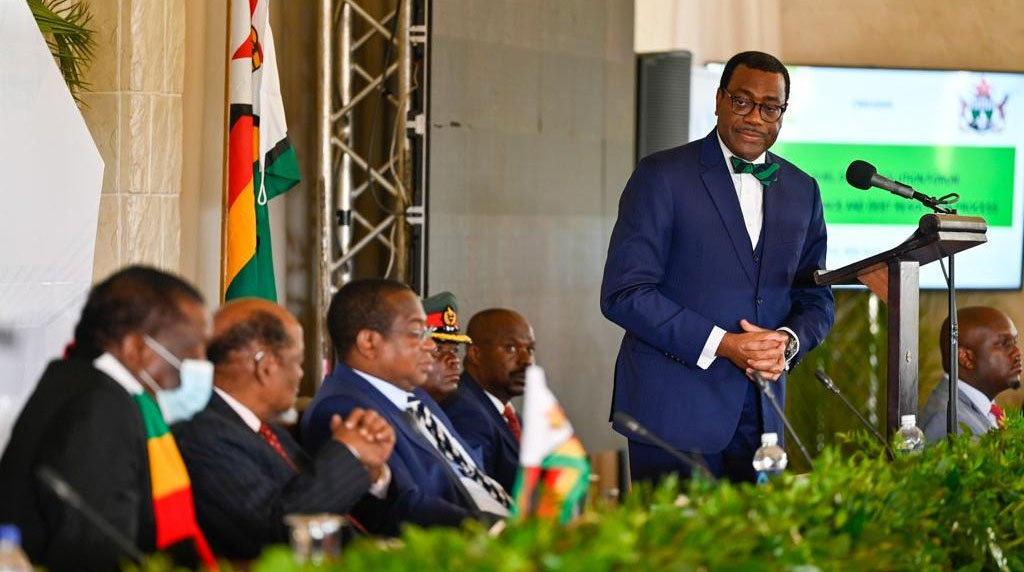
A whole lot of processes are coming together as Zimbabwe seeks to gain access to the low-interest, long-term development funding that helps developing countries accelerate their infrastructure development, which then allows their private sectors in agriculture, mining and manufacturing to grow faster, employ more people and so create several times the new wealth needed to service the loans.
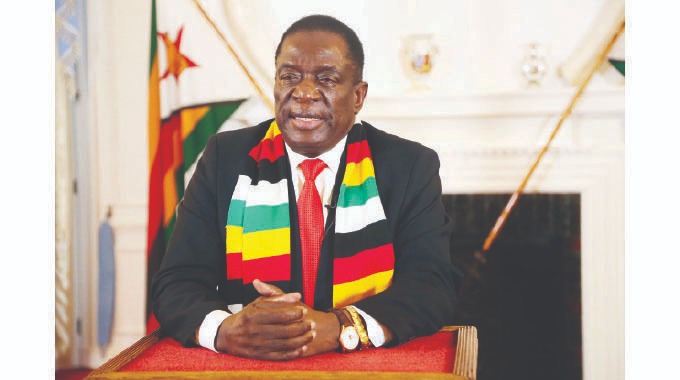
The fourth High-Level Debt Resolution Forum opened in Harare yesterday, and President Mnangagwa did the opening personally, to show the high-powered technical delegations now working through the processes just how high a priority Zimbabwe places on sorting out the debt resolution and regaining access to the multinational development finance.
The forum that opened yesterday is just one facet of what is possible and needed as the technical details start to be made ever more precise so that everyone can then see how workable they are and what still must be done.
But it is apparent from what is now being talked about that significant progress has been made, and the discussion is centring on how the process will be managed, who will do the auditing and the like rather than on whether it is a good idea. The idea is accepted.
It has become ever more apparent that this process is also part of the engagement and re-engagement drive of the Second Republic.
We need to be more engaged to persuade some countries to agree, or at least be prepared to abstain, when firm proposals are on the table. So diplomacy fits into the process.
In a sense the erosion of sanctions, and in many ways the process is one of erosion rather than a sudden lifting of everything done at the beginning of the century, is needed for the debt resolution process just as much as it is needed for other financial benefits.
The two run in tandem and considering some of the sanctions policies have to run in tandem.
At the same time no one is going to look very hard at how to help us sort out a large, but not the largest, chunk of our economy unless we have shown that we have grown up, know what we are doing and can provide the discipline and reform needed.
It is oversimplifying, but it is useful to think in some ways that what we need to be doing is creating and following a payment plan, and that means that those to whom we owe money like to know that the Government budget, the taxing and borrowing, and the spending and repayment show signs of strong discipline.
The Second Republic has been doing this for almost five years now, consistently and openly and has been quite prepared to let outsiders see what is going on and to check the facts and figures.
This has built up the Government’s reputation as being able to walk the talk. This is why people are now willing to start and continue talking.
At the same time the agreement made with the former commercial farmers and other measures taken to ensure investors so receive the standard protection offered around the world, show we are willing to enforce natural justice.
In fact the farmer payments probably need some multinational financing, and that now makes sense since the large number of farmers who took the land in their smaller farms are now already producing tobacco, maize and wheat crops that are larger than what came out of the large estates.
We have also engaged two effective and independent outsiders to join the process and in some respects take the lead in bringing Zimbabwe and our creditors and others together.
African Development Bank president Dr Akinwumi Adesina and former Mozambican President Joaquim Chissano agreed to assist. Both have strong reputations and neither would have been prepared to take on the role without reckoning that there were good chances of success, from both the Zimbabwean side and the international side.
President Chissano has long retired from Mozambican politics, but we need to remember that he was the Mozambican President who had to pick up the pieces after a major internal conflict and then set Mozambique on a sustainable path of rapid growth.
He did this successfully so can be exceptionally useful in especially the diplomatic processes.
Dr Adesina runs the multinational development bank for Africa. This has funding from outside Africa as well as inside, and while he does not need to tread a tightrope, he does need to make sure that his administration and recommendations are rational, reasonable and can be implemented.
The bank he runs has rules and these are not much different from those of the World Bank and the International Monetary Fund.
He has made it clear that we moving towards the stages where we need to reinforce the successes of Zimbabwe’s economic reforms, rather than create them from scratch.
It might be part of his job to promote development and growth across Africa, but his involvement with Zimbabwean matters means he is convinced Zimbabwe now has a good case for the standard debt resolution mechanisms.
President Mnangagwa stressed yesterday that the basics were largely in place: fiscal discipline so that every dollar of taxes is properly spent; investment opened up and welcomed; a decent programme of economic growth that is seeing the Zimbabwean economy sustainably growing every year with everyone being included in the creation and use of that extra wealth and determined efforts to get the monetary policy right, with all the loophole plugged.
Debt resolution could involve forgiveness of debts, but Zimbabwe is unlikely to be poor enough to benefit much, if at all, from this.
Where we probably need to go is to reschedule debts that are in arrears, that payment plan, so we are no longer listed as owing money.
That opens doors to practical access of funding for specified lending, in our case almost certainly for infrastructure development where income accrues so we can service the borrowing.
It appears to have been accepted all around that Zimbabwe will, as is the case with other countries in similar positions, be working with the IMF in what is termed a staff-monitored programme. This means that everyone sticks to the agreements.
The whole process is now moving forward in practical fashion, far beyond the talk or wishing stage towards the set of agreements that we need to speed up our growth, and that growth is already there so the agreements are an accelerator, not a creator.


 Online Reporter