Online Reporter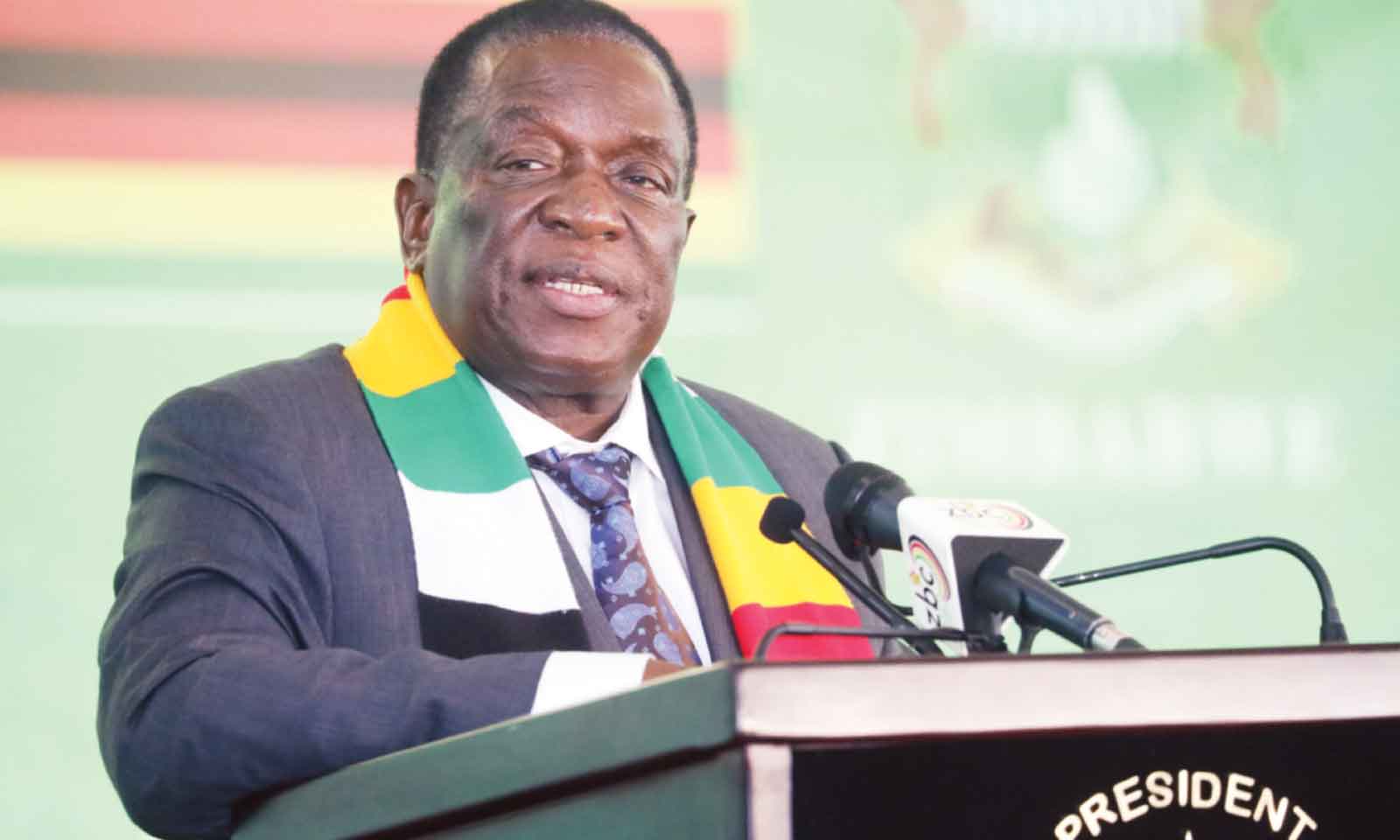
PEOPLE tend to think of small developing countries as inefficient at best with far more serious problems at worst, and this is increasingly becoming an unfair reflection of a wide swathe of states.
Zimbabwe is among the leaders in changing its image from making do with antiquated administration and long queues when anyone needs to deal with the authorities as they navigate a labyrinth of rules of regulations, some of which were introduced many years ago to deal with what the British South Africa Company was facing.
The advent of the Second Republic started off with the proposition that second best, let alone the lower grades, were simply not acceptable just because Zimbabwe was small, landlocked and needing a lot of economic growth before its people were able to live decent lives.
And under President Mnangagwa this attitude, the best might just do, has been pushed hard.
So we have already seen a lot of those weird, disconnected rules and regulations dumped and where we do need to protect consumers and businesses from the hawks out there, then the rules should be consolidated into something easy to understand and fitting into the third decade of the 21st century, rather than something just added to bit by bit over 100 years.
We still need to make progress there, but we are already on the right path and everyone, inside and outside the country, knows this.
Instead of bashing their heads against brick walls they come up with ideas.
Our tax systems have been dramatically overhauled.
Those huge turgid presses of bodies in the Zimra banking halls around the day when most taxes fell due simply disappeared.
Zimra created a large data-base system, that lays out what each taxpayer must pay and even in many cases does the calculation and then the taxpayer just sends in the money with an electronic transfer.
No one likes paying taxes, but when they are fairly assessed and easy to pay it does ease the pain. The large Zimra headquarters is now largely an advice and complaints unit, where people can go when they need to know something and get help promptly.
One of the most spectacular changes in our Government, efficiency is something that you only notice when you want a passport or want to pass through an immigration point.
The queues have gone. Passports are issued in a couple of hours, so long as you read the instructions and have all the bits of required paperwork.
Even more remarkable, when we consider the numbers involved, like hundreds of thousands of people within two weeks during the festive season, is the changeover at the border posts.
A Zimbabwean passport holder, having followed instructions and made sure they have any customs declarations needed, can be processed in 60 seconds, and since they are physically present as they want to move in or out of the country, it would be impossible to cut that.
Foreign visitors take a bit longer, but not that much longer so long as they have any advance visa they might need, and we are trying to cut the number of countries needing these rather than just picking up their visa as they are waved politely through the immigration post.
This is important. We are trying to attract new buyers for our exports and new investors for major industries, and by showing the person, from their very first contact with Zimbabwean officials, that we know what we are doing is obviously a very good first step.
There were still queues at Beitbridge, mind you, over Christmas: but that was because the Zimbabweans were clearing people going south faster than the South Africans could cope.
That perhaps is the largest public-relations change in the past eight years, when the Zimbabweans are winning the accolades for being efficient.
What Zimbabwe is achieving is that it is a “can do” country, one that is continually looking at sorting out past problems and building up its efficiency across all sectors and especially the public sector since that is the sector everyone has to deal with. We have dropped that “take it or leave it” attitude.
The Government wants to be known as an honest and efficient driver of development and the private sector is now very much keener on realising that Zimbabweans have choices, and that they will deal with those who meet their requirements the best.
All this is producing a very much go ahead country, and since we have that vision of reaching upper middle income status in just under five years, we need to have these attitudes.
It cannot just happen and no one person or one agency or even the entire Government can drive us there.
It needs all of us to start living in the efficient way we want before we reach the status, so that all we then need is the economic growth to back our self-confidence.