admin
admin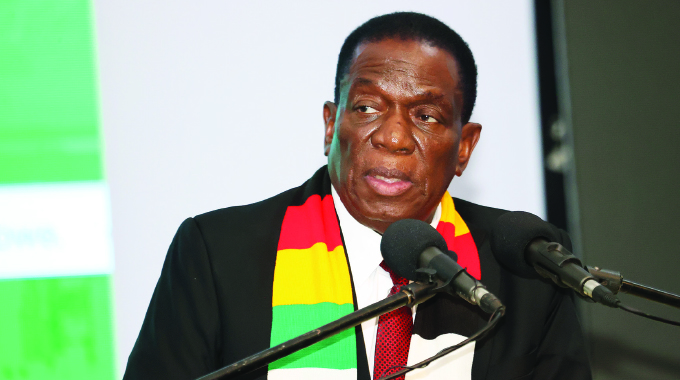
ZIMBABWE has a lot of young people who are prepared to work hard and, thanks to the education and training they have received, are able to make sure that hard work is productive and efficient.
What is largely missing for most of them is that access to finance and equipment that this productive and efficient hard work requires. Most come from fairly poor families and even with the considerable and successful backing given by Government through programmes such as Pfumvudza/Intwasa, these families do not have the sort of spare cash that would be useful to launch the next generation on its way.
So the Government, with President Mnangagwa personally in the driving seat, has been pushing hard in the last few years to turn talk into action when it comes to empowering those youths who show the necessary skills and work habits.
First came the Presidential Youth Empowerment Revolving Fund, with seed capital of US$2 million, two weeks ago, with a similar US$5 million fund for youths in mining in the advanced planning stages.
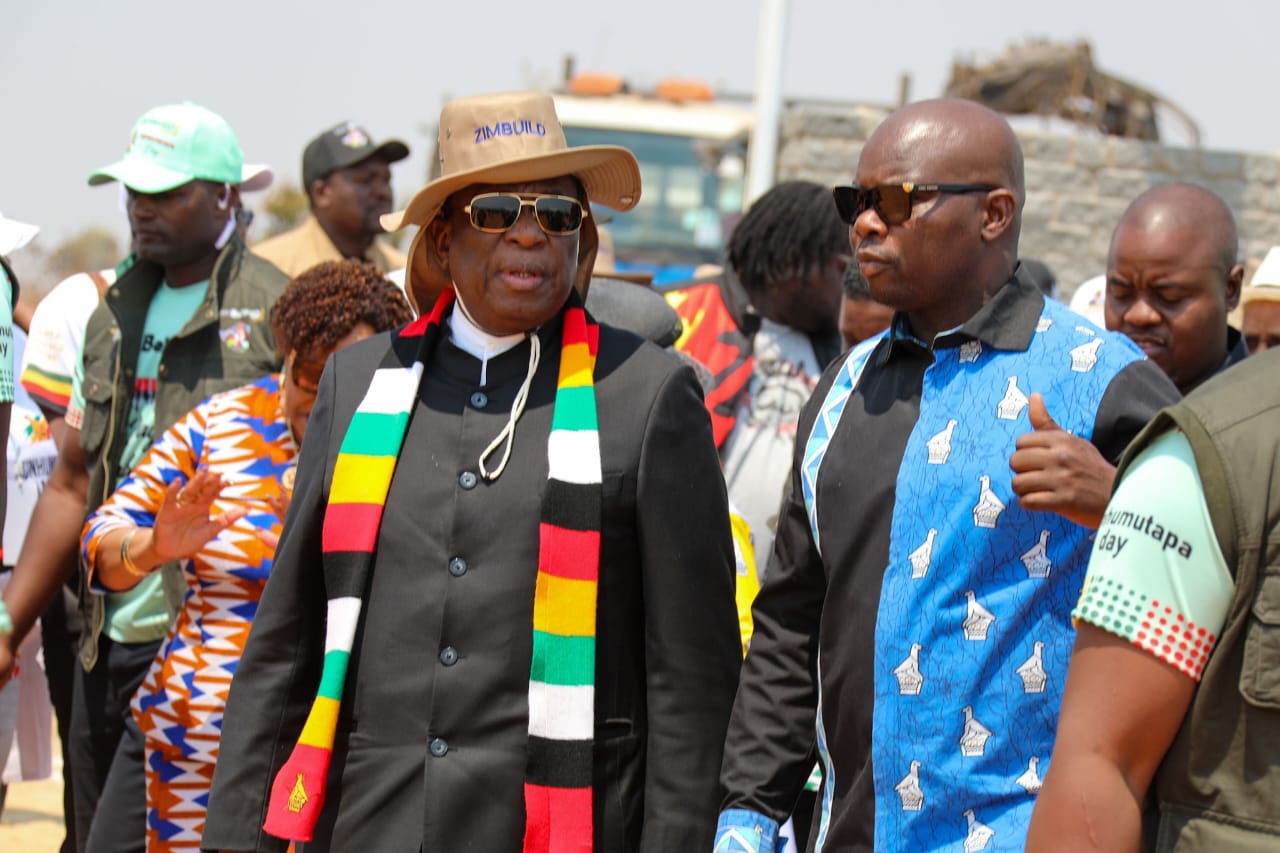
This week we saw specific backing for youths in farming, with the handover of 72 heavy-duty tractors and 10 combine harvesters that will be assigned to youth business clusters, plus confirmation of the Presidential promise that of the US$50 million assigned to build up irrigation, US$10 million will be specifically earmarked for young farmers needing irrigation.
So enthusiastic is the President for these schemes to function and be better funded that he has arranged to pay half the US$7,4 million for the agricultural equipment from his own pocket, leaving the clusters of young farmers assigned the equipment to pay the other half of US$3,7 million over three years.
This is easily possible as the tractors and combine harvesters must be used to boost production to levels that will bring in the required cash, with change for the farmers to support themselves and build up their investments in their own farms.
The farm clusters will also be required to maintain and operate the equipment so the repayment and maintenance requirements mean that each group of farmers will need to have a sound administrative base and be able to raise the money.
Probably fees from member farmers for each hour or each hectare the equipment is used for will be the fairest.
It was made very clear by the Minister of Lands, Agriculture, Fisheries, Water and Rural Development, Dr Anxious Masuka, that repayment was not an option.
The whole basis of the imports of this Belarus equipment is that the trade finance backing it will be paid off over three years, at a concessionary 7,5 percent interest rate, by the farmers and farm groups that buy the 800 units of equipment being supplied this year.
These sort of schemes, matching suitable equipment with necessary finance for the buyers, are essential to accelerate the mechanisation of Zimbabwean farming.
This is why every farmer who accepts the conditions and is able to buy or share equipment has to use it to make the money to pay up on the due dates.
The youth revolving fund will operate under the same sort of terms.
The money coming forward is a first instalment as the scheme is built up, but for the scheme to grow subsequent allocations of capital need to be used to increase the size of the fund, not replace money that was lent out and then was never repaid.
There is also the practical point, that once everyone sees the money revolving, being lent and repaid and then lent again, there will be a general feeling among taxpayers that the fund is being properly used and administered and is doing sound work, so the future top-ups will not be begrudged.
And the growing fund can then be helping ever more people each year.
The Second Republic has been very businesslike in the way it channels Government support into farming and groups like the women and the youth.
Those who are supported have to fulfil initial requirements to show they are genuine and both capable and willing to do the hard work.
Now their business and farming schemes will be checked to make sure that these, properly run, will produce the money needed to repay loans or pay off the equipment. That is how it should be.
Those moving out of such schemes should then be in a position to satisfy bankers and other future finance providers that they are the sort of low-risk people that the commercial world really likes to do business with, the Government schemes not just helping the youths get started but also providing the documented track record of success and that sort of ability and honesty that does repay loans and pay instalments.
A good business reputation, even if your business is still on the small side, is a priceless asset that anyone can create when opportunity arises, and will last a lifetime long after the successful business person or farmer or miner has moved out of the start-up schemes provided via Government programmes.
President Mnangagwa, using his own money to expand the schemes coming via the Government and finance providers, is showing confidence in the youths he is backing.
He is also providing an exceptional example to others who have been successful in their business life and leaving yet another legacy that will be remembered for many years.


 Online Reporter