Online Reporter
While freedom of expression is the Constitutional right of every Zimbabwean, and for that matter, every publication and commentator, there is the underlying requirement that anything presented as fact has to be accurate and checked out.
This opens the doors to differences of opinion and analysis, and that can be healthy so long as the basic facts, the opinions are accurate and reflect what has happened, what is happening and the truth on the ground.
The Ministry of Information, Publicity and Broadcasting Services last week moved in to show that it is far more willing to ensure that journalism is fact-based.
Stories that appear to be made up or use falsehoods planted by those who try and not just bend the truth, but totally disregard it when writing stories or making presentations are not just discrediting their own professional standards, but destroying the very basis of what journalism is supposed to be.
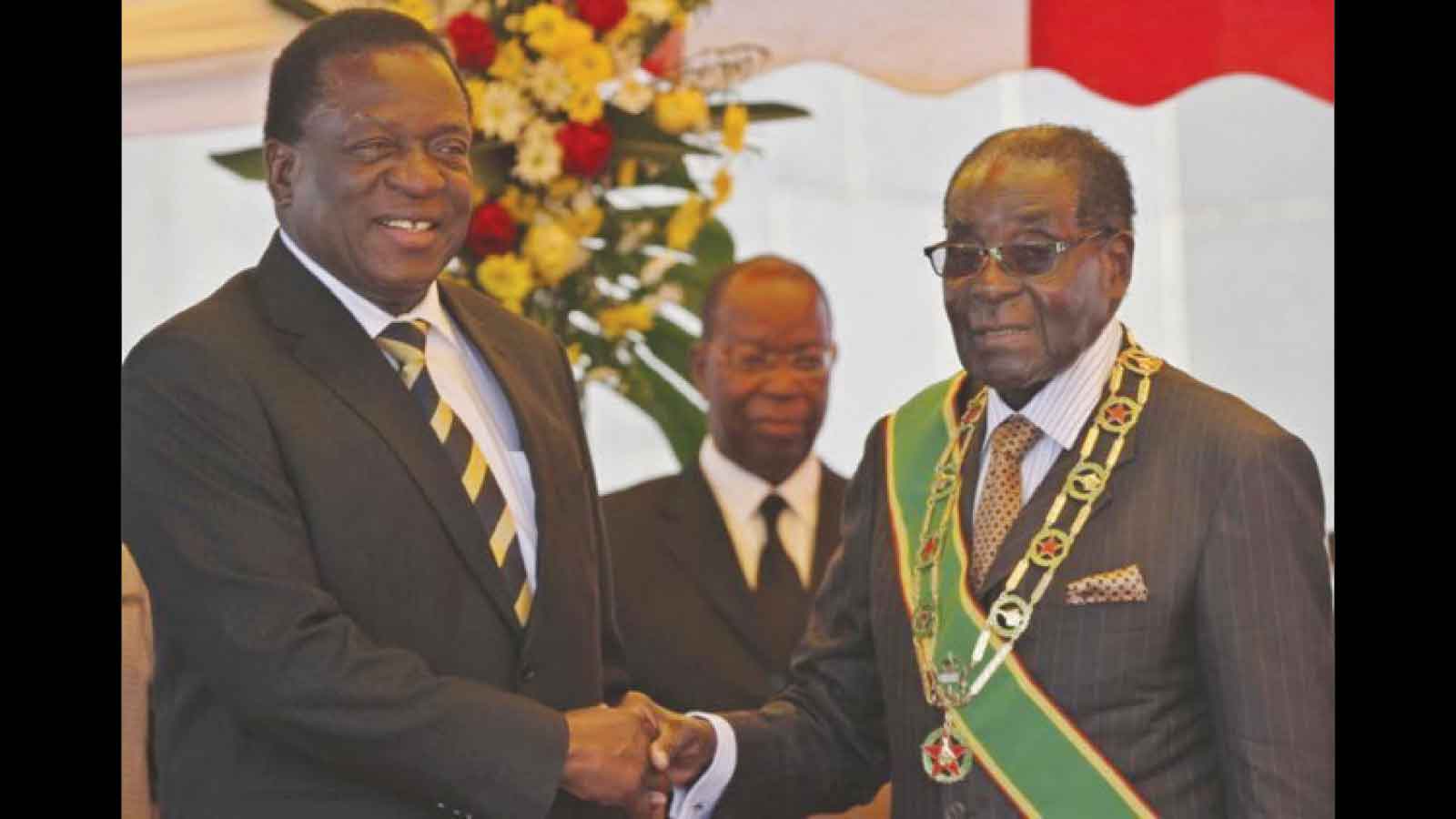
The Information Ministry has made it clear that it is alert to the dangers of false reports and is prepared to take action, which has already seen one newspaper totally withdrawing what it presented as fact and making an apology to a number of people from President Mnangagwa downwards.
That particular factual falsehood, with zero evidence, was in a Zimbabwe Independent story saying US$52 million in licence fees was unaccounted for at the Zimbabwe Broadcasting Corporation and the previous Information Minister had been reassigned by the President for raising governance issues, thus improperly questioning the President’s integrity.
The Information Ministry immediately responded, and the following day the Zimbabwe Independent apologised. There has been no special audit because ZBC internal auditors have not raised any such issue.
In any case ZBC, like all Government departments and State-owned entities, are obliged to undergo a routine annual audit, with ZBC facing its next one next month, and we are all aware that the Auditor-General made their reports to Parliament and thus make these public.
Other obvious fact checks were not done. While the apology was good, it does not say who fed the newspaper with the falsehoods or who might have generated them.
The Ministry acted promptly when a statement was made in a Geneva forum over human rights in Zimbabwe that used falsehoods and appeared to call for the re-imposition of sanctions against Zimbabwe, basically plotting to cause damage to the country. Again the facts on the ground tell a different story, of a process of reform and diplomatic engagement.
It should be noted that the same issue of the Zimbabwe Independent that contained the factually false and unchecked ZBC story, contained opinion pieces that were far from agreeing with the Government, but these caused no concern.
A lot of people like to quote an owner and editor of more than a century ago of the Manchester Guardian, CP Scott about facts being sacred, but comment free.
The context is rarely given. It was written as an instruction to the assistant editor from the House of Commons where CP Scott was sitting as a Liberal MP, so he was far from being a neutral figure in public life or politics.
But he wanted his assistant to differentiate between fact and comment, which was more likely than not to favour the Liberal Party. He also gave the good advice that comment should not just be based on real facts, but should be fair, even if a lot of people disagreed with it.
There has been a tendency in Zimbabwe in recent years to use the press, and that includes online publications, to mount hatchet jobs on the Government and members of the Government.
In the absence of electoral victory some of those in opposition have invented false stories or planted false stories built as a fiction and pretending to be facts. We have had court cases of fake reports manufactured about supposed human rights abuses, for example.
In the purely private sector civil defamation law has helped to tame these fiction writers, judges wanting something built on proper facts with proper fact checking rather than just a glancing aside.
But when the public sector is defamed, it can be more difficult.