admin
admin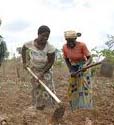
There are strong indications that the rains are just around the corner and individuals who take farming seriously should be winding up preparations for planting. The farmers should have by now mobilised all the required inputs such as seed and fertiliser. Land preparations should have been completed to enable farmers to plant with the first rains.
Weather experts have already predicted that there will be normal to above normal rains during the first half of the season while the second half is likely to record reduced rains. Farmers have therefore been advised to plant early to take advantage of the first half of the season’s good rains.
A good farmer is one who is able to adequately prepare for the planting season. In some areas, it is an advantage to dry plant so that crops can benefit from the early rains. Last year many parts of the country recorded a good harvest and this was attributed to the early delivery of inputs such as seed and fertiliser under the Presidential Inputs Scheme.
We understand the government is again this season providing free inputs to communal and small-scale farmers and it is our fervent hope that the delivery of these inputs will be done before the start of the rains like was done last year. The distribution of these inputs should in fact be in full swing by now. Farmers should however not just wait for government inputs. A good farmer starts planning for the next planting season soon after harvest.
Farmers who realised good harvests last season should have set aside money to buy inputs such as seed and fertiliser. It is a fact that due to limited resources, government cannot supply adequate inputs to all communal and small-scale farmers. Zimbabwe used to be the Southern African region’s bread basket and it has the potential to regain this status once all those allocated land under the land reform programme fully utilise the land.
More than 300,000 families were allocated land under the fast track land reform programme meant to correct the settler regime’s skewed land ownership whereby the minority whites owned most of the productive land while the majority blacks were confined to barren land. The resettlement programme is ongoing and the challenge to government is to ensure all those that were allocated land are using it productively.
There are many individuals who took land for speculative purposes and these should be identified and removed from the land so that it can be allocated to those committed to producing food not only for their consumption but the nation at large. We want as a nation to produce surplus for export as was the case in the past.
There are also individuals who were allocated more than one farm and it is our hope that government will soon embark on its planned land audit to identify multiple farm owners and take back the extra farms. There are many landless individuals on the land waiting list who should benefit from the repossessed farms. Zimbabwe’s economy is agro-based hence the need to ensure that the land is used productively.
Suppliers of farming inputs on their part should ensure prices remain affordable to farmers. Seed maize producers are reported to have increased the prices by very wide margins, a very disturbing development indeed given the fact that maize is our staple food.
The government is encouraging farmers to put increased hectarage under maize to improve food security and there is therefore a need to ensure seed maize remains affordable to farmers.
We want to once again urge farmers to get ready for planting so that the country can record another bumper harvest this season.



 Online Reporter