

 admin
admin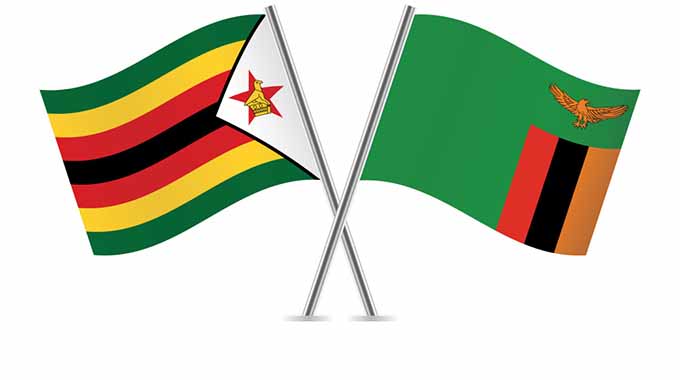
No amount of divisive machinations by the enemy can bring Zimbabwe and Zambia apart. We are siblings, we are Siamese twins and this is a supernatural state of affairs that cannot be undone.
We have noticed over the past few weeks, attempts by some local and international quarters to amplify differences between our two countries, burning the midnight candle to orchestrate strategies to drive the two countries apart but this is a futile exercise. It will not work!
The relationship between Zimbabwe and Zambia is not only historical, but historic too.
It is one solid relationship woven together by a shared history of colonialism, liberation struggles, and post-independence experiences. As neighbouring countries with deep cultural, economic and political ties, the dynamics between these two southern African nations have had a profound impact on the region.
The origins of Zimbabwe and Zambia’s intertwined journey can be traced back to the colonial era when both countries were under the control of the British Empire. Formerly known as Southern Rhodesia and Northern Rhodesia respectively, these territories were subjected to the same imperial policies and experienced similar challenges in their quest for independence.
And it was during the liberation struggle against white minority rule in Zimbabwe, then Southern Rhodesia that the connections between Zimbabwe and Zambia became more pronounced. Zambia, under the leadership of Dr Kenneth Kaunda, played a vital role in supporting the Zimbabwe African National Union (ZANU) and the Zimbabwe African People’s Union (ZAPU) in their fight for freedom.
Zambia provided safe havens, training grounds, and logistical support to the freedom fighters, who used the country as a strategic base to launch operations against the Rhodesian army.
The close ties forged during the liberation struggle continued to shape the post-independence relations between the two countries. They recognised the importance of maintaining strong political, diplomatic, economic, and cultural ties. Trade, investment, and the movement of people across the shared border have been key components of this relationship.
Today, the political, cultural, and social dynamics between Zimbabwe and Zambia remain intricate and multifaceted. On the political front, the two nations enjoy cordial relations, with high-level visits and cooperation on regional and international issues, to the chagrin of the enemy camp.
Culturally, the people of Zimbabwe and Zambia share many similarities, including languages, customs, and traditions. The Tonga and Lozi ethnic groups, for example, have communities on both sides of the Zambezi River, which serves as the natural border between the two countries. This cultural exchange and interconnectedness has fostered a sense of shared identity and mutual understanding.
In the social realm, the movement of people, ideas and experiences between Zimbabwe and Zambia has been a constant. Zimbabweans have long sought economic opportunities in Zambia, while Zambians have done the same. This has led to the formation of diaspora communities, the exchange of skills and knowledge, and the blending of social norms and practices.
As alluded to earlier, these two countries share the mighty Zambezi River, one of the eight wonders of the world the Victoria Falls, and the Kariba Dam while animals criss cross the two nations symbolising the oneness and proximity of the two physically and otherwise
Who or what can undo such a solid bond?
As the two countries navigate the 21st century, the relationship between Zimbabwe and Zambia continues to evolve. Challenges such as economic disparities, perceived political tensions, and the impact of global events have tested the resilience of this bond. Yet, the deep-rooted historical, cultural and social ties between the two nations suggest that their relationship will endure, adapting to the changing circumstances and presenting new opportunities for collaboration and mutual growth.
The story of Zimbabwe and Zambia is one of shared struggle, interdependence, and a steadfast commitment to regional cooperation. As they confront the contemporary issues of their time, these two nations must draw upon their rich past to forge a future that benefits their people and strengthens their position within SADC and the broader African landscape.
President Mnangagwa, who has often referred to Zimbabwe and Zambia as Siamese twins, was educated in Zambia. He has a special place in his heart for this neighbour, which manifests in his words and actions towards that country.
Relations between the two can only grow stronger. The faster the enemy realises this, the better for us all. Both countries must remain steadfast in guarding this relationship jealously.



 Peter Tanyanyiwa
 Online Reporter