Online Reporter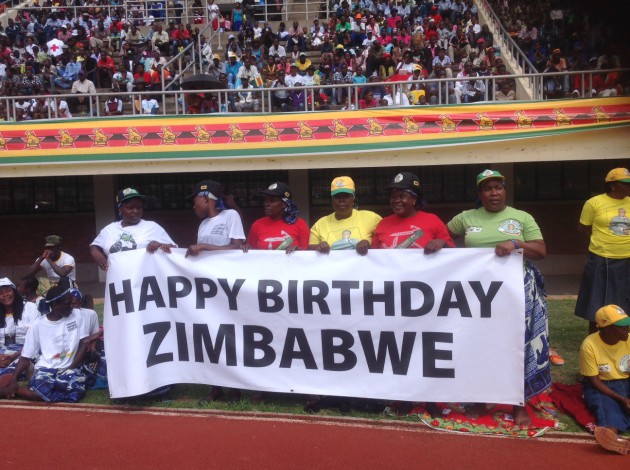
COMMEMORATING Zimbabwe’s 46 years of independence is not merely a ceremonial act; it is a profound reflection on the nation’s journey, its struggles, triumphs, and aspirations.
Independence, attained on April 18, 1980, marked the end of colonial rule and the beginning of self-determination for millions of Zimbabweans.
To pause and honour this milestone is to acknowledge the sacrifices made by countless men and women who fought for freedom, as well as to reaffirm the values of sovereignty, dignity, and national identity that independence bestowed upon the country.
For the citizenry, independence is more than a historical event — it is the foundation of their collective identity.
It represents the right to chart their own destiny, to speak their own languages without suppression, to celebrate their culture without fear, and to pursue development according to their own priorities.
Independence gave Zimbabweans the power to reclaim their land, resources, and governance structures, which had long been controlled by external forces. This sense of ownership is vital: it instills pride, fosters unity, and strengthens the social fabric. For ordinary citizens, independence means the ability to participate in shaping the nation’s future, whether through democratic processes, cultural expression, or economic activity.
It is a reminder that freedom is not static but must be safeguarded and nurtured through responsible citizenship and collective effort.
Commemoration also serves as a bridge between generations. For those who lived through the liberation struggle, independence is a lived memory of resilience and sacrifice.
For younger generations, it is a legacy to inherit and a responsibility to uphold. By celebrating independence, Zimbabwe ensures that the narrative of struggle and triumph is not lost, but instead becomes a source of inspiration for future leaders, innovators, and citizens.
It is a way of saying: “We came from a place of hardship, but through unity and determination, we achieved freedom. Now, it is our duty to use that freedom wisely.”
This reflection naturally ties into Zimbabwe’s quest for Vision 2030, the national strategy to transform the country into an upper middle-income economy.

Independence laid the groundwork for this ambition by granting Zimbabweans the autonomy to design policies that serve their own development goals. Vision 2030 is not just about economic growth; it is about translating independence into tangible improvements in the quality of life. It envisions a Zimbabwe where citizens enjoy better healthcare, education, infrastructure, and employment opportunities. In essence, it seeks to make independence meaningful in everyday life, ensuring that freedom is accompanied by prosperity.
The pursuit of Vision 2030 requires harnessing the nation’s resources — its fertile land, mineral wealth, and human capital — in ways that are sustainable and inclusive. It demands innovation, good governance, and resilience in the face of global challenges such as climate change and economic volatility. Independence gave Zimbabwe the right to control these resources; Vision 2030 challenges the nation to use them effectively to uplift its people.
The citizenry plays a central role here: their participation, creativity, and industriousness are the engines of transformation. Independence empowered them with rights; Vision 2030 calls upon them to exercise those rights responsibly to build a thriving nation.
Commemorating 46 years of independence, therefore, is, not only about looking back with pride, but also about looking forward with determination.
It is a reminder that the struggle for freedom was not an end in itself, but a beginning—a foundation upon which to build a prosperous, equitable, and resilient Zimbabwe.
It is a call to action: to honour the sacrifices of the past by working diligently toward the aspirations of the future.
Independence gave Zimbabweans the tools of sovereignty; Vision 2030 provides the blueprint for turning sovereignty into socio-economic transformation.
Ultimately, the importance of commemorating independence lies in its ability to unite the nation around shared values and goals. It reinforces the idea that Zimbabwe is, not defined by its challenges, but by its capacity to overcome them.
It reminds citizens that they are heirs to a legacy of courage and resilience, and that they have the responsibility to carry that legacy forward.
As Zimbabwe celebrates 46 years of independence, it does so, not only with gratitude for the past, but with hope for the future—a future where Vision 2030 is realised, and independence is expressed, not just in political sovereignty, but in the lived reality of prosperity and dignity for all.