admin
admin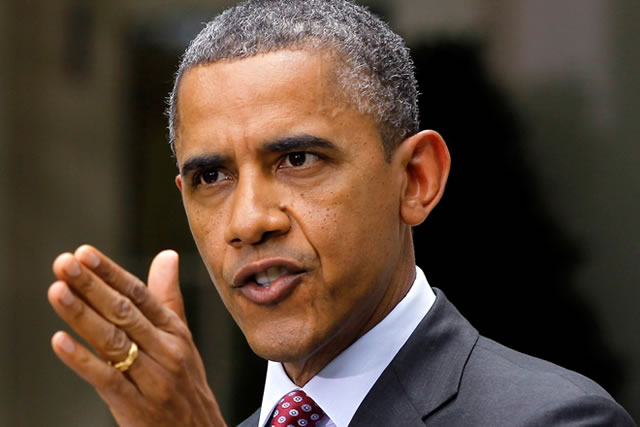
WE hail the historic Iran nuclear deal struck between the Persian nation and six world powers led by the United States in Vienna, Austria, on Tuesday because it was an agreement couched in mutual respect and benefiting both sides and not one based on the whims and caprices of the developed world.
Iran, Iraq and North Korea were on January 29 2002, labelled the “axis of evil” by then United States President George W Bush in his State of the Nation address while his Secretary of State Condoleezza Rice followed that up with her own “outposts of tyranny” list which included Zimbabwe, Cuba, Burma and Belarus.
In the wake of Bush’s speech, Iraq was invaded for the second time by the US and its allies and President Saddam Hussein was toppled and killed. Iran, North Korea, Zimbabwe, Cuba, Burma and Belarus remained under US sanctions through successive administrations until recently when the embargo on Cuba and Burma was lifted.
This leaves Zimbabwe, North Korea and Belarus as the only countries where the US still maintains a raft of punitive measures after the landmark deal signed by Iran and six world powers which included Britain, Germany, the US, France, China and Russia. The agreement limits Iranian nuclear activity in return for the lifting of crippling international economic sanctions.
The deal is a culmination of 20 months of negotiations on an agreement that President Barack Obama had long sought as the biggest diplomatic achievement of his presidency. Whether it portends a new relationship between the United States and Iran — after decades of coups, hostage-taking, terrorism and sanctions — remains a bigger question but the immediate impact of the deal is a new lease of life for the Iranian economy which has suffered under the yoke of sanctions.
The way Iranians celebrated the deal on the streets of Tehran spoke volumes about the damage the sanctions wrought on their country’s economy. Across Tehran, many Iranians expressed hope for better economic times after years in which crippling sanctions have severely depressed the value of the national currency, the rial. That in turn caused inflation and shortages of goods, including vital medicines, and forced Iranians to carry fat wads of bank notes to pay for everyday items such as meat, rice and beans.
As details of the deal emerged, Israel and Conservatives in the US government were quick to condemn it as a “historic mistake” and made known their fears of an economically strong Iranian government. Israeli Prime Minister Benjamin Netanyahu said it was a “stunning historic mistake” that would provide Iran with “hundreds of billions of dollars with which it can fuel its terror machine and its expansion and aggression throughout the Middle East and across the globe”.
But Tehran has always maintained that its nuclear programme was for peaceful purposes such as powering its industries and for domestic use. Proponents of the deal will be emboldened by President Obama’s steely resolve to see it through including vetoing any attempt to block its passage in Congress.
So as the world digests the implications of the deal, there is no doubt that history has been made and relations between Iran and the US will never be the same again. It is our hope that the terms of the agreement will be adhered to religiously by all parties so that tensions are lowered and the Iranian people can be reintegrated fully into the wider community of nations.
Iran will be able to realise its economic potential as capital flows in following the consummation of the deal. We are alive to the dangers and pitfalls that lie in the way of a full implementation of the deal but we urge all parties to exercise patience and restraint as they move to fulfil the terms of the agreement.
The Iran nuclear deal gives hope to Zimbabweans who have also been suffering under the weight of economic and other trade sanctions imposed by the US, the UK and their allies since the turn of the millennium. Just like Iran, Zimbabwe has never wavered in its defence of its territorial integrity and sovereignty but has said it is prepared to engage in its mutually beneficial relations with the West.
The Iranian deal shows that it is possible for the West to normalise ties with Zimbabwe but that relationship should recognise the country’s right to determine its internal processes without undue interference. Re-engagement efforts underway between various European Union countries, the US and Zimbabwe should be expedited so that the country realises its full potential.
We pray that reason prevails and the resumption of full diplomatic and trade relations happens sooner rather than later. Both sides should be pragmatic and willing to take tough decisions for any deal to happen.


 Online Reporter