Online Reporter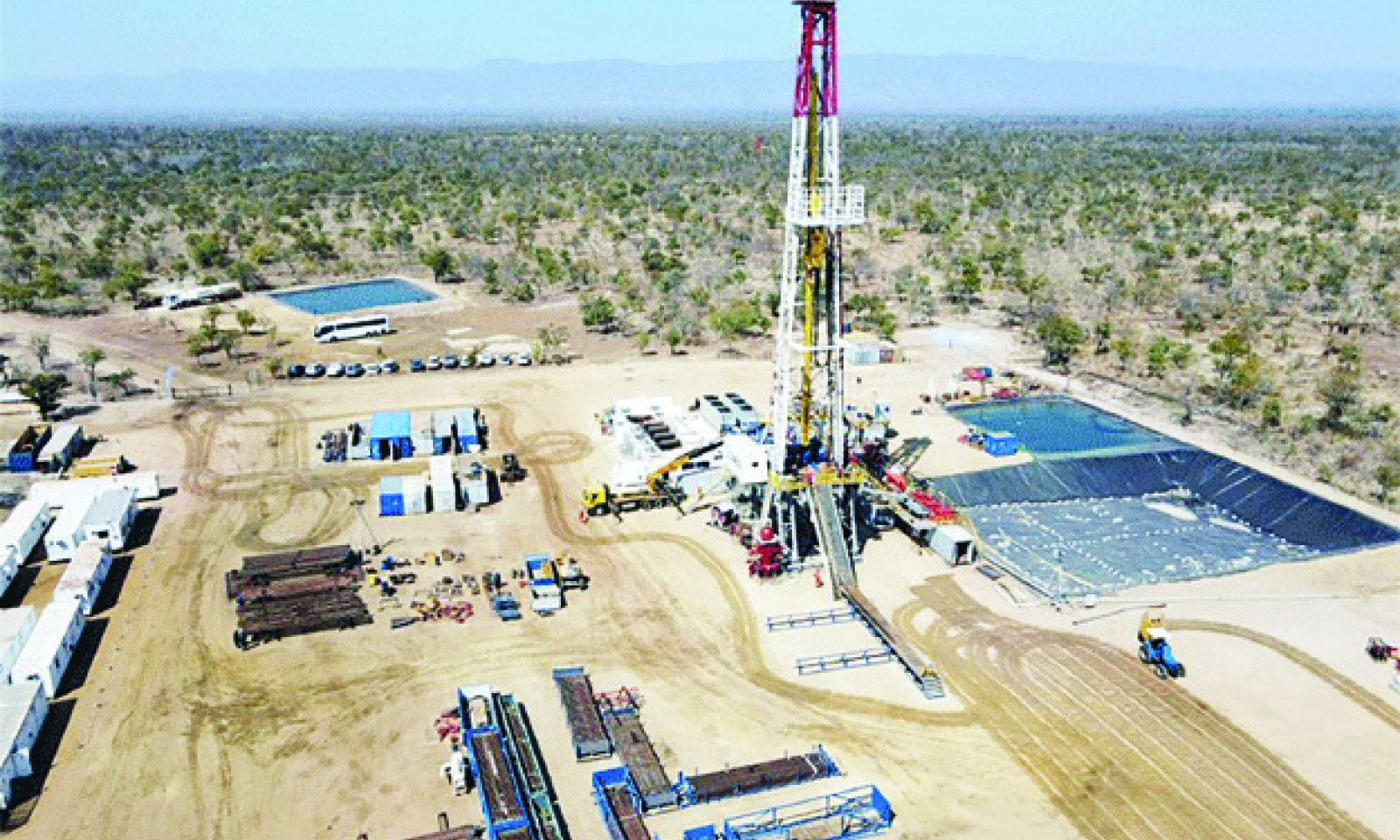
WITH steady progress in the drilling for natural gas in the Cabora Bassa gas fields stretching across the northern parts of the Mbire and Muzarabani districts, the day is fast approaching when commercial gas supplies will be available.
So we need to be ready with plans in place and investment lined up for the first uses of this gas when commercial wells are drilled.
The Australian-headquartered company, Invictus Energy, is dual listed on the Australian and Victoria Falls Stock Exchanges.
More importantly it has moved forward on the legal front with a petroleum production sharing agreement with the Government four months ago and the required environmental approval and guidelines for pilot gas production.
The rig for this pilot production is already in the Mukuyu area of one of the identified gas fields in the Cabora Bassa basin, so it is now necessary for potential customers to come forward and start working on the necessary infrastructure.
One of the first and most obvious users will be a projected gas power station.
This can be very close to the supplying well (s), so avoiding the complexities of a pipeline, although there will be a necessary extension of the main core of the national grid north from Bindura or east from Kariba or Karoi.
A natural gas power station can be built in months and is one of the simplest power stations to build, far simpler than a coal-fired thermal station or a major hydro station needing a large and expensive dam.
A unit in a gas station is basically a jet engine attached via suitable gearing to a generator and then to a transformer and the grid connection.
The engine is the basic engine, and modified 1950s designs are frequently used since what is wanted is the basic direct power, rather than the by-pass extras of modern engines slung under the wings of modern passenger aircraft.
With the civil engineering requirements so modest, such as no cooling systems or complex coal feeds, and the mechanical engineering almost as basic, the station is largely just a secure foundation for the engine and electrical equipment and a roof to keep the rain off.
While obviously not as green as solar or hydro, since natural gases are burnt, the carbon footprint is still around half that of a coal station.
Zimbabwe’s rate of economic growth is sufficiently fast that new power stations will be needed soon.
While planned solar stations, and those now being built, will provide a lot of power, we also need some extra 24/7 reliability that can generate through cloudy days and droughts.
A gas station is obviously ideal although we must continue pressing on with the solar options.
The capital costs, these days, are roughly the same and both solar and gas are cheaper than a new coal station.
The other almost immediate use of natural gas will be in the production of ammonia, the core ingredient for nitrogenous fertilisers.
There is a memorandum of understanding for a gas pipeline from Muzarabani area to Kwekwe, where ammonium nitrate is already made, but so far nothing firmer than this.
The other option is to have the ammonia production up near the gas field, and ship this product to the fertiliser factories by road and rail.
Invictus have noted that a reliable and regular supply of gas will eventually have a wide range of uses in industrial Zimbabwe, as a source of energy and raw materials.
The power station, built up in a string of units, and fertiliser manufacture are just the first.
A Muzarabani pipeline could feed into a proposed gas pipeline from Mozambique for widest possible distribution and sales.
But such levels of infrastructure will require some serious investment and once again we have a situation where customers have to exist before the infrastructure is financially viable.
So there are good grounds for looking at building up an industrial area in the north of Mashonaland Central, with a lot of downstream industries from the gas wells established there. As heavier fractions are proven and extracted they will provide a wider range of raw materials for new industries.
There was some talk of diesel and petrol refining, and this would involve a different process of building up these heavier fuels from lighter condensates, even if not as light as the pure gases.
But the time it normally takes to prove reserves of condensates and then build a refinery means that it would probably be ready only when Zimbabwe was well advanced on the journey to an electrical vehicle fleet that such fuels could be ready.
These condensates might well be better used as the building blocks of plastics and other hydrocarbons with the natural gas being used to supplement new green power generation so we have enough energy to charge that electric fleet and to continue our major push to becoming a serious industrial power.
And if the hydrocarbon industrial hub was somewhere in Muzarabani district that would have the additional benefit of spreading our industry and including many more areas into the new industrial base