Online Reporter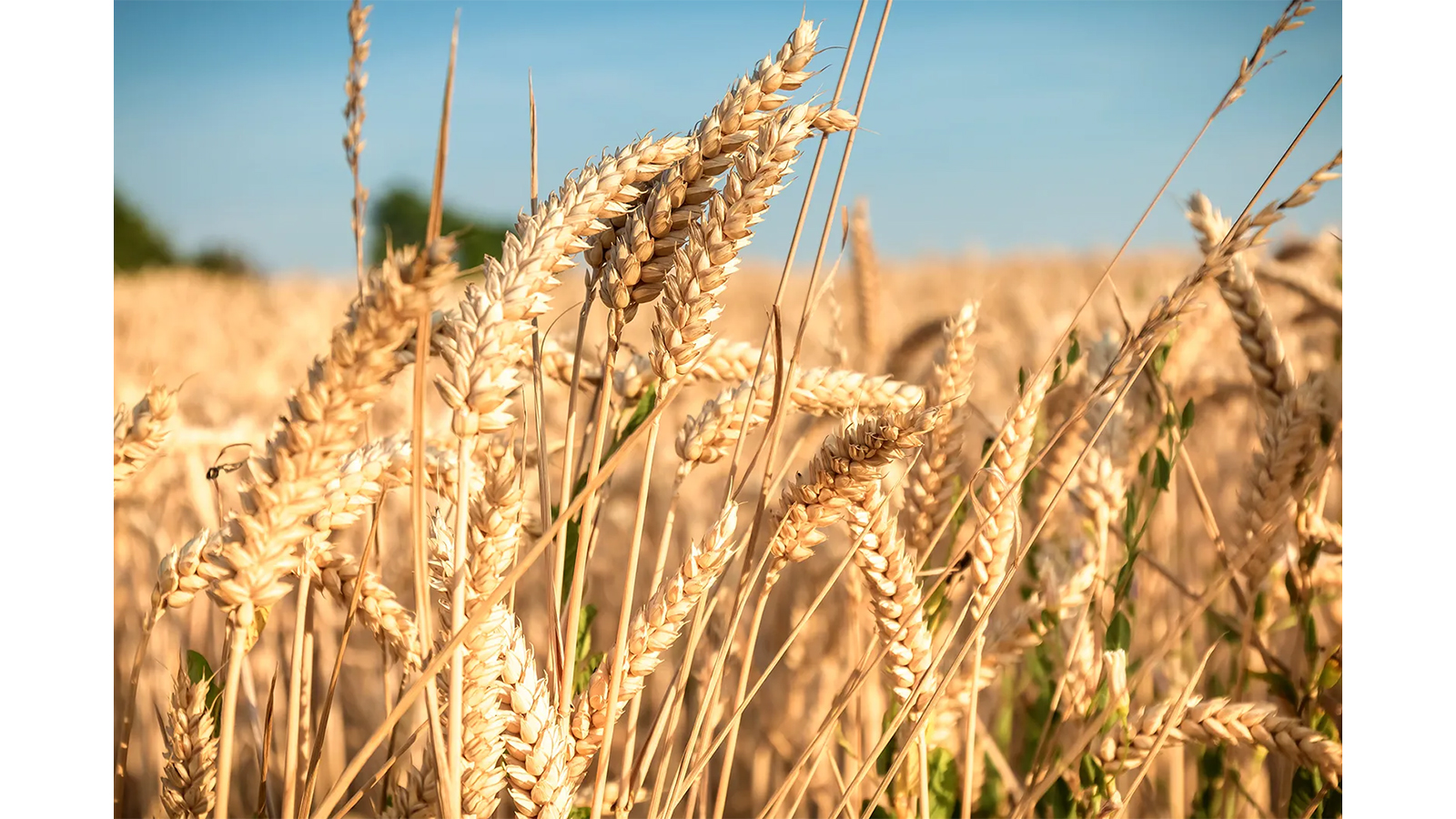
ZIMBABWE has seen wheat production soar since 2020 when the major programmes of the Second Republic came into force, and this year not only will the harvest record be broken for the fifth year running, but we are likely to reap more than 600 000 tonnes.
The thrust to sort out wheat was applied over several fronts, but basically we are harvesting on average almost twice as much per hectare as yields rise and are planting significantly more hectares.
The higher yields are a result of better farming plus successful efforts to ensure that Zinwa can supply the irrigation water and Zesa can ensure farmers get enough power to run the pumps and sprays.
Although commercial wheat production was started in the middle 1960s, it was not until the Second Republic that we obtained self-sufficiency in the sort bread wheats that form almost all our crop and which grow so well in our winter under irrigation. Wheat is a temperate zone crop, so we need to use temperatures managed by altitude and season to get the climate we need.
We still import wheat, not the general crop, but a moderate amount of hard wheats. Good bread flour needs a small addition of such wheats in the mix, and the pasta business is heavily reliant on hard wheats.
Adding to our range would now seem to be a necessity. We are never going to grow those hard red winter wheats in Zimbabwe; they need to be planted before the snow starts falling on the fields in more typical wheat areas and we simply do not have those very cold temperatures that these varieties require for part of their growing season.
But there are alternatives, especially the durum wheats, a different species of wheat, but recognised as the hardest of all wheats.
This originates and is now grown across the Middle East, North Africa and southern Europe, areas with climates a lot closer to that pertaining in Zimbabwe. It also needs less irrigation, although for Zimbabwean farmers this will not be a critical factor as it needs some irrigation in the growing season.
Durum only provides about 5 percent of the global wheat crop, but is critical in building up the additions of harder wheats for bread, and is used as the primary grain in all premium pasta flour mixes.
So it would fit into our crop and harvests rather well, as an additional crop rather than a replacement crop.
Durum is genetically a little different from bread wheat, having four sets of chromosomes rather than the six of bread wheat, but the ancestry of the crop as a collection of goat grasses is similar and in fact durum wheat is a sort of ancestor to bread wheat.
We would argue that next winter we should have a significant extra winter grain, durum wheat, although the major part of the crop must be the bread wheat where we have been so successful.
Fortunately it is not one of the other that we must choose, but rather both, and now we have built up a community of good wheat farmers, we must have farmers who have the skills for the trials.
Part of the addition is to reduce imports, but these days this is less important than making sure that Zimbabweans have access to the best of all worlds, and the full range of grains.
We are not obliged to be looking at monocultures, but can add species and varieties of all crops to have a more complete and richer diet.
Wheat and durum are not the only grains where some extra variety could be useful. Sorghums and millets are indigenous to Africa and were domesticated on the continent thousands of years before colonial crops are added to the mix.
This tended to ensure that there were a wide variety of types that could grow in almost any African environment, and that there was significant variety of taste.
Regrettably, the colonial era saw research concentrating on pushing up yields of a handful of varieties, the ones that became the commercial seed varieties, and these were often seen as stock feeds, with human consumers running second, being just people who could not get hold of maize.
There was one area where taste was critical, the brewing of traditional beers, and here major brewers did insist on better research and launched the earliest contract growing of sorghums.
But it would appear that now a great deal more could be done to extend the range of seed varieties. Already we have semi-luxury traditional grain preparations, and it would seem useful if the farmers could be tied in.
Recent efforts to recover a lot more traditional varieties of foods, plus save recipes and cooking techniques, must have opened up more potential markets.
Maize, as an imported crop originating in what is now Mexico, might always be a bit of a monoculture, but when it comes to the more complex and sophisticated local crops then we should be more willing to experiment.
At the same time we need to use the full range of other crops, such as the wheats, so get that range of varieties that are found where it is an indigenous crop.
We do not have to accept second best for either our own crops or for those we have brought in to add to the variety of foods that Zimbabweans want and deserve.
We have been licking the volume problems in so much of our farming, and we were right to push volumes and yields as we moved from food deficits.
But now we are starting to see food surpluses becoming the norm, we can start adding variety ad quality, and that will not just give Zimbabweans a better life, but will open new, and better paid, export markets.