

 admin
admin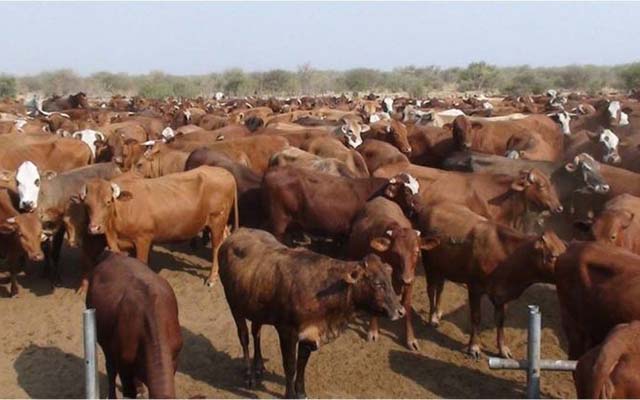
ZIMBABWE is now roughly self-sufficient in beef, pork and poultry so increased production can see the reopening of export markets as well as the continued improvements in our diets.
But exports, especially those to the most lucrative markets in Europe, require perfect adherence to animal health and the absence of a range of diseases, including foot and mouth, and that means that the Department of Veterinary Services has to approve all cattle movements, checking where necessary that the cattle being moved are free of disease.
It also requires that cattle being moved illegally need to be seized and if necessary destroyed, as has happened with 85 beasts in the first half of this year, or quarantined if possible. This is an obvious requirement.
The dangers of January disease are well-known in Zimbabwe, as it is the biggest killer of cattle and has spread through illegal cattle movement. We are beating it back with dipping and tick-grease, as farmers come to understand how important both are.
There had been a long period when farmers just paid lip service to dipping, but the damage means that they are now helping rebuild dip tanks at times, and certainly patronising the repaired, rebuilt and new tanks that are being hurriedly commissioned and recommissioned.
Foot and mouth is just a minor infection in warm dry countries, such as Zimbabwe. But it is a major killer in cool wet countries, as in Europe, with major death rates.
Since it is a virus there is no cure, and the only way of stopping it is destroying the herd where it emerges and burning the carcasses. Zimbabwean farmers hit by January disease can understand the sort of fear European farmers have with foot and mouth.
Zimbabweans who travel to Botswana or through Botswana are familiar with the strict measures that country takes to prevent foot and mouth appearing, to prevent unlicensed cattle movement, and to have permanent barriers between districts so that it is impossible for a tiny outbreak to spread.
While Botswana’s major export might be diamonds, for a large majority of its rural communities their serious earnings come from beef exports.
For this they have to produce high quality cattle and keep them free of disease. So the support is high for those frequent road blocks or permanent gates to check that some dumb tourist or a common criminal is not carrying any meat products.
As the Vet Department and the police build up their drive to prevent illegal movement of cattle and meat and other animals and their products, Zimbabwean townies need to show the same understanding and patience.
For a start it prevents most of us from eating any products from a diseased animal, and even if the disease does not affect humans, who wants to take a chance.
The Vet Department have warned that they will be manning more road blocks and checks and considering the way too many Zimbabweans feel that regulations, while laudable, are really for other people not them, these road blocks will be needed.
The clampdown on cattle movement, unless the movement has been approved, will help tremendously to reduce stock theft.
Most stolen cattle are slaughtered, usually in most unhygienic conditions, as soon as possible so that the evidence is destroyed, by being converted into steaks and other cuts and eaten, with the remaining bones quietly buried or dumped as being totally unidentifiable.
Very often the police have only a few days to track down the criminals and recover the stolen animals, and sometimes less than 24 hours.
Clamping down on the movement of stolen animals, since it is very difficult to ask a veterinary officer or extension worker for the needed pass if the cattle are stolen, will obviously cramp the style of the thieves.
If the clampdown can also, as in Botswana, deal with meat in the boot of a car or the back of a pick-up, this should also help snare the thieves. All meat offered for sale should be inspected and should be slaughtered in hygienic conditions, even on a farm in a rural setting.
Both the Vet Department and the police are keen on all farmers branding their cattle using their registered brands.
This allows the Vet Department to ensure that the cattle being moved come from the farmer who sought the permit, and that where any unlicenced cattle being moved the owner can quickly be identified and action taken.
The police are keen since it makes it so much easier to track down stolen cattle.
A description of a stolen steer or cow is all very well, but knowing that there is a simple brand that clearly identifies the farmer’s animals makes the checks very quick and simple, and when you are hunting down a gang of criminals with a few cows anything that speeds up the process is welcome.
It should be compulsory for all farmers to brand cattle. This was the case in some sectors in colonial times, but now should be universal as soon as all farmers have been introduced to the concept and been given the details of how to register their brand and how to apply it.
The Vet Department are making rapid progress, with more than 2 million cattle already branded this year out of a target of 2 million for the whole year.
This shows that farmers appreciate the need for branding and that there is not much resistance to the concept, or its implementation.
Making sure that everyone knows a particular beast is yours not only deters thieves, but also makes it easier when a beast strays or runs away for a neighbour to be able to know where it came from, or the local police or council to find the owner when it is turned in.



 leeroy
 Online Reporter