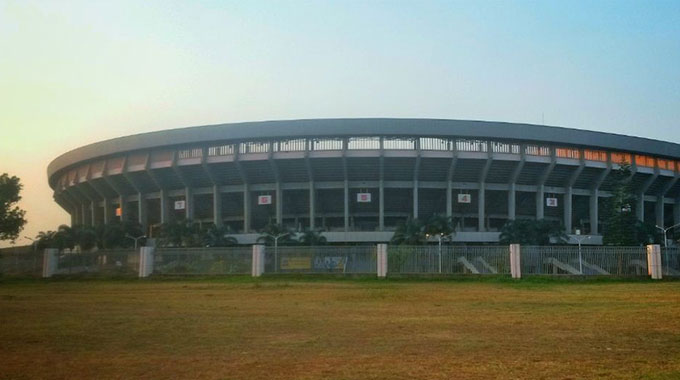
THE return of international football to the National Sports Stadium was meant to be a triumphant moment for Zimbabwean sport.
After five years of exile during which our national football teams were forced to play home matches in foreign lands, fans finally had the opportunity to rally behind the Warriors on home soil again when Zimbabwe hosted the Democratic Republic of Congo in a 2027 AFCON qualifier on September 28.
Sadly, what should have been a celebration turned into a national embarrassment following unfortunate incidents at the refurbished stadium.
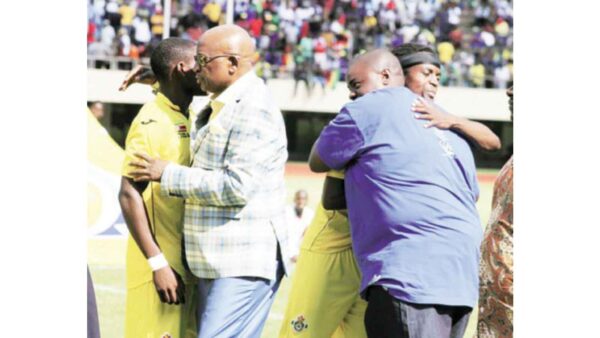
The anxiety and enthusiasm to have football back in the country were expected, but the chaos at Gate 2 which resulted in a fatality and the post-match pitch invasion were uncalled for.
CAF responded by ordering Zimbabwean teams to play home matches behind closed doors, which is quite sad.
This development should anger every genuine football lover. Not because CAF acted unfairly, but because Zimbabweans squandered a hard-earned opportunity to get football and business opportunities back.
Millions of dollars and countless hours were invested by Government and private partners, including Sakunda Holdings, in restoring the National Sports Stadium to a condition acceptable for international football.
Years of lobbying, renovations and negotiations had finally persuaded CAF to grant Zimbabwe the privilege of hosting international matches once again.
Yet a small group of irresponsible individuals, combined with evident shortcomings in crowd management, have put those gains at risk.
Since ZIFA was under close surveillance from CAF, after having ticked all the right boxes to get football back in the country, all stakeholders should have known better how to conduct their business under the circumstances.
What transpired at the stadium on the night was, obviously, not the best way to express our shared joy and excitement; and now is the time for an honest introspection.
The match organisers should conduct a thorough review of their systems and supporters must accept their share of responsibility as well, to chart the best way forward.
Passion for football should never translate into recklessness. Pitch invasions are not celebrations; they are serious breaches of safety and security regulations. They endanger players, officials and fellow spectators.
Around the world, supporters understand that their primary role is to support from the terraces. Zimbabwean fans must embrace the same culture of discipline and respect for the game.
Equally unacceptable were the disturbances at the entry points. No football match is worth the loss of human life. The death of a supporter is a painful reminder that crowd behaviour has consequences.
Every supporter must play their part by arriving early, following stadium regulations and cooperating with security personnel.
However, responsibility does not end with the fans.
ZIFA, stadium authorities, security services and event organisers must also acknowledge that the incidents exposed weaknesses in match-day planning.
ZIFA president Nqobile Magwizi has already pledged stronger safety measures and greater engagement with CAF as efforts continue to have the sanction lifted.
The continental football governing body has made it clear that the decision was taken as a precautionary measure while ZIFA reviews its safety and security systems.
CAF’s Safe Stadium Initiative emphasises risk management, crowd control, emergency preparedness, spectator segregation, steward training and efficient stadium operations as critical pillars of modern football administration.
The initiative was created specifically to eliminate fatalities and improve the football experience across the continent. Zimbabwe must now fully embrace these standards.
Several practical steps should be implemented immediately.
Firstly, online ticketing systems must be upgraded and thoroughly tested before major fixtures. Long queues, scanner failures and uncertainty at entry points create frustration that can quickly escalate into disorder.
Secondly, professionally trained stewards should become the first line of crowd management. CAF has repeatedly stressed the importance of properly trained stewards who understand crowd dynamics and emergency response procedures.
For the record, ZIFA are one of the associations that benefitted from CAF capacitation programme that trained 40 local stadium safety and security officers a few years back.
Thirdly, stadium surveillance systems should be strengthened. High-definition cameras can help identify offenders involved in pitch invasions, vandalism and other acts of misconduct. Individuals found guilty should face meaningful sanctions, including stadium bans.
Fourth, safety awareness campaigns must become a permanent feature of Zimbabwean football. Supporters need regular education on acceptable conduct before, during and after matches.
Football associations elsewhere invest heavily in fan engagement programmes because prevention is always better than punishment.
Fifth, all stakeholders should conduct comprehensive simulation exercises before high-profile fixtures. Emergency services, police, stewards and stadium management must be prepared for every possible scenario, from crowd surges to medical emergencies.
Most importantly, Zimbabweans must embrace collective responsibility. As the Permanent Secretary in the Ministry of Sport, Recreation, Arts and Culture, Nicholas Moyo, rightly observed the nation must rise above “petty behaviour” and take responsibility for its actions.
The National Sports Stadium belongs to all Zimbabweans. Protecting its reputation is not solely the duty of ZIFA or Government.
It is the responsibility of every supporter who buys a ticket, every steward who works on match day and every official entrusted with organising the event.
Zimbabwean football has suffered enough. We cannot afford another period of playing before empty stands or hosting matches beyond our borders.
The lesson from this unfortunate episode is straightforward: world-class infrastructure must be matched by world-class behaviour.
Only through discipline, professionalism and collective commitment can we ensure that football remains at the National Sports Stadium, where it rightfully belongs.