Rosenthal Mutakati
Ghetto Blast
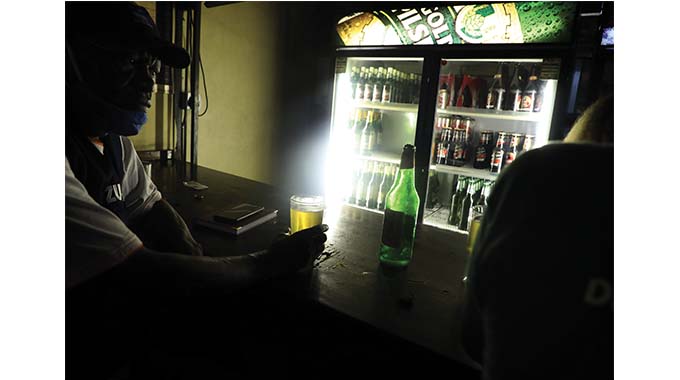
The bar is a theatre of shadows, an opulent stage where the desperate and the slick seamlessly intermingle.
Beneath the neon haze and the rhythmic clink of crystal, a quiet parasitism thrives. There exists a unique class of nocturnal spirits who possess an intoxicating hunger for the nightlife, but carry only an empty purse.
They are the phantom revellers — the social chameleons who navigate the crowded counters not with coin, but with a calculated alchemy of charm and opportunism.
“Parasites,” “Bugs”, “Poacher”, “Chopper”, “Vakumbiri” or “Zvindakwenya” are names given to people who are ever present at bars, but without the means to quench their own thirst.
They can make your life miserable and act as if knowing them is a crime.
Among these masters of the mirage, none is more artful, nor more insidious, than a man known to the bartenders simply as Moyondizvo.
To look at Moyondizvo as he steps through the threshold of the lounge is to see a man who seemingly commands the room. He wraps himself in a well-preserved, thrifted velvet blazer that catches the dim indigo light just so, masking the stale scent of yesterday’s borrowed spirits with a sharp burst of synthetic lavender.
He carries himself with the easy posture of a disinherited aristocrat, a man whose wealth is merely temporarily trapped in a distant estate. But the bartenders know the truth.
When Moyondizvo smiles, deploying a row of pearlescent teeth, he is not offering warmth. He is deploying an anchor, seeking a harbour where he can cast his line into someone else’s evening.
Moyondizvo understands that in the grand theatre of the night, cash is a crude instrument; social gravity is the true currency. Yet, his elegance hides a predatory theft. Every free drink he secures is a direct robbery of another patron’s peace.
The exhausted accountant, the stressed nurse, the weary labourer — these people enter the bar seeking a hard-earned sanctuary. They pay a premium for a quiet corner, a top-shelf pour, and the simple luxury of being left alone with their thoughts. Moyondizvo actively steals this tranquillity.
His primary strategy is the Symphony of Sympathy. He spots a group of patrons, their laughter rising above the thumping bassline. He approaches not as an intruder, but as a long-lost piece of their puzzle, sliding into the conversational gap with an anecdote so perfectly tailored that the group naturally parts to welcome him.
When the inevitable moment arrives and the alpha of the group flags down the bartender to buy a round, Moyondizvo deftly orchestrates a subtle pause, a sigh of mock-exhaustion, or a sweeping gesture of camaraderie that compels the buyer to assume Moyondizvo is part of the collective ledger.
By inserting himself into their circle, he effectively hijacks their celebratory mood, forcing them to finance a stranger’s presence when they only wanted to celebrate with their own.
On barren evenings when groups are insular, Moyondizvo turns to the Romance of the Moat. He targets the solitary romantic or the starry-eyed dreamer, offering them the most expensive commodity in the modern world: absolute, undivided attention.
He listens with an intensity that borders on the spiritual, nodding in profound agreement. To the lonely patron, Moyondizvo is a soulmate found in the dark. In this emotional fog, the patron gladly pays for drink after drink, eager to keep this mesmerising mirror talking.
Moyondizvo drinks deep, consuming their gin and their secrets, ruthlessly exploiting their vulnerability for a free high.
When the social wells run entirely dry, he resorts to the Vulture’s Vigil. He hovers near the service station, his gaze sweeping across abandoned tables like a beachcomber searching for wreckage.
When a wealthy patron leaves a tumbler of single-malt scotch to hit the dance floor, or when a group leaves a booth with premium vodka still resting in the crystal, Moyondizvo swings into action.
With a practiced, casual sweep of his hand, he claims the glass as his own, swirling the melting ice with an air of nonchalance, drinking the backwash of strangers with the posture of a connoisseur.
The true tragedy of Moyondizvo lies in his relationships with his remaining friends, a dwindling syndicate who still harbour a misplaced loyalty to him. To them, he is a permanent shadow.
He hitches his wagon to their open-handed weekends, promising with absolute fervour that he will “get the next one.” These are debts written on water.
His friends watch his glass magically empty and refill on their tab, a quiet, simmering resentment building beneath their shared laughter. They know they are being bled, yet Moyondizvo’s charm is a narcotic; it is easier to buy him a beer than to endure the awkward silence of confronting his poverty.
As the clock creeps towards three in the morning, the illusion inevitably begins to fracture. The neon lights flicker with a harsh, terminal intensity, and the alcohol-fuelled euphoria fades into a bleak, gray exhaustion.
The bartenders, who have watched Moyondizvo’s elaborate dance for hours without seeing a single note cross his palm, begin to wipe down the mahogany with a cold, deliberate finality. They look at him not with anger, but with a profound, weary cynicism. He is part of the furniture, a human fixture of the establishment’s overhead.
Moyondizvo stands near the exit, his velvet jacket suddenly looking thin against the encroaching morning chill. He has consumed premium whiskeys, fine wines, and the vibrant energy of a hundred strangers. He is entirely full, yet utterly empty. He leaves behind no tips, no legacy, and no genuine connection — only a collection of sticky glassware and the faint, bitter aftertaste of a night entirely borrowed, waiting for the sun to set so he can spin the mirage all over again.