Online Reporter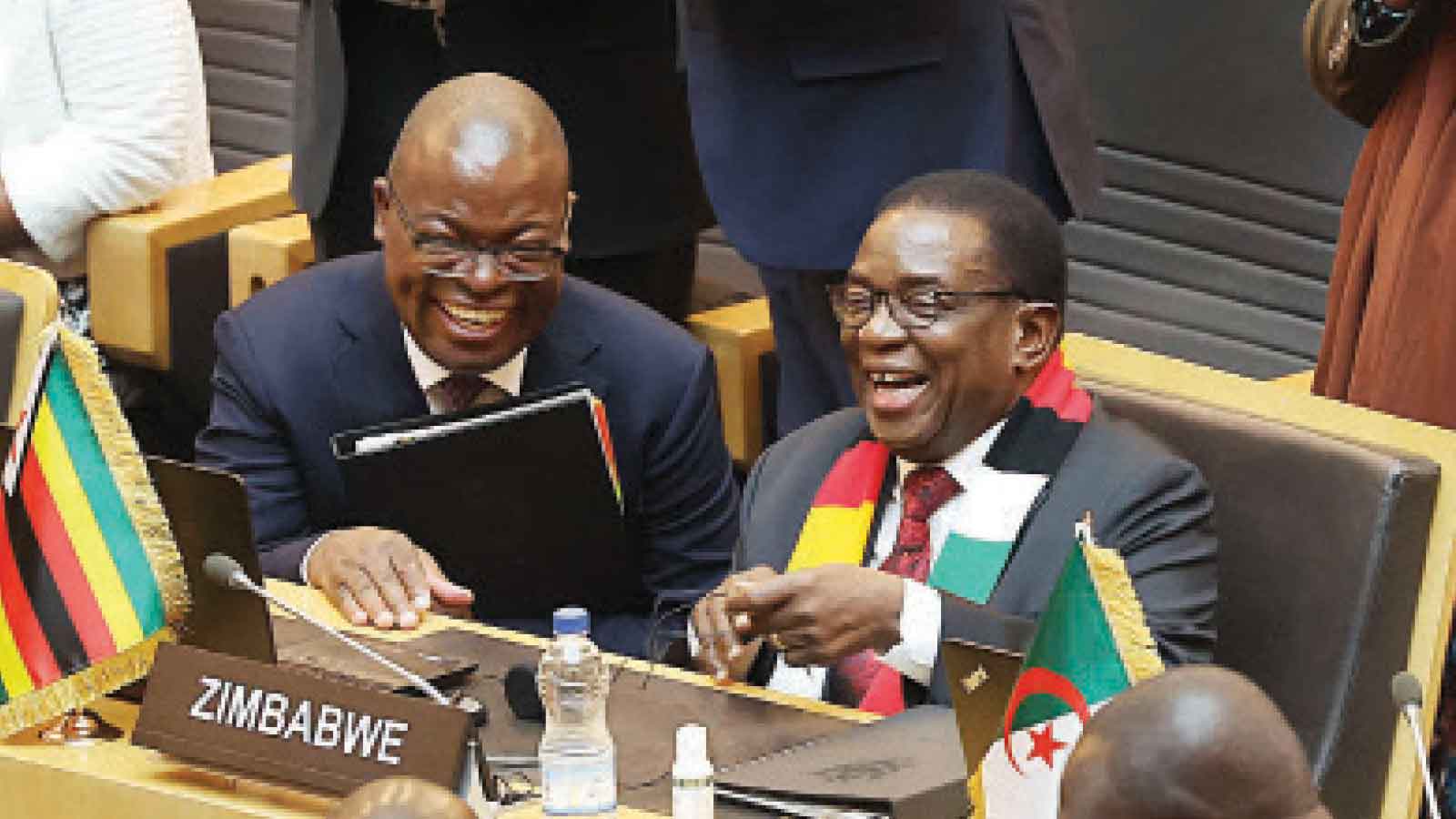
WITH the weakening of global institutions and a tendency for at least some great powers to act unilaterally or aggressively in support of their closest allies, Africa needs to take charge of its own affairs and be able to generate a lot more practical home-grown solutions for African problems.
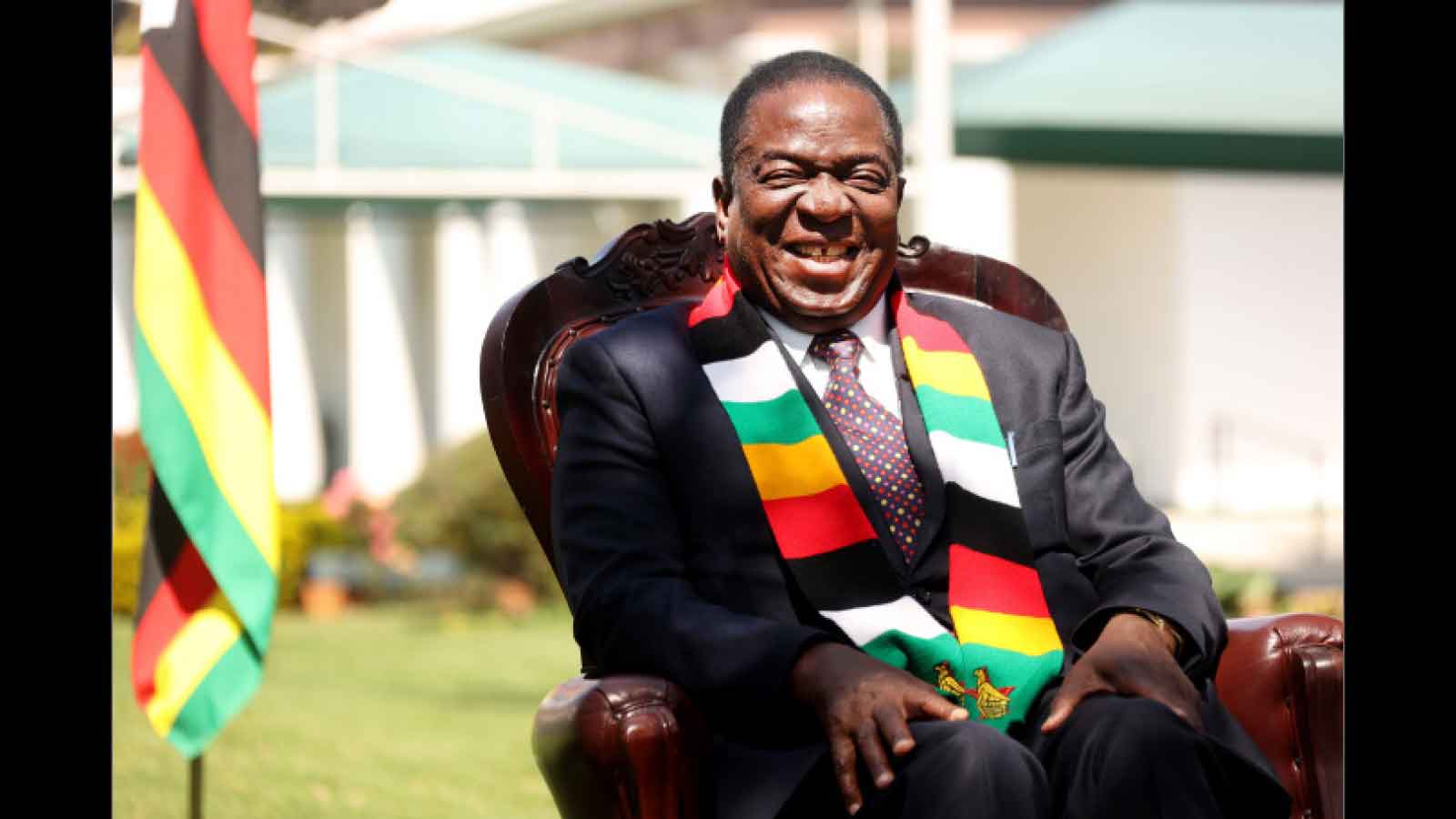
As President Mnangagwa was stressing at the African Union Summit in Addis Ababa, Ethiopia, at the end of last week, this requires more than just making political statements that will generate polite agreement across most the continent.
It all requires action and the capacity for action so that Africa can find its own voice, make that voice heard and, most importantly, find solutions to African problems.
He brought up several areas where progress now needs to be accelerated, including security concerns, diplomatic efforts and converting the successful regional economic units into the building blocks of a continental economic system.
None of this will be simple or easy. But that is not the point. Under President Mnangagwa Zimbabwe has shown during the Second Republic that a lot can be done, building up one brick at a time. We do not have to wait until everything is in place continentally for a final structure.
We can follow the same concepts and build on our past successes, learn from our past failures and get something that works while being flexible enough to change as times change and older problems are solved, or at least ameliorated, and new challenges arise.
One area the President brought up was the activation of an operational African Standby Force. Several successful operations have been conducted at regional level over the years, largely because neighbouring states do talk to each other and allow their experts to work closely, so that when an emergency arises, an ad hoc force can be assembled that suits the circumstances.
We saw this in recent years in Mozambique’s north east Cabo Delgado province where an insurgency group started trying to seize power from 2017. SADC reacted. A back-up force was assembled and other measures, such as advanced military training, were put in place.
Another useful point was that Zimbabwe, which has very well trained troops and learnt the hard way to have a solid training system in place, was asked to take a lead in training Mozambican forces. Again we were using regional strengths.
African troops have been used extensively in recent times as peacekeepers in African operations under the United Nations, and any African Standby Force would obviously draw on this experience, implying that we need to build up the logistical support such forces need, even when military units are rotated in an out, if we do not want to live off outsiders.
One crucial point about such a force would be for early and rapid deployment. It is far easier to put out a small fire shortly before it starts than have to wait until it is some sort of inferno.
And we also need to be able to maintain our forces to back what our political and diplomatic measures are working on, rather than have some outsider muscling in, grabbing credit and then not having the slightest idea of what to do, and probably not caring. We saw that in the Great Lakes area over the last year or two.
The actual military part of a Standby Force would be put together quite quickly.
All African countries have some high-level and well-trained units that could be rotated in and out of regional brigades or the like.
What we also need is our own logistical capacity to move and support these forces, and here we have been over-reliant on outsiders. But even these needs can be minimised when the force is built up on regional blocks, so neighbours can be centres of regional support.
We expect, given the right support, military professionals could quickly work out what needs to be done.
Some of the instability comes from unconstitutional changes of government, and here the African union needs to continually build its capacity to ensure all change is constitutional and reflects the will of those who are governed.
We are getting there, but perhaps a bit too slowly with some sudden reverses. So we cannot relax.
The President was clear that Zimbabwe still saw the best way forward was for AU-led engagement efforts, to restore constitutional order through inclusive political processes, clear transition timelines and returns to democratic governance.
This is solid, backbreaking work, but generally is the only way to get lasting results.