Online Reporter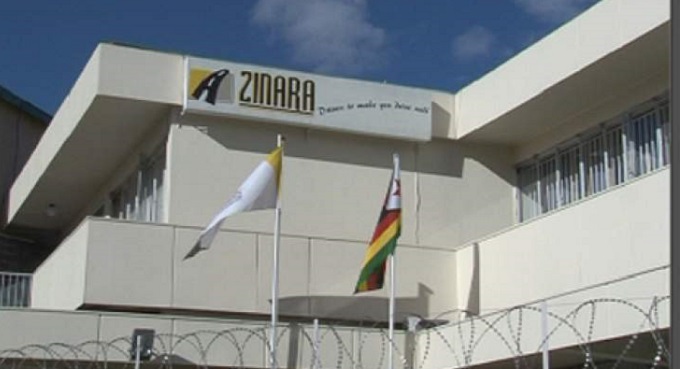
THE Zimbabwe National Roads Administration was one of the worst-run parastatals at the beginning of the Second Republic in 2017. However, it is now routinely setting new standards of efficiency, proper administration and being a model of how a State authority should function.
After receiving its first clean report for 2023 from the Auditor General, it has just shown that this was part of its new routine efficiency, with a clean audit report for last year. This time it was able to hold it’s Annual General Meeting within six months of the end of a financial year and present these audited accounts in public within the deadline.
Clean accounts are admittedly just a starting point when looking at managerial efficiency, but it is impossible to make sensible managerial decisions without knowing exactly what is going on and having all income and expenditure properly and legally accounted for. And good accounts mean that all this is transparent and out of the shadows, so that it is easy to see.
A clean audit means more than a lack of corruption or abuse of public office, important as that is. It means that the accounts are being properly kept and the rules followed all the time so that what is happening can be seen clearly, allowing better management and more efficient administration. It also ensures that all staff, from the top down to the lowest ranks, are doing their jobs properly.
That is important in such a decentralised organisation as Zinara, where every tollgate and little office selling vehicle licences has to be staffed by people needing minimal direct supervision and able to do a good job because they have been properly trained. That is the sort of corporate culture that now exists at Zinara.
So we now know that 88 percent of the money Zinara collects in tolls, licence fees and a fuel levy is spent on roads, with the whole of the administration and other costs accounting for just 12 percent. It is likely that with the rising number of vehicles, and with more foreign traffic transiting Zimbabwe because Zinara has paid for better roads, that the administrative percentage can continue falling.
The sort of administrative efficiencies Zinara likes introducing, taking maximum advantage of modern technologies and databases, means that the same number of tollgate and clerical staff in licensing offices can handle the increasing workload, seeing more revenue from the same overhead expenses.
What we now have, and what Zinara with its modern culture has made routine, is what was originally intended when the road authority was set up to take over the vehicle licencing from the 92 local authorities with their different fees and efficiencies.
By setting up the road tolls, Zinara took the financial burden of the national highways from the taxpayer to the highway users.
The mess at the beginning of the Second Republic was well known, with the National Assembly’s Committee of Public Accounts preparing a fairly damning indictment, managerial staff disappearing in handcuffs on corruption charges, and a board and management that saw Zinara as a large trough for them to feed from, even buying home gyms for senior staff and fancy Christmas hampers for directors.
After the initial shovel work at the start of the Second Republic, we have seen continuously improving audit reports until reaching the desired top standards in the last two, as accounting staff followed directives and upgraded their accounts.
At the same time the public has been ever better served and measures have been put in place that make corruption and abuse almost impossible in most circumstances, as well as installing a culture that places a premium on efficiency and professionalism.
Much of the progress was done by choosing suitable people to appoint to the board that oversees the authority. These are competent people who know what they were doing. From there, competent and honest managers were brought in and they have been doing a sterling job in supporting competent staff. There has obviously been training for those who need it but crucially, those who simply could not care have been gradually eased out.
This is the sort of standard expected in the best private sector organisations, as well was what should be routine in the public sector. The turnaround at Zinara, and now its new culture of demanding continuous efficiency, shows that everyone can reach the standard.
The Minister of Transport and Infrastructural Development, Felix Mhona, was judged the best Cabinet Minister for last year, and Permanent Secretary Joy Makumbe as the best permanent secretary. Part of that achievement, which includes so much of the road reconstruction and infrastructure development, was built on the fact that Zinara, the funding source for the road works, had been fixed so it was producing the funds.
The ministry itself is spending its share properly, not just on the reconstruction of the national highways but on the regular maintenance that the new roadworks need to be kept at the top level, with the inevitable wear and damage fixed while it is still low level and cheap to do so. The ministry has also been able to make very good use of its special funding for fixing up so many bad urban roads.
Where problems still lie is with the local authorities, which all receive Zinara funds, at least so long as they can account for the last batch of money they received. Zinara now insists its accounting standards have to be adhered to right down the line by those who get the money it collects.
It is not demanding anything complicated, just an account of what roadworks were done at what cost using the last tranche of cash. While some quite modest rural district councils have no problems showing what they have done on their local roads, and many of those roads are still gravel but need regrading regularly and erosion stopped, many urban authorities seem to have done little or nothing and have been allowing their local roads to degenerate into something far worse that what is seen in an efficient rural district council.
While the tolls collected on national highways are spent on those national highways, much of the licence fee money is supposed to be spent by local authorities on their local networks, Zinara just collecting the cash and making sure it is accounted for but not allowed to do the work itself.
These days Zinara is doing its job and collecting the cash, so the next battle is to get local authorities to spend it effectively and properly.