admin
admin
The battle against corruption is waged on two legal fronts: first the criminal investigations that should lead to the gathering of evidence, the arrest and the trial of the suspected, but secondly the civil process of stripping the beneficiaries of what they illegally grabbed.
The two processes are related, but are also separate considering the different standards of proof required. In a criminal trial, the prosecution must prove beyond reasonable doubt that the suspect is guilty of corrupt activities, which are listed under a range of charges. In the civil action, it is necessary to show, on the balance of probabilities rather than the more rigid criminal criteria, that the source of listed assets was corrupt.
We have already had several cases as the Zimbabwe Anti-Corruption Commission and the Prosecutor General have been unable to prove beyond reasonable doubt that a suspect obtained wealth corruptly, but have still been able to win the civil case with a High Court judge agreeing that in the absence of any defence evidence of another source of wealth, that an unexplained surge in wealth and assets was very probably from corruption.
Of course, when a person is convicted of corruption the second stage of seizing the proceeds of the corruption is simple, as the proof in the criminal case can be recycled in the civil case as fact.
It is easy for the innocent and those with clean hands to successfully defend themselves against any wrongful criminal charges, and easy for them to produce the necessary paperwork to show that the source of their assets and wealth came from inheritance, business dealings, earnings or some other legal source.
So far judges have agreed that a total of US$100 million worth of assets were probably acquired corruptly and so they have signed off the necessary orders for the seizure of these assets. But this is only a start and there are cases being prepared or in progress to seek the seizure of more.
Besides assistance from the police, ZACC and the Prosecutor General have been able to call on the Reserve Bank of Zimbabwe’s Financial Intelligence Unit, the Zimbabwe Revenue Authority and the President’s Office to hunt down assets and track the flow of cash through what is often a fairly well-developed money laundry as the corrupt try to hide their takings.
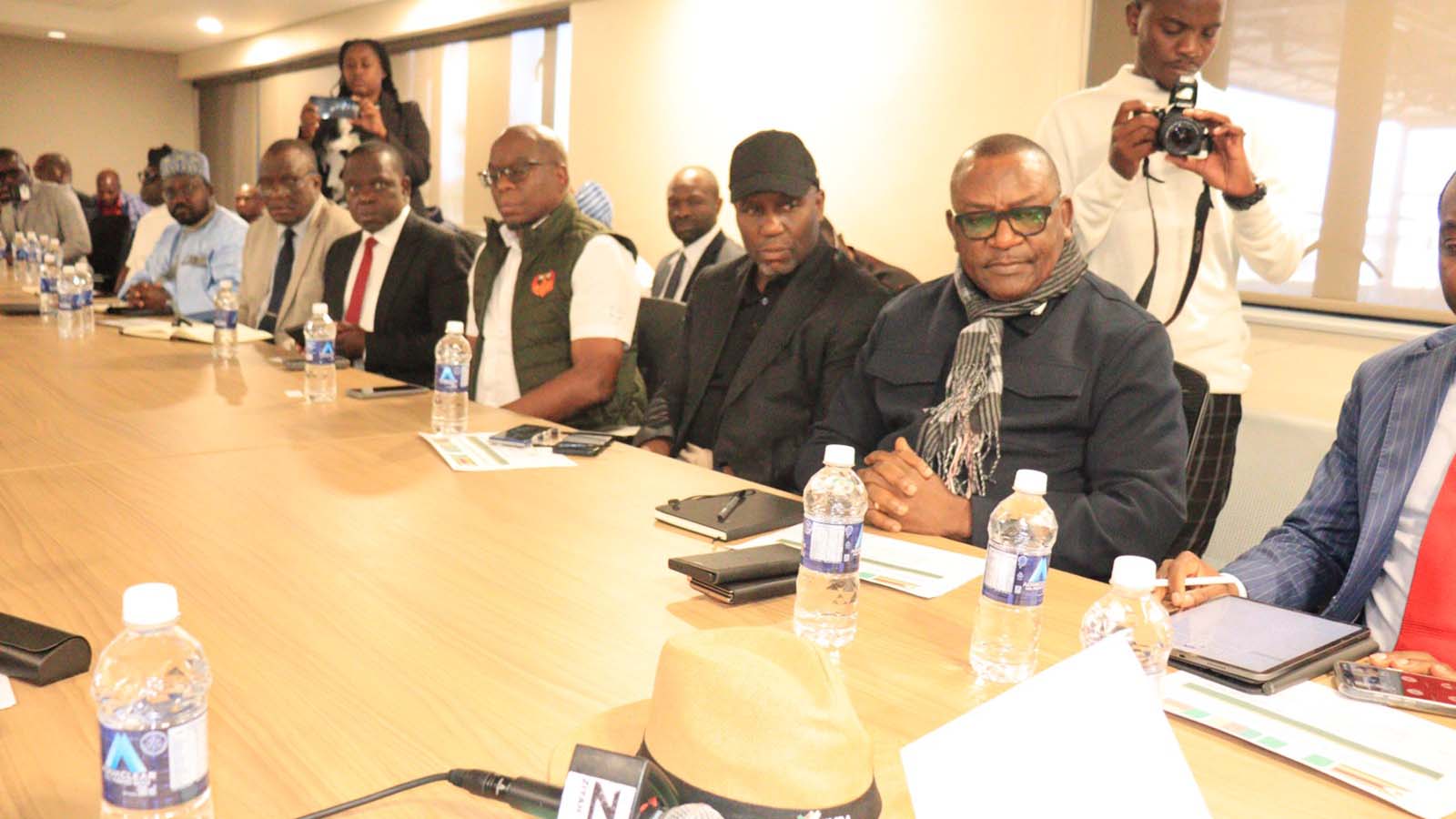
This has, according to a workshop this week involving all those hunting the corrupt and their money, found that a lot of those who illegally grab money get it out of the country, usually illegally, and park it in assets in other countries. Then either they manage to slip out a step ahead of the hunters to join their money, or they at least can leave Zimbabwe at the end of their jail term and have a happy reunion with their stash.
So now there are efforts to get hold of this money or assets in the foreign countries. This will be in many cases a long and involved legal process in the foreign courts, and in some cases requiring the co-operation of the authorities in those countries.
In theory this should be forthcoming. No country likes to be known as the hidey-hole of criminal takings, or a sanctuary for criminals. That is why extradition treaties are signed and why there are processes that allow the authorities in one country to seek aid in another. But again everyone needs good evidence.
Many of those who sent their money out of Zimbabwe or skipped the country one step ahead of the law, have been claiming that any action of the anti-corruption authorities in Zimbabwe is politically motivated, and that not only are they pure as fresh snow but are also almost a hero for getting out in time before the Zimbabwe Government could catch and try them.
Sometimes these appeals have worked, or at least have put sufficient barriers in the way for effective action to get the money back.
However, in the last few years President Mnangagwa’s diplomatic offensive of engagement and re-engagement has been dramatically improving relations with many countries, including those where some of the corruption money was transferred and hidden.
In their efforts to track down this money, which may already have been spent on houses and other assets and so a chain will have to be followed, the Zimbabwean authorities will be backed by the increasing global intolerance of money laundering and secrecy protection for dubious transactions and holdings.
It has become a lot harder for a foreigner to simply open a bank account in most countries and there are even international banking regulations that make it more difficult in the business world for those countries where banks do not batten down on money laundering. Part of this is a general clean-up and part was a reaction to terrorist movements moving money around to fund operations.
Most countries now concur that those who leave Zimbabwe are highly unlikely to be political exiles, since anyone living in the country can openly stand for office and criticise the President and Government quite robustly without any problems. Our democratic credentials are generally recognised.
Our courts are considered to give a fair trial to those charged with criminal offences, following standard rules of evidence and proof common around the world, and being fair in civil cases, again applying normal judicial rules.
So if anyone wants to leave, that will be for personal reasons, which could in some cases be a reluctance to face a corruption trial, but that cannot be termed political action.
Our authorities, who are seeking to reclaim the dirty money sent out of the country will, of course, have to have the evidence and the other legal requirements met when they present their applications, but they are now used to that since they have to follow the same rules within Zimbabwe.


 Online Reporter