UNDER the Second Republic, Zimbabwe has shown high levels of economic growth and stable economic environment despite illegal sanctions imposed by some Western countries a quarter century ago, with the sustained diplomatic offensive of engagement and re-engagement led by President Mnangagwa ameliorating some of those sanctions.
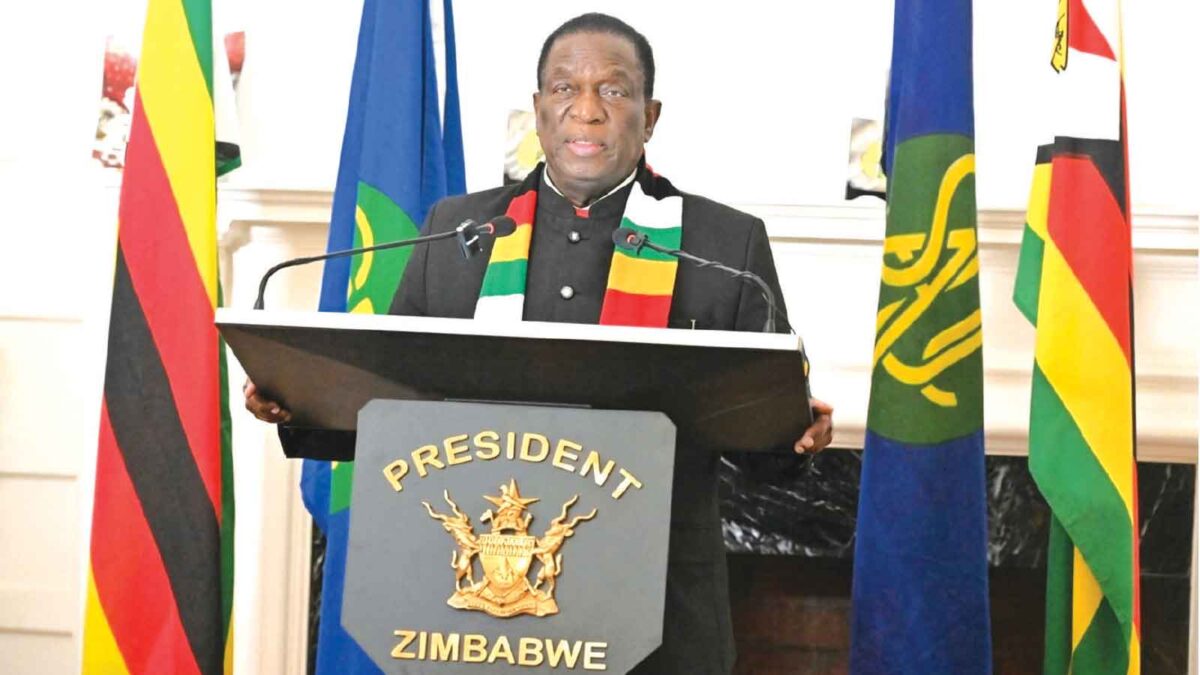
Speaking on the occasion of the SADC Anti-Sanctions Day this weekend, President Mnangagwa stressed both the national progress as the country overcomes sanctions, the success of the diplomatic offensive, and the continuing requirement that all sanctions and vestiges of sanctions are removed.
The fiscal and monetary successes have even seen serious progress in assembling a consensus to rescheduling Zimbabwe’s debt arrears and burden, which at least opens the possibility of accessing the development finance that would help accelerate growth, although that would still require a significant voting majority in global institutions.
Zimbabwe’s international standing has risen considerably, as highlighted by the election with a huge majority to a non-permanent United Nations Security Council seat for next year and 2028 and President Mnangagwa taking his turn to chair SADC and now Comesa for a year.
But, and it is a big but, growth would have been even faster without sanctions and despite some decisions to ease or not fully enforce sanctions, their legal basis in several countries remains in place, even when they are illegal under international law since they were not imposed or approved by the United Nations.
So Zimbabwe consistently presses for the complete removal of sanctions, and our neighbours in SADC continue to back this stance every October with the SADC Anti-Sanctions Day.
The neighbours argue that sanctions against Zimbabwe harm everyone in the region, since pressing down on a member in the centre of the bloc has adverse effects across the bloc.
So, just because we are moving forward under our own steam and sustained national efforts that include just about everyone in the country does not mean we accept that anyone has a right to impose unilateral sanctions and that we agree to continue living under those sanctions that are still applied, or which could easily be reapplied or intensified by a simple stroke of a pen.
The Second Republic since President Mnangagwa assumed office has led the national effort to sort out finances, our trade and our international relations. This effort has been backed by an overwhelming majority of Zimbabweans, who all want a better life.
So the private sector has done more than just cheer on the Government, but has played an active role in growing the economy.
Investors from many countries, but more particularly from those countries that rejected sanctions against Zimbabwe and so would not face legal troubles back home, have responded to a revamped and sensible set of policies and moved in.
Zimbabwe’s development needs are growing, as President Mnangagwa noted. Climate change, energy supply disruptions and international transport and trade disruptions all add to the cost of doing business and often require nations to accelerate programmes that will allow them to cope with these changes more easily.
This means more multinational partnerships and more international engagement. No country can be isolated from the world, and Zimbabwe being a small landlocked country at the tail end of many transport routes obviously needs to be an active member of the global community.
This is one reason why President Mnangagwa has so consistently stressed regional co-operation within SADC and Comesa, as both ourselves and our neighbours need to push our prosperity to create those markets that industrialisation needs to be viable and progressive.
Domestic production has been rising sharply under Second Republic policies, and while that rising production has helped overcome sanctions, it is also creating a vibrant and innovative industrial base and expanding the range and value of the products we make and sell as we convert what we grow and mine to higher value goods.
Zimbabwe has no wish to ration investment or trade, a sort of reverse sanctions, and is ready to welcome all potential investors and anyone who wants to buy what we make.
A final and complete removal of sanctions would widen the base of investment and increase our trade, both highly desirable goals.
That is the major reason why we want all sanctions, even those largely in abeyance, to be removed so that all investment and trade decisions are made on pure commercial grounds, where we are rather competitive.