

 Online Reporter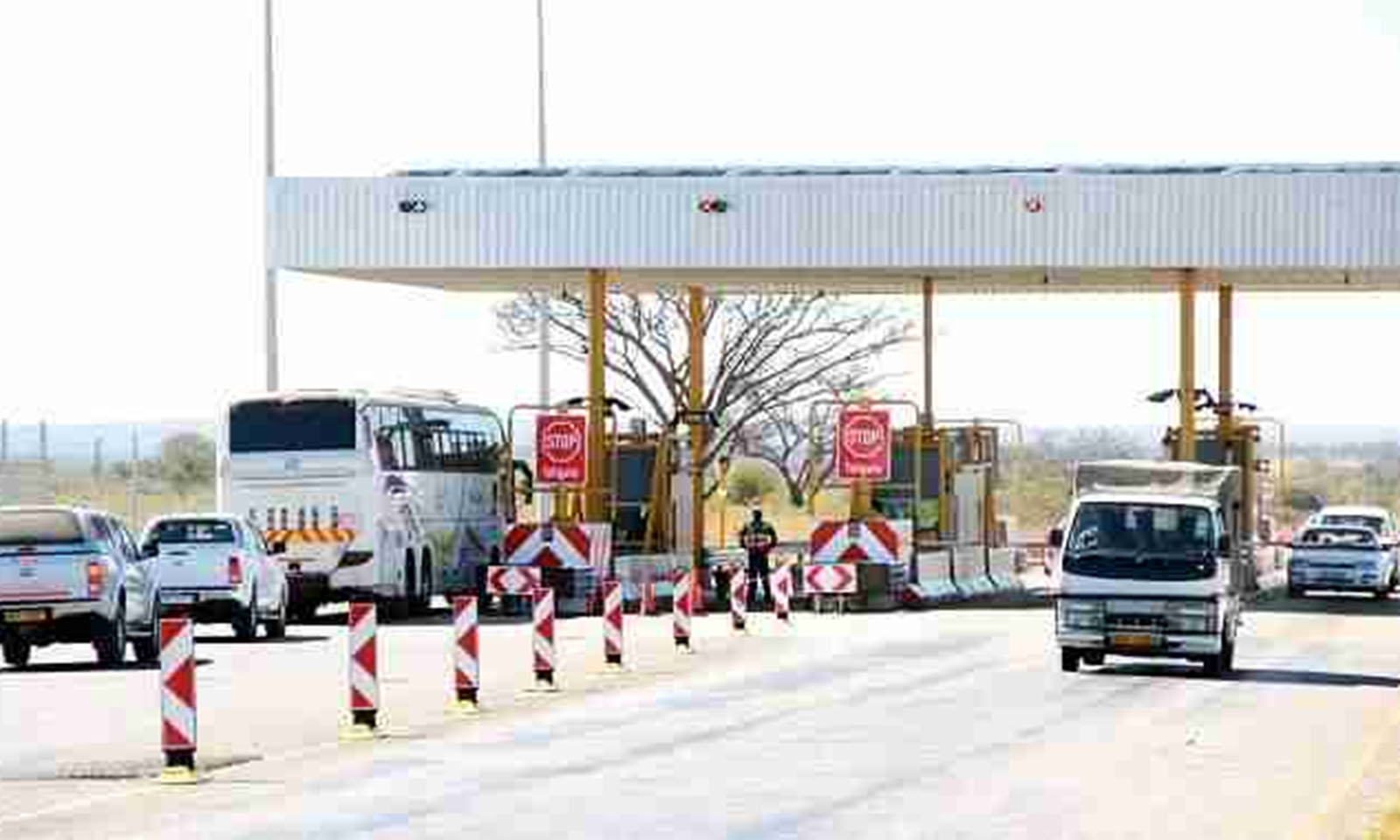
ZIMBABWE’s major highways needed more than routine maintenance a little over a decade ago when the first contracts were awarded for what amounted to rebuilding in many cases.
The work was not just rehabilitation, but included a great deal of upgrading, the demands of modern road traffic being far in excess of what the planners in the 1950s and 1960s were expecting when they rebuilt narrow tar and even the surviving strip roads into modern two-lane highways. Generally, those engineers got the alignments right, but they were dealing with far less traffic and significantly smaller vehicles.
These were also the days when most heavy and bulk cargo, and a fair amount of passenger traffic, went by rail, so the roads carried a lot less of the burden of modern commerce. Those old roads lasted remarkably well but by the 21st Century were definitely showing their age and needed more than just maintenance.
The first to be rebuilt was the main east-west highway, the Mutare-Harare-Bulawayo-Plumtree combination of national highways. An external South African contractor came in and, while it hired Zimbabwean sub-contractors who were able to build up their expertise and equipment assets, it was in some ways a low-point for Zimbabwe, having to rely on outsiders.
Finance for the national highway network was supposed to come from the tollgates that were being set up with the money channelled through the Zimbabwe National Roads Administration (Zinara). While that east-west highway work was completed in 2015, the financial complications were only sorted out after the advent of the Second Republic and that determined and successful effort to convert Zinara from one of the worst administered parastatals, with some serious corruption, to possibly the best run parastatal collecting the money required for roadworks.
At the same time the Second Republic found that there was a group of highly competent local contractors now ready to do the work, and after a brief examination and cancellation of a proposed earlier foreign contract, the new system of using local contractors and local finance raised by Zinara was set up.
The one remaining problem was that a lot of work really needed to be done simultaneously. In more normal circumstances highways would be rebuilt, as they were originally built, one at a time. But that would take too long and would condemn some very important sections of the economy to limping along with inadequate roads for too long.
The first priority was still the main north-south highway, the Beitbridge-Masvingo-Harare-Chirundu route, split into the two sections of south of Harare and significant and major progress has been made, with the southern portion now almost complete and work starting on the northern portion.
However, also critical was the other main north-south route, the Bulwayo-Victoria Falls highway which carries a fair amount of commercial traffic, the “power centre” of Zimbabwe being at Hwange as well as the tourism centre at Victoria Falls. In addition it is the main tourism route, past major wildlife areas on the way to the Falls.
More to the point, when you look at fairness, the users of the breaking-up road were paying their tolls and so were entitled to having something respectable to drive on for their money. Emergency repair work was done, and that helped somewhat, but it soon became apparent that this was not even an effective short-term solution and the major works had to start soon.
This year the tenders were floated, adjudicated and awarded with five contractors brought in. They have spent the last month cutting diversions, with the first such diversion now ready, and this week the first lines of traffic are being diverted around one section while the first contracting team starts the reconstruction of a section of the highway.
It is going to be a difficult time, estimated to be 10 months, while this vital highway is rebuilt to modern standards for modern heavy traffic, but so long as work is in continual progress people will put up with the inconvenience. It is when there is just talk and nothing really happening on the ground that people get irritated.
In many ways, it is unfortunate that so much work has to be done simultaneously, although the fact that the local contracting sector has enough capacity to cope is a major plus, and will mean that as finances are expanded, work on other highways can be done.
The Government has put in place a dual system of tolls. They are double on the completed sections of rebuilt highway and, it has been interesting to note, road users have not been complaining about the higher fees when they drive on decent roads, although they would almost certainly complain if they had to pay that much money for an old and badly maintained road.
As Zimbabwe sorts out its debt arrears and is able to access global development finance, it will be able to present solid models of effective financing for road networks. With Zinara sorted, there is a reasonable stream of finance for each major highway, and while the Government is making sure that maintenance even of the newest highways is not skimped, there is enough cash flow to service any loan taken out for a highway.
Once more development funds, carefully administered, can be made available, it will be possible to accelerate the road upgrading for the national highways, money being borrowed at low-interest rates on the security of the road tolls along the stretch of highway. The decent and audited accounts of Zinara will be able to show a finance provider the actual cash flows for the route where bridging finance is sought, and the returns that will be used to service that modest and fairly short-term debt.
After the major highways have been fixed, there will still be a lot of work for the contractors. Zimbabwe is moving towards dualising its core highway network, starting with the busiest stretches but eventually linking all these together. What is important is to make sure that maintenance of the newly built or rebuilt sections is done properly and in time.



