admin
admin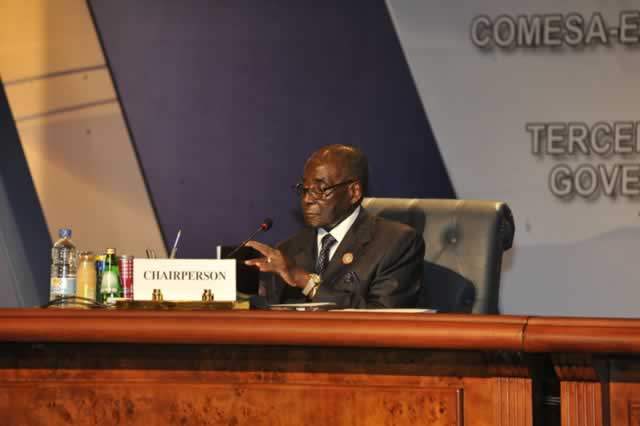
WE hail the setting up of a Tripartite Free Trade Area (TFTA) this week by three African regional trade blocs as it will facilitate economic growth and development on the continent. The new trading bloc will also lay the groundwork for the launch of the continental FTA in 2017. The Common Market for Eastern and Southern Africa (Comesa), East African Community (EAC) and the Southern African Development Community (Sadc) on Wednesday realised a decade long dream and merged into the TFTA during a summit in Egypt’s Sharm El Sheikh resort.
Leaders of the trade groups first mooted the establishment of the merged trading bloc, made up of 26 countries, in 2006 and this week that dream became a reality when 20 member countries signed the agreement that established the TFTA. Those that were not represented will sign the pact soon. The new bloc has a total population of more than half a billion people and a combined gross domestic product of $1.2 trillion, presenting vast opportunities for its members.
Under the TFTA, member countries have agreed to preferential treatment of goods and services among themselves, to encourage trade although negotiations for tariffs in specific sectors as well as rules of origin are still continuing. We are confident that the launch of the TFTA will act as a catalyst for African economic growth and solidarity.
It will also increase continental trade integration and significantly reduce the cost of doing business. The European Union is a good model of how regional integration works to reduce costs of trade and increases economic advantages to member states. Even economies in dire straits such as Greece have been bailed out by their counterparts in the EU — thanks to its membership of the bloc. In the TFTA scenario, the envisaged free movement of goods and relaxation of import duty will greatly reduce their cost to the benefit of the citizens of member states.
By signing the agreement, signatories instantly created a massive market for their goods — in this case to the tune of 500 million people. Harmonised customs and trade regulations under the agreement will facilitate exports and the expected expansion of businesses will create employment.
Synergies and investment partnerships will also be easily struck while the general quality of goods produced and their competitiveness on the global market will be enhanced. African companies will also compete favourably against foreign multinationals and conglomerates as they leverage on their synergies. Africa will have a strong impact on the global economic trade issues as it speaks with a single voice.
Zimbabwean companies should therefore be readying themselves to benefit from the launch of the TFTA by familiarising themselves with the agreement and taking steps to comply with its requirements. We are glad that the Tripartite Summit directed member countries to expedite the process of operationalising the TFTA by finalising outstanding issues.
These include elimination of import duties, trade remedies and rules of origin. Countries were also asked to initiate the ratification process through their legislative assemblies with the agreement coming into force once ratification is attained by three quarters of the member states.
African Union chairman President Robert Mugabe, who presided over the historic signing ceremony, hailed the TFTA as a powerful magnate to trade and investment that would reduce the cost of doing business.
He said the arrangement was unique as it makes a huge contribution towards achieving the Continental Integration agenda.
“This (the Tripartite FTA) is almost half the membership of the African Union, with a combined population of 625 million people and a gross domestic product of $1.3 trillion. If the 26 countries were one country with such a GDP, the tripartite would rank number 13 in the world.”
President Mugabe said the implementation of the Tripartite FTA underpinned by infrastructure and industrialisation, provides the basis for the structural transformation of the member states economies, from low productivity economies that export primary commodities without value addition, to high productivity economies that participate in the global economy through the production and export of high value processed products that are technology and skills intensive.
The President said it was important for African countries to look, within themselves, ways of extracting maximum value from the exploitation of their finite natural endowments.
He said that it was only through value addition and beneficiation that the continent could create sustainable jobs and bring to an end the endemic poverty on the rich continent.
The President said Africa would remain trapped in the jaws of underdevelopment if it continued to export raw materials, which was on the hand export of jobs to overseas countries.
He said the historic decision taken to launch the Tripartite FTA reaffirms the whole vision and ideals of the champions of Pan Africanism namely Kwame Nkrumah, Gamal Abdel Nasser, Sekou Toure and Mwalimu Julius Nyerere who were convinced that the political and social economic liberation of Africa could only be realised through the creation of a United States of Africa.
We agree totally with the President.


 Online Reporter