dyton mupawaenda
All the older urban authorities in Zimbabwe started out as sanitary boards, with the very basic responsibilities of ensuring that there were enough private and public toilets, even if these were segregated, that sewage was collected and disposed of properly, that wells were protected, and that garbage was not allowed to pile up.
In those days before antibiotics, cholera, typhoid and other diseases caused by poor sanitation were incurable, lethal and hit everyone, rich or poor, so the largely successful idea was to stop them breaking out by making sure basic services were in place and that everyone obeyed simple sanitary regulations. It worked.
So the concern of President Mnangagwa more than 125 years later over the “medieval” state of too many urban authorities with their raw sewage running down open drains in the streets, their lack of adequate supplies of clean and protected water, and their piles of rotting garbage is understandable, along with his determination to make the urban authorities do their job.
The old sanitary boards were sufficiently good that they quickly acquired new powers and new responsibilities, some becoming full municipalities with a high level of self-government to tax residents through rates and licence fees and then provide the required services, from the basic sanitary services all the way up through decent roads, proper town planning and recreation facilities, public transport, proper waste removal and all the rest of the services a modern town or city is supposed to lay on. Some even built power stations.
Most did well, with this devolution of responsibility and rate collection, allowing the national Government to concentrate on national issues and after independence to start bringing the largely ignored rural population into the modern economy and kick start the provision of decent services in those areas.
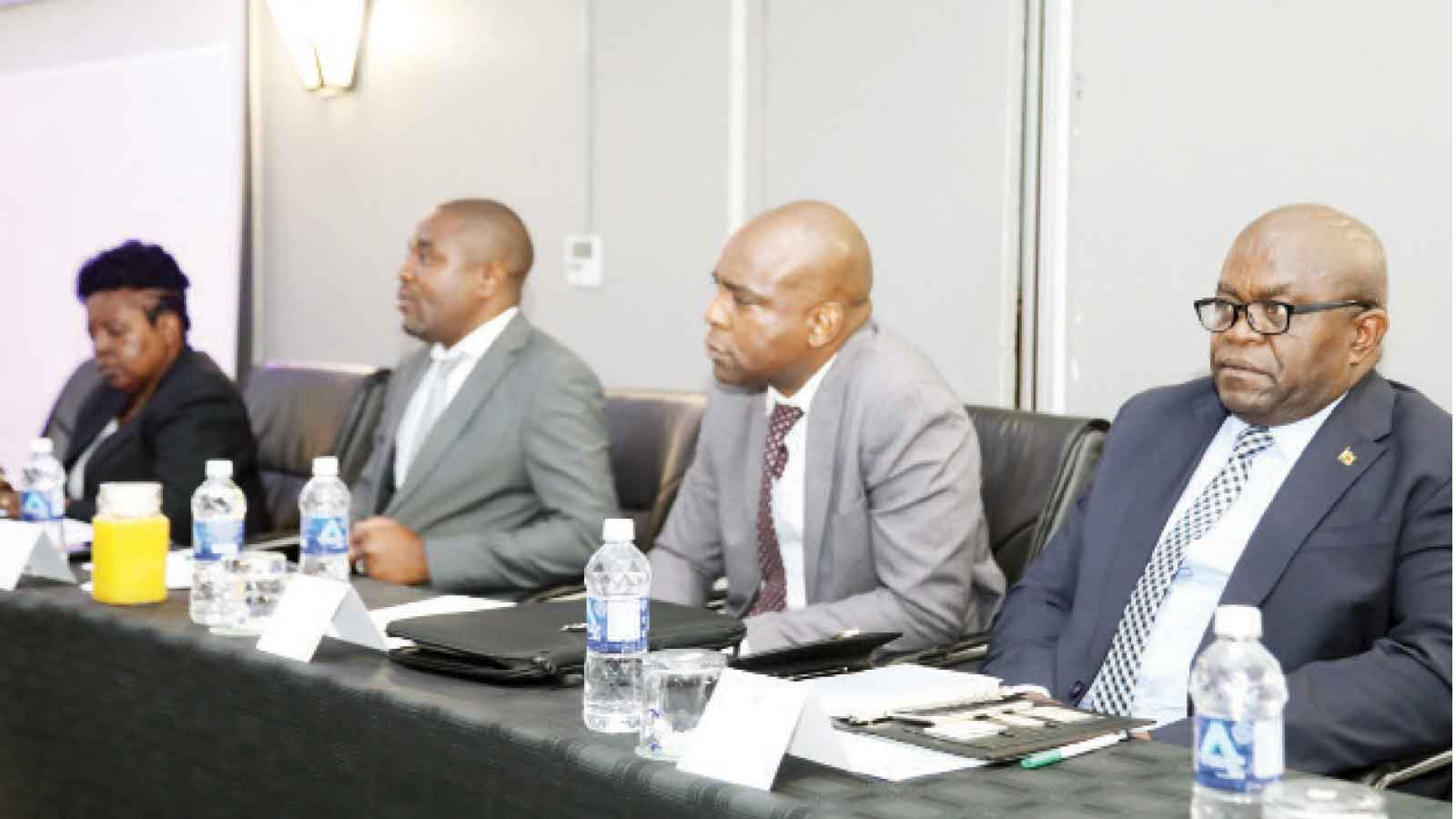
The President, when he was speaking to a high level meeting of all local authorities this week, stressed the need for all to bring their own services up to the sort of standards expected of an upper middle income country by 2030, the national Vision 2030.
The horror, of course, is that many urban authorities were pretty close to that Vision 2030 more than 20 years ago, supplying tap water 24/7 or almost 24/7 to all houses and businesses, running functional and effective sewerage and treatment works, collecting garbage daily from businesses and weekly from homes, keeping roads in reasonable repair, keeping most of the best stadiums in Zimbabwe up to scratch and generally providing the sort of environment that a modern city requires. They even made businesses paint their buildings.
There were some gaps from the top standards expected, but planning was in progress to fix this, from rebuilding the Mbare market onwards, and if those plans were implemented by the successors of the 1990s councils there would be only a few gaps left here and there for the Vision 2030 targets.
Instead we have had more than two decades of bad councils in most urban areas, those that do little and allow their infrastructure to deteriorate and then collapse, and allow their services to fall apart and often spend more time working out perks for councillors and top officials than improving what they inherited, or even at a push just maintaining it although improvements should be the normal goal.
President Mnangagwa was in some areas specific. He wanted the councils, now in their budget season, to consult widely within the communities they serve and take into account all sections and all ideas that seem worthwhile. While they claim to do this, it would be interesting to find out of any urban councillor has called a meeting since their election in August to discuss with those in their ward just what needs to be done and how much people can pay.
We have not heard of any meetings even though journalists are scattered across most urban wards.
We have already seen Harare City Council produce a budget, costed in US dollars, and dumped on a desk. It quite probably has some reasonable ideas, since it would have been drafted by professional officials following precedent rather than elected councillors who hide from ratepayers, but is thus unlikely to be dramatically innovative or even that workable in 2024.
The President has thought that one through and has asked the Ministry of Local Government and Public Works not to approve any local authority budget unless it “demonstrates achievable and acceptable service delivery levels”.
Both requirements are needed. Broad consultation and people-centred policies are needed for the “acceptable” test, since no one likes, as even the council acknowledges, paying out rates and getting nothing in return.
The “achievable” test needs to be more nuanced. Councillors love making wild promises, that they know cannot be achieved quickly and then blame the central Government, the global economy, the ratepayers themselves, the climate or anything and anyone except themselves.
Fancy rhetoric and grandiose promises are not needed. What is needed, as the President stressed, was the restoration of basic services, like the water supply, the sewerage system, the garbage collection, and others, perhaps one to two new clinics in the new suburbs each year and a new primary school every year.
The 2024 budget needs to concentrate on trying to bring Harare back to its 2000 status as a first step, and that as we have stressed would be far along the route to the 2030 vision.
Perhaps the Ministry could even enforce the standards of the old sanitary board of the 1890s, although with modern technology, but the same goals. And the same concept of building up from the basics.
Sure central Government has made a difference to many with its interventions, having first to declare a state of disaster in various aspects so it can repair and rebuild roads, so it can drill more than 300 boreholes, so that it can give orders over garbage collection.
But these are supposed to be municipal functions, and for almost 125 years were done reasonably efficiently in both colonial times and in the first couple of decades of independence with their greater fairness, by municipal councils.
So it is not impossible to realise the President’s vision. All it needs is for urban councillors and their officials, who these days are much better qualified than in the past, to start putting residents at the top of their priority lists, rather than themselves and their relatives, and then doing the obvious.


 Online Reporter