

 admin
admin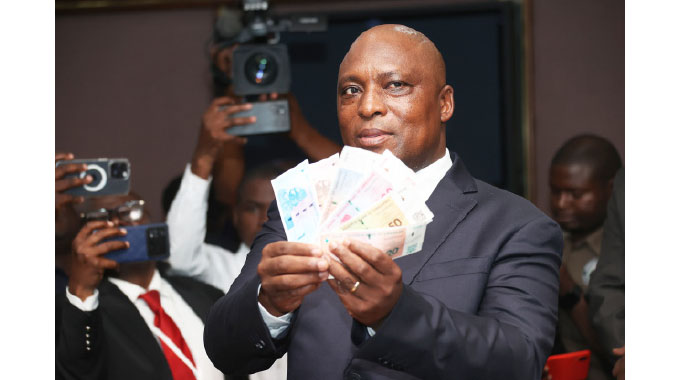
The introduction of the new ZiG currency for Zimbabwe on Friday by the Reserve Bank of Zimbabwe, with the death of old Zimbabwe dollar and automatic conversion to the ZiG confirmed with a statutory instrument, is a radical move to give Zimbabwe what it desperately needs, a trusted and stable local currency.
This is especially important because Zimbabwe has, and will be maintaining until 2030, the multi-currency regime and it is here that the question of trust assumes even greater weight. Almost all countries have a single national, or as is the case in most of Europe and in swathes of Francophone West Africa, a single regional currency.
That means that all dealings internally are in that single currency and, in a few cases, that currency can also be used to pay for imports, although most countries have to use one of the major global currencies for their external trading and for their servicing of foreign loans.
But the full internal use of the currency means that it has to be accepted by everyone, as there is no choice. Those earning foreign currency and those needing foreign currency switch between currencies at a commercial bank these days.
Almost all currencies float rather than having a fixed exchange rate with each other as was the case until the 1980s when any change in the relative value of a currency needed a formal devaluation or revaluation at Government level so the value of each currency is largely a result of supply and demand in normal business transactions.
As new Governor of the Reserve Bank of Zimbabwe Dr John Mushayavanhu appreciates, the multi-currency system does create strains most countries do not have, in that in Zimbabwe a lot of businesses and individuals want to store value with the US dollar, are very reluctant to sell any dollars they have and seem desperate to dip into the black market to buy, even if they do not need to.
This desperate desire for US dollars has created a lot of the problems we experience, although there were other factors that Dr Mushayavanhu has forbidden on his watch at the Reserve Bank, such as quasi-fiscal dealings and “printing money”, that is creating new money not backed by real increases in the size of the economy and consequent growth in the reserves.
While the new currency grabbed the headlines, the other measures announced by Dr Mushayavanhu were perhaps more important, since they are the critical measures needed to stabilise the currency and make the local currency fulfil the role it must fill.
The ZiG starts with the value of 1mg of gold, but changes in the value will be set by the dealings of commercial banks as they buy and sell foreign currency from willing sellers and willing buyers. The interbank exchange rate is not something set by any decree. It is the daily weighted average of the commercial dealings by the commercial banks, each of which has its own rates.
Banks are the only business that do not use the interbank rate, rather using their own rates which once the volumes of dealing at each bank are factored into the averages does create that interbank rate. So it is something that arises from pure market forces. It is used as the official rate, but is not set by either Government or the Reserve Bank, which, like everyone else, use the rate generated by the markets.
Dr Mushayavanhu has now announced that Zimbabwe will be joining the rest of the world by using the markets run by commercial banks for all currency conversions, with auctions and the like now removed, along with Reserve Bank interventions. He will be feeding in half the foreign currency that is surrendered by exporters, who have to sell off 25 percent of what they earn to Government as soon as it arrives in a Zimbabwean bank. The rest they can sell when they like and these sales are, in fact, the main source of foreign currency that banks sell to importers.
This switch to a pure market for currency transactions is something that the business world has wanted for some time, and is also one of the measures recommended by the International Monetary Fund, which is a purist in such matters.
Dr Mushayavanhu also stressed his determination not to create money, that is printing the stuff without backing, and his determination to stay out of quasi-fiscal operations, which in the past have also helped to create money without underlying value.
The Second Republic had, by late last year, moved almost all of these away from the Reserve Bank, placing fiscal operations where they belong, in the Ministry of Finance, Economic Development and Investment Promotion. The Ministry has no way of creating money, so has to follow economic and accounting rules.
The Second Republic has won plaudits, including from the IMF, for fixing the fiscal operations, that is with proper budgeting and controls. The budget deficit is now very small, and most importantly is only for those capital programmes that generate almost instant income that can be used to service and pay back the loans.
The final change was the slashing of the bank rate to 20 percent from the previous 150 percent, a rate put in place to combat inflation. This implies that the RBZ does believe the new backed currency will produce a stable exchange rate.
With monetary and fiscal policy now both sorted out, the new currency comes at the right time, to mark the moment. In announcing the change Dr Mushayavanhu carefully pointed out that the foreign currency reserves are slightly in excess of the amounts of ZiGs that exist and far more importantly the value of the gold reserves, that have been built up on the half of mineral royalties now assigned to reserves, are more than double the value of the pool of local currency, mostly in bank accounts. So the ZiG has real worth.
We think that serious consideration should be given to fairly frequent updates of these figures, that is the amount of ZiGs that exist, the value of the foreign currency reserves and the amount of the gold reserves. This will help create and maintain the trust and prevent prophets of doom believing that cheating is taking place. In our odd circumstances, we need to take people into our confidence fully.



 Online Reporter