Online Reporter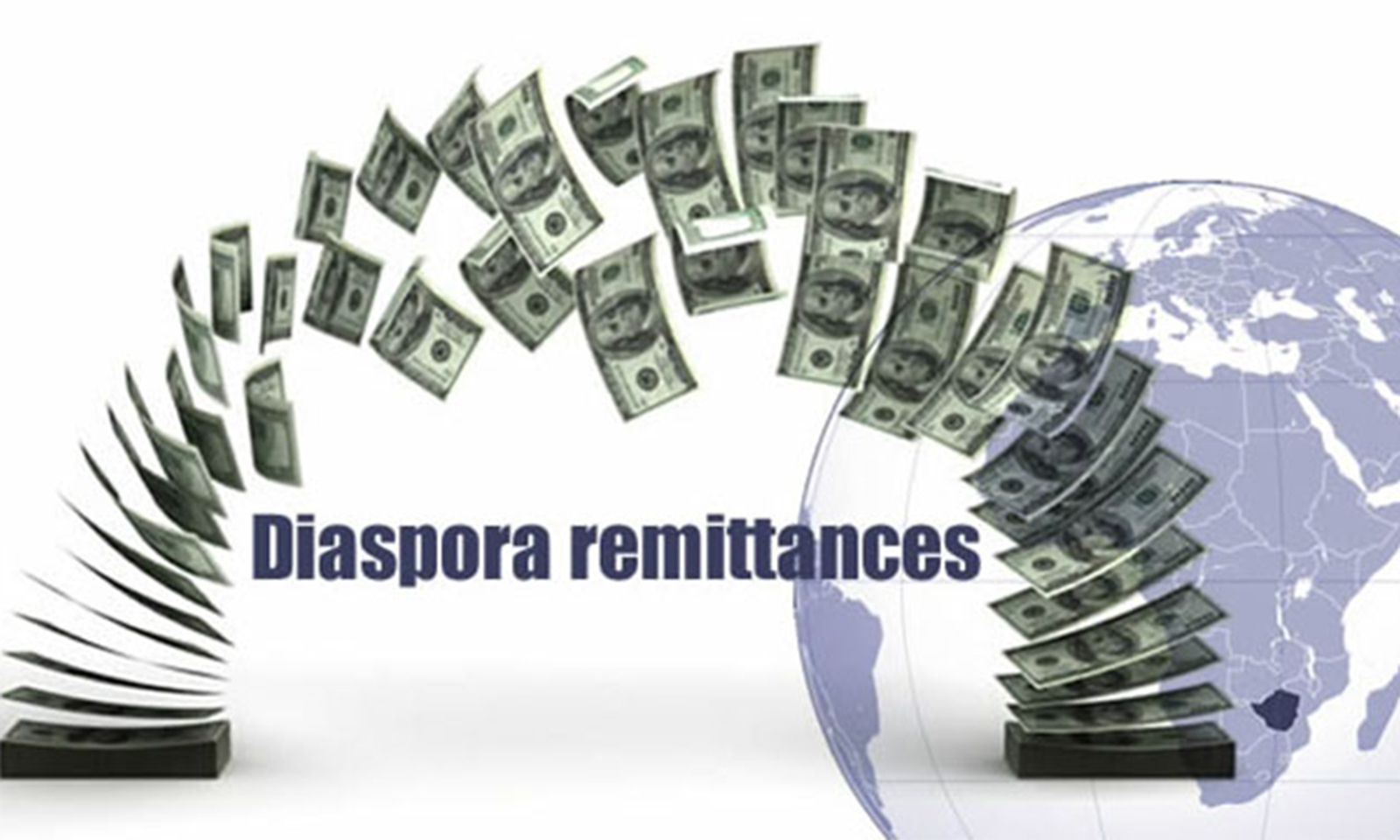
AMONG Zimbabweans living outside the country, there are some who have been doing well economically and while almost all in the diaspora maintain ties with their homeland and families, this particular group comprises natural investors in Zimbabwe.
Most in the diaspora send money home to families, although in many cases these are small sums to eke out pensions of aged parents, or help younger generations with school and university fees.
Some go a bit further and help with some of the funds needed to build a family home, which also gives them an automatic base in the country. That can be important when you travel a bit and have somewhere “back home” where you can take a break and just relax.
So the bulk of diaspora remittances, although small individually, total a very large sum and have helped Zimbabwe balance its current account for some years, so foreign currency inflows exceed outflows.
Even with the latest trend of a positive trade balance with exports exceeding imports, the remittances remain a crucial inflow for strengthening the general economic success, helping to build up the wealth of the country.
More recently, there have been those with more serious funds for investment as they make their mark in their new country, and Zimbabwe is a natural potential destination for such funds. For a start, Zimbabweans living abroad usually have very good knowledge of the country, and with relatives still living here, can get more precise information and separate out the decent opportunities from some of the more dubious schemes on offer.
Secondly, they are like other Zimbabweans keen to see their country succeed and to be proud to announce to neighbours and colleagues wherever they are now living that they are Zimbabwean, just as we are proud to acknowledge them as our brothers and sisters.
The pro-investment and pro-business policies of the Second Republic, along with the dual citizenship guaranteed for all Zimbabweans by birth, including those who acquire other nationalities when they settle or marry outside the country, are attractions.
Zimbabwe does not want handouts, but a diaspora investor is seen as an asset these days. This is enhanced by the fact that they can visit the country and even stick around for a bit, even if they are permanently settled outside the country, without any visa hassles makes it easier to start up their investment.
So among the Second Republic policies has been an outreach to our people living and working abroad. President Mnangagwa, with his determination to push Zimbabwean economic growth, almost always on foreign trips makes time to meet the diaspora community in every country he visits, and the Vice Presidents and most ministers, especially those involved with economic issues, do the same.
Now Government officials are being sent to business forums and expos outside the country which attract Zimbabweans from the diaspora to hammer home the message that we regard them as our fellow country people, and that even if they are permanently settled outside the country we still want to maintain our ties.
In the modern world people do move around for all sorts of reasons and many countries like to keep in touch with those from their own communities who now live elsewhere. The ties can be economic, but are always cultural as well. Many in the diaspora do want their foreign-born children to maintain ties with Zimbabwe and learn their background.
So the diaspora is not just a one-generation phenomenon, but often means several generations of a family liking the idea that they have roots in Zimbabwe. That in turn makes investment in the country more worthwhile, and can often help to maintain practical business ties between cousins, and second cousins and third cousins that go beyond just a family connection.
Of course, those investments need to be viable and profitable, and here the diaspora investor is in the same boat as other investors. Which brings us back to the solid economic success of the Second Republic and the general pro-investment policy.
As Zimbabwe develops, remittances to needy family members may start declining, as there will be fewer needy relatives. But at the same time the development success makes investment in Zimbabwe more worthwhile, so we continue to win economically.



 Bongani Ndlovu