THE attack on a Big Game bus in Chipinge is a shocking reminder that competition in our public transport sector is becoming dangerously violent.
What should be a legitimate contest for passengers and business has apparently degenerated into intimidation, sabotage and, now, the use of explosives.
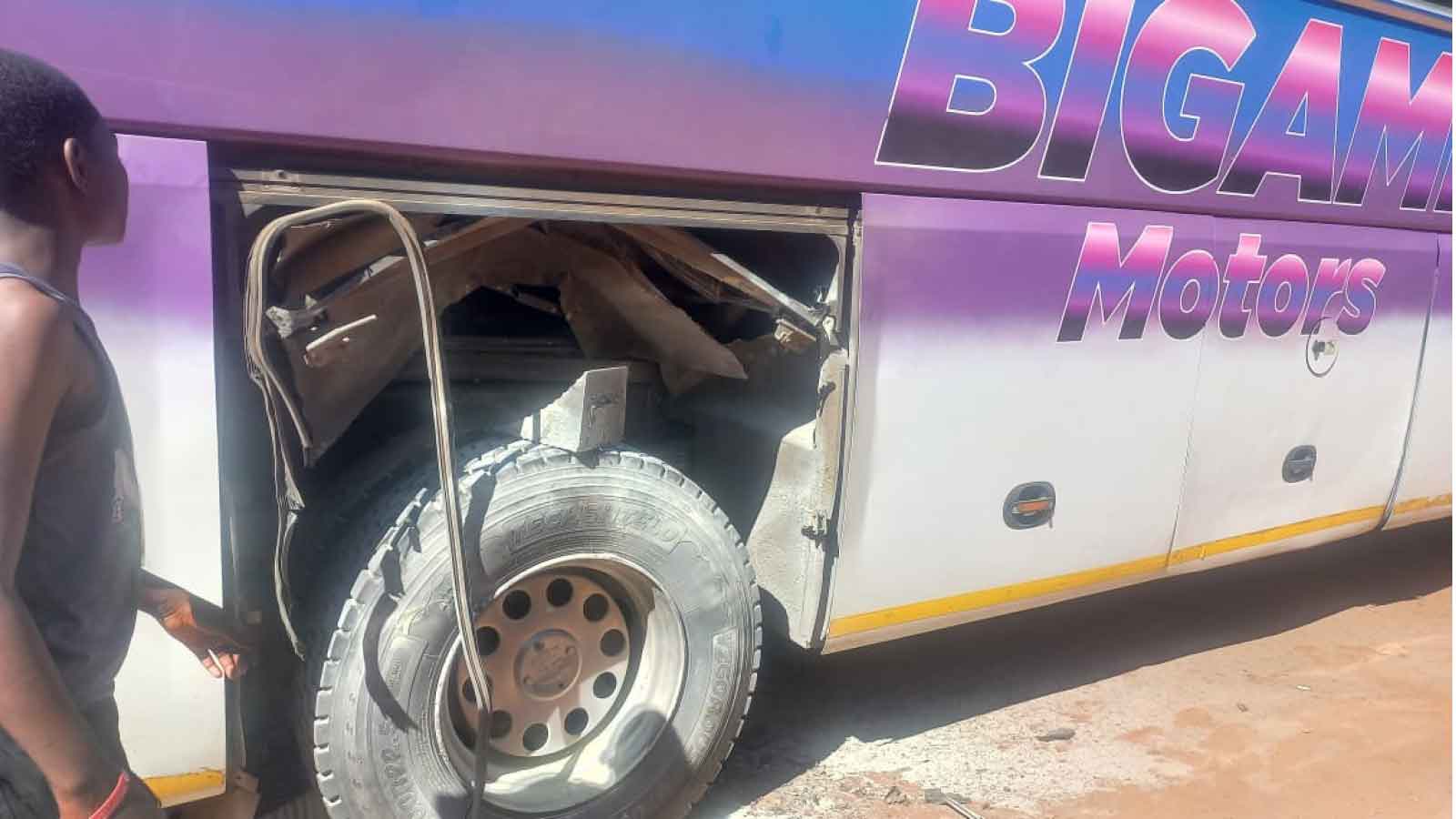
According to police, a person allegedly approached the Big Game bus parked at Chinheya Business Centre around 3am on August 21 and threw a detonator at its rear wheels.
The driver and conductor were sleeping inside but managed to escape unharmed. The bus was badly damaged, with the rear tyre and axle affected. Police are investigating the matter as attempted murder and malicious damage to property.
This is not simply a fight between rival bus operators. It is a direct threat to public safety. The most worrying aspect of the incident is that the driver and conductor were asleep inside the vehicle. Had the attack caused a larger explosion or fire, we could today be mourning the deaths of transport workers who were simply doing their jobs.
Worse still, such violence could easily spill over to passengers, innocent bystanders and other workers at bus ranks.
The so-called bus wars must therefore stop before they become a national tragedy. Competition is healthy.
Bus companies have every right to compete for passengers, provided they do so within the law. They can compete through better buses, punctual departures, reasonable fares, professional drivers, courteous crews and reliable services.
They cannot be allowed to compete through threats, violence or sabotage.
Chipinge residents have expressed fears that the escalating rivalry could eventually claim innocent lives.
The concerns are justified.
There is also a broader problem that authorities must confront: the culture of touting and aggressive passenger solicitation at bus ranks. Where competing crews and touts are permitted to operate without effective control, arguments over passengers can quickly become physical confrontations.
What begins as shouting can escalate into assaults, property destruction and potentially deadly attacks.
The police must, therefore, investigate the Big Game attack thoroughly and bring the perpetrators to justice.
But the response should not end with this particular case. Authorities need to examine the wider transport environment in Chipinge and other towns where competition for passengers has created tension between operators.
Bus operators themselves must also take responsibility.
No passenger is worth fighting over.
No route is worth a human life.
Businesses that provide public transport have a responsibility to protect their employees and passengers and to resolve commercial disputes through lawful channels. The Government and transport authorities should strengthen security at bus ranks, enforce licensing and operating regulations, identify illegal touts and deal firmly with anyone using violence to control routes.
Where there are allegations of organised intimidation, these should be investigated seriously rather than dismissed as ordinary rivalry.
Zimbabweans depend heavily on buses to travel to work, school, hospitals, markets and to visit relatives.
Public transport is therefore not merely another business. It is an essential public service.