Online Reporter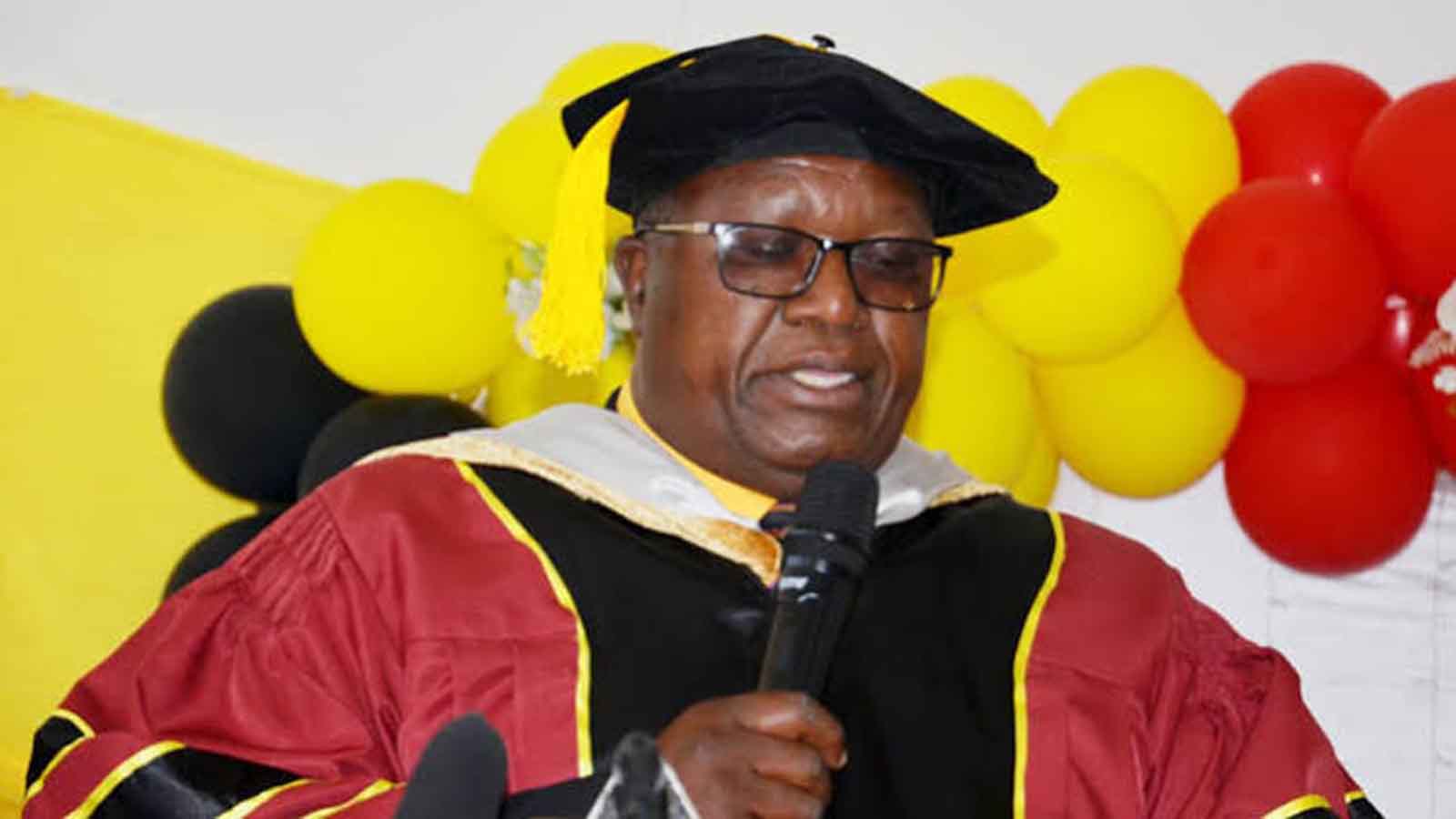
Muchaneta Chimuka
Veteran educationist, Dr Cleopas Kundiona, has implored teachers across the country to remain resilient and dedicated as schools reopen with Grade Seven, Ordinary and Advanced Level pupils preparing to sit for their final examinations.
Speaking at an education Indaba in Marondera recently, Dr Kundiona said teachers had a critical role to play in preparing learners who would drive the country’s development agenda.
He said the current cohort of learners represented the future drivers of President Mnangagwa’s Vision 2030, which seeks to transform Zimbabwe into an upper-middle-income economy.
“The education sector is a cornerstone of this national vision. The forthcoming examinations are not just a test of academic knowledge but a rite of passage for the future architects of our nation,” he said.
“We must equip these young minds with the fortitude and skills necessary to build the Zimbabwe we all envision by 2030.”
Dr Kundiona, who is the founder and president of the UMAA Group of Institutions, took a moment to extol the significant strides made in the education sector under the leadership of President Mnangagwa.
He noted that the Second Republic’s policies have fundamentally transformed the learning landscape.
“We have witnessed a remarkable boom in our education sector under President Mnangagwa’s leadership,” he said.
“We are seeing an unprecedented expansion of school infrastructure, modernising learning environments and ensuring no child is left behind, from rural areas to urban centres.
“This is in line with the Heritage-Based Education 5.0 model; the government is placing a greater emphasis on digital and industrial skills.”
He urged learners to prepare for life beyond examinations, fostering innovation and entrepreneurship for economic benefits.
Dr Kundiona praised the government’s commitment to equitable access to education, noting the expansion of programmes like the Basic Education Assistance Module (BEAM) to support vulnerable pupils.
“The provision of teaching and learning materials, alongside the construction of new schools in marginalised communities, is a testament to the administration’s ‘no one and no place left behind’ mantra.
“Furthermore, the introduction of the competency-based curriculum is a game-changer, and it ensures that children acquire scientific, innovative, vocational, and technical skills that empower them to become job creators rather than job seekers.”
He said the focus on equal access to Information Communication Technology (ICT) and internet connectivity in schools is levelling the playing field for all students, making them globally competitive.
Dr Kundiona also reserved special praise for the First Lady, Dr Auxillia Mnangagwa, applauding her as a beacon of hope and progress in promoting holistic education.
He said her various initiatives, including the National Careers Expo and cultural heritage programmes, which are instrumental in developing well-rounded learners.
“The First Lady’s relentless work in promoting our cultural heritage and guiding our youths is invaluable,” he said.
“Her efforts to ensure our children know who they are through programmes like Nhanga/Gota/Ixhiba, while also exposing them to diverse career paths, are shaping the character and vision of our future leaders.”