Online Reporter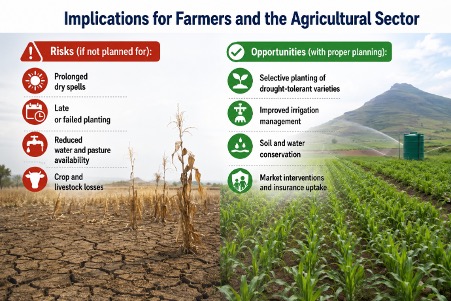
Audience: Zimbabwean Farmers, Policy Makers, and Agricultural Stakeholders
Subject: Strategic Planning for the 2026/2027 Season-Understanding El Niño and Managing Agricultural Risk
Key Message
- El Niño is NOT drought.
While the El Niño phenomenon often influences rainfall patterns and increases the risk of dry spells in Zimbabwe, it does not guarantee a drought every occurrence. - Drought is an extreme event, while El Niño is a climate pattern that shifts the probability of rainfall-sometimes resulting in dry, wet, or variable conditions.
Why This Distinction Matters
- Misunderstanding El Niño leads to poor planning.
Treating every El Niño as a drought year may result in missed opportunities, resource misallocation, and unnecessary panic. - Zimbabwe’s rainfall outlook for OND 2026–JFM 2027 (based on latest climate forecasts):
| October November December | January February March |
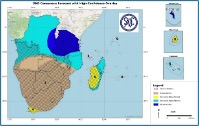
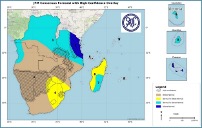
-
- Increased chances of below-normal rainfall (high confidence) over much of Zimbabwe.
- However, variability exists, and localized heavy rains or dry spells may occur.
Figure 2: Implications for farmers and the agricultural sector
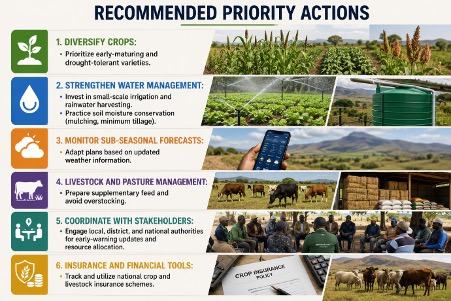
Figure 3: General priority actions
Advice for Policy Makers
- Allocate resources to contingency plans and social protection programs.
- Support farmer training on climate-smart agriculture and risk management.
- Maintain flexible import/export policies for food and agricultural inputs.
- Encourage public-private partnerships in irrigation and water infrastructure.
El Niño is a warning-NOT a verdict.
By understanding the difference and acting proactively, Zimbabwe’s farmers and agri-sector can reduce losses, seize opportunities, and build resilience regardless of climate uncertainties.
Plan now-El Niño is not drought, but lack of preparation can create one.
By H. Mugiyo