Online Reporter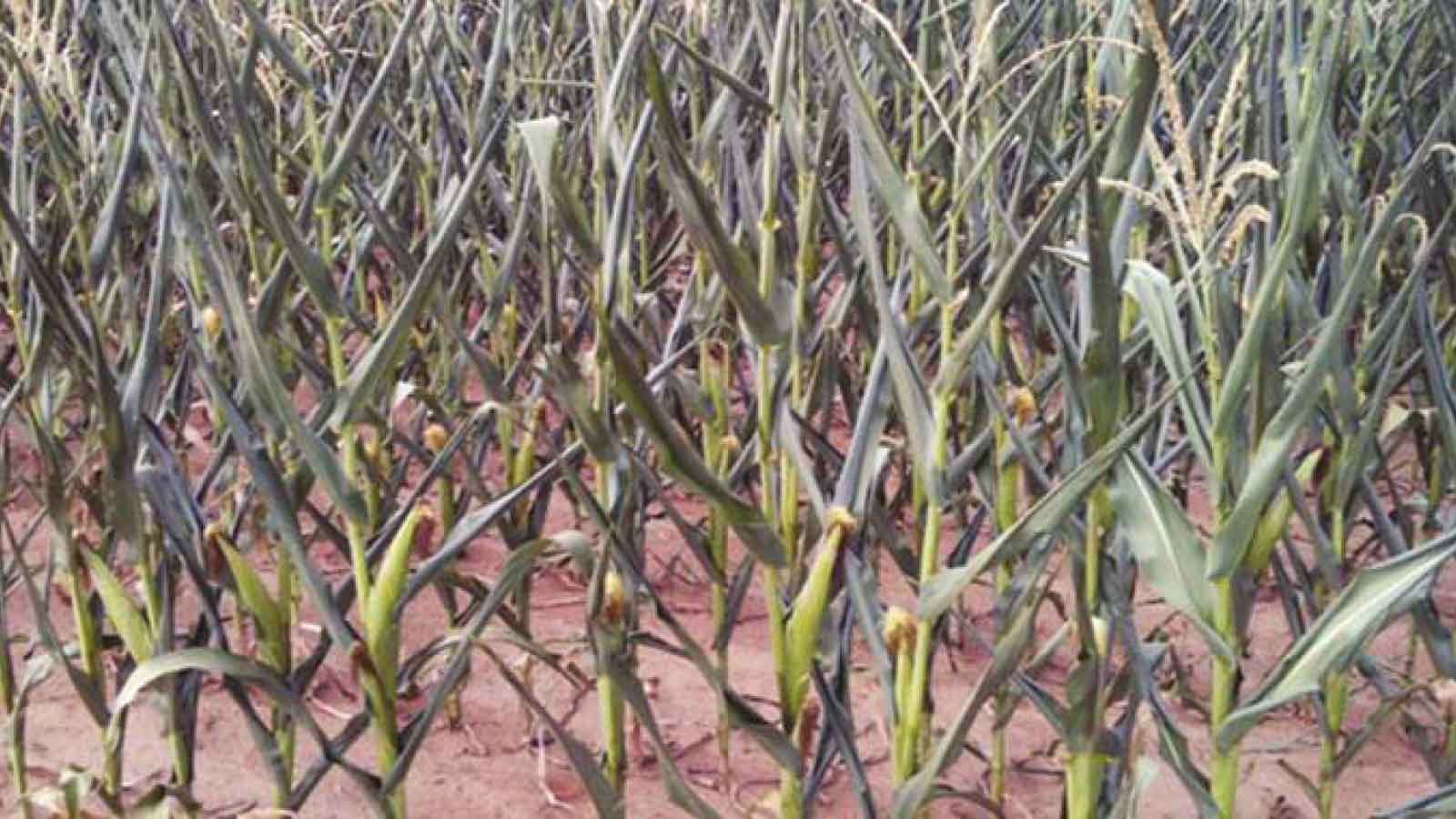
Tawanda Musarurwa-CheckPoint Desk
THE first good rains after months of dry weather can feel like a starting gun for many farmers.
This year, forecasters warn, it may be a false start.
Two new seasonal forecasts — one regional, one national — suggest rain could fall, farmers could plant, and then the skies could close again before crops take hold.
The Southern Africa Regional Climate Outlook Forum 33 (SARCOF-33), which met in Swakopmund, Namibia, in August, issued the regional forecast.
And Zimbabwe’s Meteorological Services Department (MSD) followed this month with a national forecast that narrows the picture to the country level.
According to SADC’s official summary of the SARCOF-33 outlook, below-normal rainfall is favoured across much of Angola, southern Zambia, Zimbabwe, Mozambique, Namibia, Botswana, most of South Africa, Eswatini and Lesotho for October through December 2026.
SADC said the dry signal is expected to persist into January-March 2027 across much of Zimbabwe and neighbouring countries, with above-average temperatures more likely across most of the region during the same period.
SADC attributed the forecast largely to an El Niño already established in the tropical Pacific and expected to strengthen to strong or very strong intensity, peaking around October-December. Forecasters also cited a high likelihood of a positive Indian Ocean Dipole developing and persisting through that period, reinforcing the dry outlook.
MSD’s national forecast translates that regional signal into more specific — and more urgent – terms.
According to MSD, the 2026/27 season is expected to be “highly erratic” at the start, with a significant portion of Zimbabwe expected to have “no effective onset.”
The department forecasts October-December rainfall to be predominantly below normal across all provinces, with the dry signal continuing into January-March: normal-to-below-normal rainfall in southern and western areas, and below-normal conditions across much of the rest of the country.
MSD also expects warmer-than-normal temperatures during the first three months of the season.
The distinction between the two forecasts matters, according to the reporting: SARCOF-33 shows Zimbabwe faces stacked regional odds toward a dry season, while MSD signals something more immediate to farmers — that even when rain arrives, it may not arrive in a way that allows the cropping season to properly begin.
Why “it rained” is not enough
MSD defines the effective start of the rainy season precisely; that is, an area must receive 20 millimeters or more of rain over one or two consecutive days, followed by no dry spell exceeding 10 days over the following 30 days.
The second condition is designed to screen out false starts — rain that looks promising, but is followed by an extended dry period.
A farmer can receive a heavy shower, plant, and watch shoots emerge — only for the crop to be “growing on borrowed time” if meaningful follow-up rain doesn’t come.
Agronomists say 22mm of rains and above is good enough to germinate maize, and 30mm is good enough to germinate soyabeans and other hard coat seeds.
The underlying issue is soil moisture, not just rainfall totals.
Rain must infiltrate the soil, reach the seed, trigger germination and leave enough moisture in the root zone for the plant to establish. Hot, windy conditions can strip that moisture quickly — particularly when rainfall is light, poorly distributed, or followed by a long dry spell.
That is why MSD’s 10-day threshold is central to the forecast. The relevant question is not whether it rained, but whether enough moisture remained for the crop to establish itself.
A trap Zimbabwe has seen before
MSD cites two recent seasons as analogues for 2026/27 – 2015/16 and 2023/24.
Both, the department says in its latest update, experienced widespread problems with effective onset.
During the 2015/16 El Niño season, rainfall was badly disrupted nationally, with agricultural provinces facing severe shortages.
In 2023/24, rains were delayed and uneven early on, leaving farmers uncertain about planting.
Substantial rains eventually arrived, but a prolonged dry spell then struck during the critical growth stage in early 2024, after crops had moved past germination into the stage requiring steady water for grain formation.
The lesson from both seasons is that a season can receive adequate total rainfall and still produce a poor harvest if that rain arrives at the wrong time, stops too long, or comes in bursts the soil cannot retain.
The 60-day gamble
A farmer who plants after an effective-looking rain in late October risks losing the crop if rains then disappear for 10, 15 or 20 days.
A late or unreliable start also shortens the time available for a crop to complete its cycle before the season turns hot and dry, potentially forcing farmers to switch to shorter-season varieties and sacrifice yield.
Research on Zimbabwe’s growing seasons has used the same standard — 20mm of rain followed by the absence of a 10-day dry spell — to distinguish a genuine season onset from a false start, according to studies published in American Meteorological Society journals.
That leaves farmers with competing risks. Planting too early risks a dry spell killing the crop; planting too late risks running out of season.
Seasonal forecasts describe probabilities, not certainties, and SARCOF-33 itself cautions that its regional outlook should not be read as a local or district-level forecast — national meteorological services are responsible for translating it into country-specific guidance, according to PRISM.
Still, forecasters say the coming 60 days warrant close attention.
The regional outlook anticipates a strong-to-very-strong El Niño peaking in October-December, the same months MSD expects an erratic start and below-normal rainfall nationally.
Rainfall reliability is only part of the risk. If rain is inconsistent while temperatures run above normal, soil moisture can disappear faster between showers — a dynamic not visible in seasonal rainfall totals alone.
Current forecasts do not distinguish between a farmer in Chiredzi and one in Bindura, or between a communal farmer without irrigation and one with a borehole.
Two districts could receive identical seasonal totals with very different outcomes if one gets its rain in a few heavy bursts separated by long dry spells.
The most useful next step, according to the reporting, would be a post-onset dry-spell probability tool — calculating, once 20mm has fallen, the likelihood that the next 10 to 20 days will be too dry for a newly planted crop.
Combined with historical rainfall records, soil moisture data, crop calendars and irrigation access, that could allow a district-by-district risk map.