Online Reporter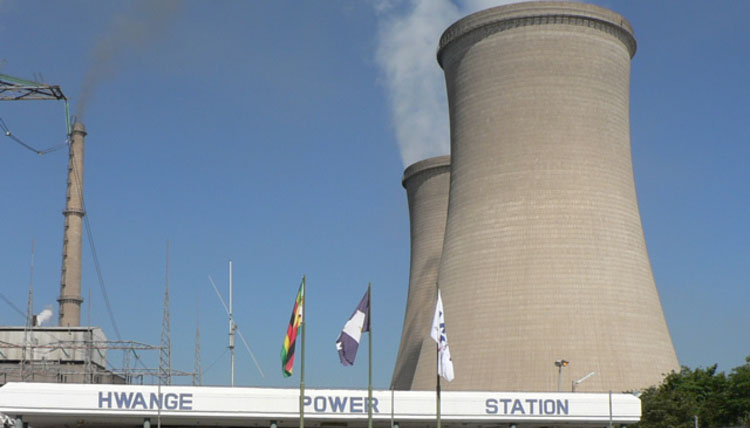
Ivan Zhakata
Herald Correspondent
Zimbabwe recorded a notable increase in electricity output during the third quarter of 2025, with the Index of Electricity Generation rising by 13,7 per cent year-on-year.
In its latest report, the Zimbabwe National Statistics Agency (ZimStat) stated that the IEG stood at 121,5 in the third quarter of 2025, up from 106,9 in the same period the previous year.
On a quarter-on-quarter basis, the index rose by 6,0 percent from 114,6 in the second quarter.
Hwange Power Station remained the country’s largest producer, generating 2 079,2 gigawatt hours (GWh), which accounted for 68,6 per cent of total electricity.
Kariba Power Station followed with 831,3 GWh (27,4 percent), while independent power producers (IPPs) contributed the remaining 3,9 percent.
Despite the rise in domestic generation, Zimbabwe continued to import electricity.
ZimStat reported that 283,9 GWh were imported in the third quarter of 2025, an 8,5 percent increase from 261,7 GWh in the previous quarter.
The bulk of imports came from HCB of Mozambique (45,4 percent), followed by DAM (SAPP) at 25,4 percent, ZESCO at 17,8 percent, EDM at 11,3 percent, while Eskom supplied 0,1 percent.
Exports marginally declined during the period, with 235,6 GWh sent abroad compared to 235,9 GWh in the second quarter, a 0,1 percent decrease.
Namibia’s NamPower and the Copperbelt Energy Corporation (CEC) received the largest shares of exported electricity.
Meanwhile, electricity distribution within Zimbabwe rose sharply.
ZimStat said 2 489,9 GWh were distributed in the third quarter, representing a 15,8 percent increase from 2 150,7 GWh in the previous quarter.
Manufacturing, transport, and construction sectors consumed 766,7 GWh (30,8 percent), mining and quarrying used 528,1 GWh (21,2 percent), while domestic consumers accounted for 473,5 GWh (19,0 percent).
The Index of Electricity Generation is compiled using administrative data from the Zimbabwe Electricity Supply Authority and is based on the Laspeyres index method, with the first quarter of 2019 as the base period, in line with United Nations recommendations.
The improved figures point to a strengthening power supply position during the third quarter, amid ongoing efforts to stabilise Zimbabwe’s energy sector.