admin
admin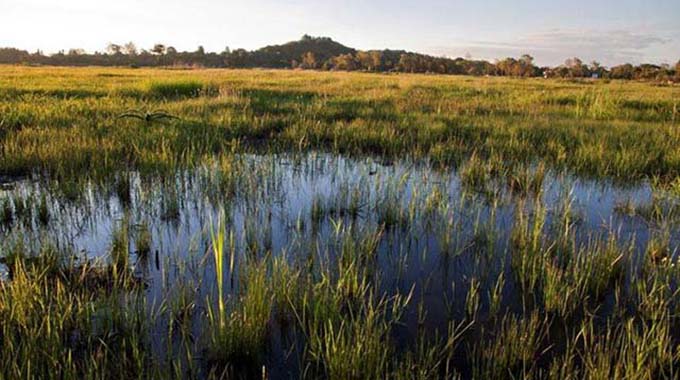
Sharon Munjenjema
THE Environmental Management Agency (EMA) has initiated processes towards the gazetting of redefined Harare and Chitungwiza wetlands maps as part of efforts to protect the ecological areas from further depletion.
The agency is also lobbying Government to buy back all privately-owned land that contain wetlands.
Harare and Chitungwiza have been identified as areas with the fastest disappearance of wetlands with the land having been subjected to residential and industrial construction.
According to EMA, Harare has over 60 percent of its wetlands in severe conditions while 189 hectares of the previously 920 hectares of wetland area in Chitungwiza is still in a stable condition.
In an interview with The Sunday Mail, EMA Environmental, Education and Publicity manager Mrs Amkela Sidange said the mapping of wetland areas was expected to be completed by June this year.
“We are trying to create enablers in the form of policies that can assist in the preservation of wetlands. At the moment we are trying to lobby for the gazetting of a wetland map for Harare and Chitungwiza.
“As EMA, our target is that by the end of the second quarter we want to have finished everything to enable the gazetting. Our job is simply to enable an environment for gazetting. We have done the ecological assessment to identify all the sensitive areas,” she said.
Mrs Sidange said EMA’s efforts to protect wetlands had, over the years, been stifled by proprietary laws.
She said the parastatal was now lobbying Government to buy back all areas with wetlands from the land owners.
“Someone who got a title deed for a piece of land, for example, in the 1950s before EMA, may be harbouring a wetland, but they are protected under proprietary rights and the owner of the land can do anything they want with it,” Mrs Sidange said.
“Now we are lobbying for such pieces of land to be bought back and removed from private ownership so that they can become State land.”
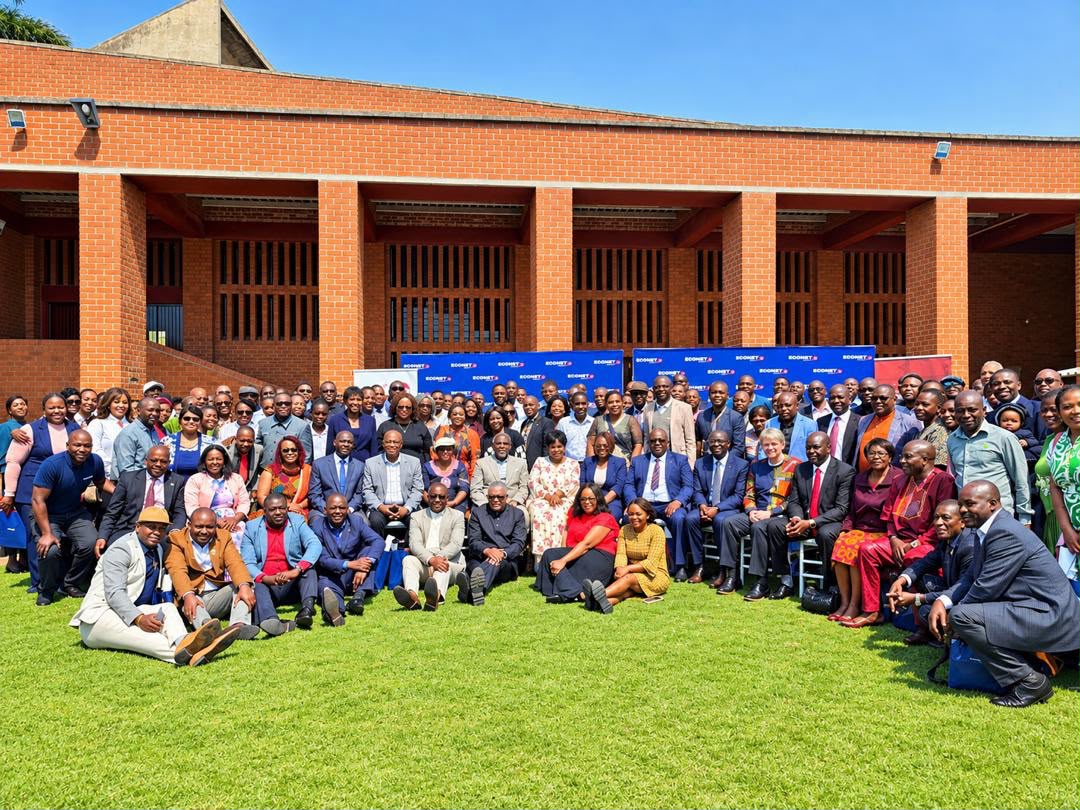
Speaking at a seminar for experts in the environmental sector in Harare recently organizsed by the World Wildlife Fund, European Union delegation to Zimbabwe Natural Resources Management programme manager, Mr Andrea Janoha, urged Government to enforce laws that protect the environment.
“They (wetlands) represent 3 percent of land but their function is key. I do not think the country would have a sustainable water or ecosystem without them,” he said.
“The Government needs to be committed to introduce laws and regulations that ring-fence these ecosystems for the benefit of the country.”


 Online Reporter