Online Reporter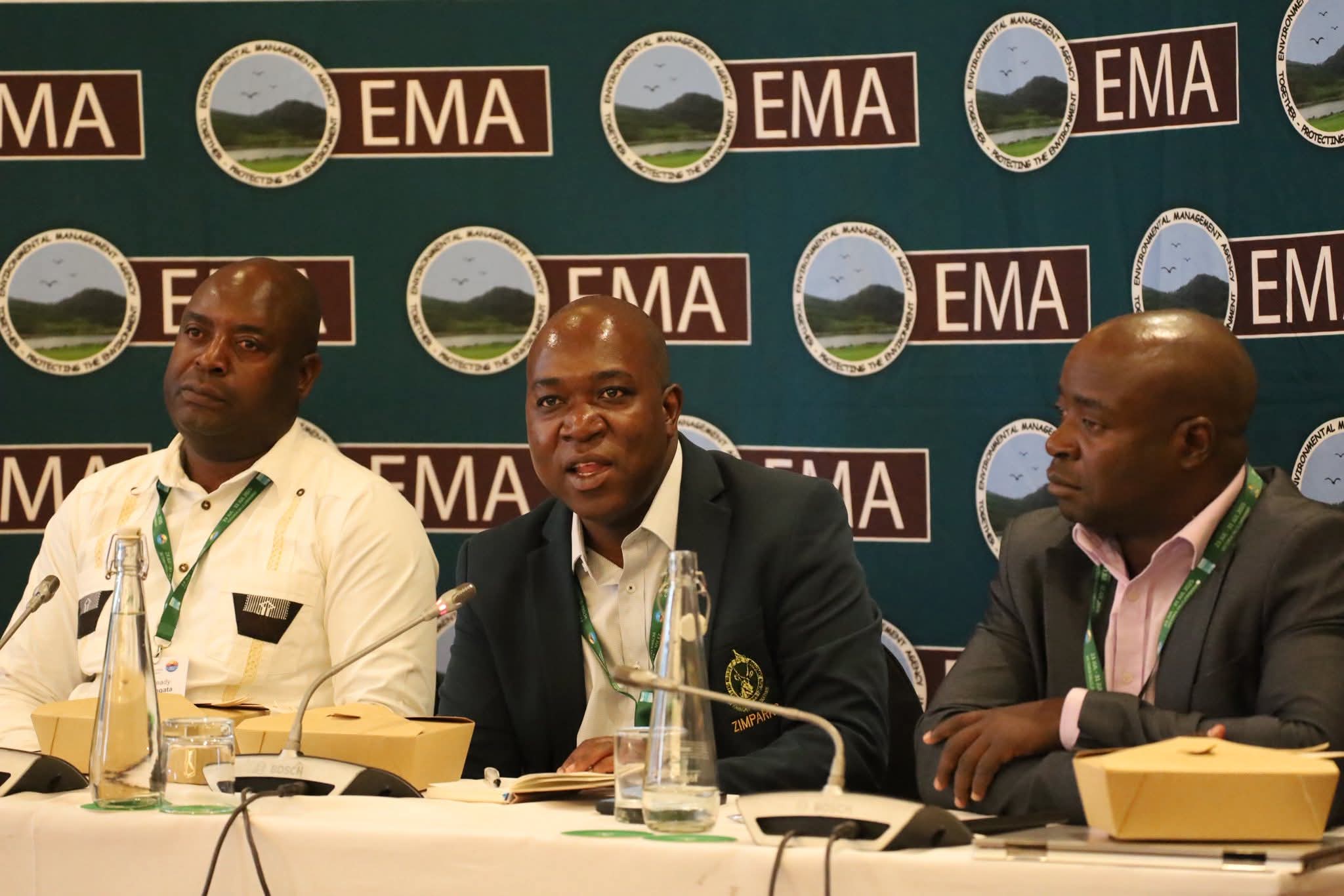
Rutendo Nyeve, Victoria Falls Reporter
THE Environmental Management Agency (EMA) has reaffirmed its commitment to ensuring wetlands management is fully integrated into national planning, emphasising the critical role these ecosystems play in sustaining biodiversity and livelihoods.
Speaking on the sidelines of the ongoing COP15 in Victoria Falls, EMA Director General Mr Aaron Chigona highlighted the agency’s proactive measures to protect Zimbabwe’s wetlands, which cover approximately 34.96 percent of the country’s total land area.

*”Wetlands are the backbone of our environment, providing essential services such as water purification, flood control, and habitat for wildlife. Their preservation is non-negotiable.
“EMA is working tirelessly to embed wetlands conservation into national development strategies through policy enforcement, community engagement, and innovative solutions. This is not just our mandate—it is our duty to future generations,”* said Mr Chigona.
Zimbabwe’s wetlands, including Maleme Dam, Mpompini, and Njovo, face mounting threats from agricultural expansion, deforestation, climate change, and unregulated infrastructure projects.
Illegal mineral extraction and improper waste disposal further degrade these fragile ecosystems, jeopardising their ability to sustain life.
To address these challenges, EMA is leveraging legal frameworks such as the Environmental Management Act (2002), which imposes strict penalties for unauthorised activities like draining or drilling in wetlands.
The agency’s efforts are bolstered by Zimbabwe’s ratification of the Ramsar Convention in 2013 and the launch of the National Wetlands Policy in 2021.
A key component of EMA’s strategy is the National Wetlands Masterplan, which includes an interactive digital platform and mobile app to enhance public participation in conservation efforts. Community-led restoration projects are already underway in districts like Kasibo, Mapembe, and Gutu, demonstrating the power of local partnerships.
“We are prioritising nature-based solutions and ensuring every district benefits from wetland rehabilitation initiatives,” he said.
Looking ahead, EMA is focused on strengthening policy implementation and fostering youth involvement in environmental stewardship.
“The integration of wetlands management into national planning is not optional, it is essential for sustainable development,” he said.