Chronicle Editor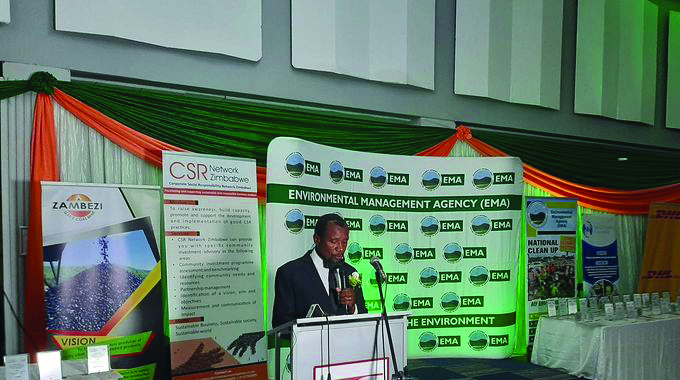
Sukulwenkosi Dube-Matutu
THE Environmental Management Agency (Ema) in Matabeleland South has started restoration works on three wetlands areas to ensure their sustainability and support livelihood projects for surrounding communities.
Many wetlands are too drained to support agricultural activities while others have been overtaken by urban development. Indirect impacts from pollutants, urban runoff and invasion by non-native species continue to degrade and destroy wetlands. Ema has rolled out wetland restoration, creation and enhancement projects to preserve wetlands.
This is in line with the National Wetlands Policy of 2021.
Speaking recently during a wetland restoration engagement meeting in Gwanda, Ema Matabeleland South provincial manager, Mr Descent Ndlovu said protection of wetlands requires input from various stakeholders either through technical or financial support.
“Issues of wetlands have been topical across the country, especially in 2020 and then we embarked on the mapping of all wetlands because development projects have been encroaching on wetlands thereby affecting their sustainability. We decided to hold a stakeholder engagement with those critical departments which have to do with wetland restoration and preservation. We want all stakeholders to be actively involved as we undertake these projects,” he said.
Mr Ndlovu said the aim was for community members to run environmentally friendly livelihood projects which will ensure the sustainability of the wetlands. He said these include farming, horticulture, bee keeping, fish farming, orchards, eco-tourism, cultural tourism. Mr Ndlovu said in the past the agency has been rehabilitating wetlands but now it is taking an integrated approach which incorporates all stakeholders from community level right to the highest level. He said wetland management has to be incorporated into all land development and planning processes.
Also speaking during the same meeting, Ema Matabeleland South environmental planning and monitoring officer Mrs Sithembokuhle Moyo said the wetlands being restored include Mazvide and Mpompini Wetlands in Insiza District and Malilangombe Wetland in Matobo District.
She said Mazvide is 10 hectares and over 860 families are benefiting from it. Mrs Moyo said the wetland is rich in biodiversity but it was now deteriorating.
“We want to rejuvenate, resuscitate and sustainably utilise Mazvide wetland for the benefit of the community. We also want to enhance biodiversity of the wetland. After engaging the community, we have fenced off the 10-hectare area of the wetland to keep animals out. We have also established a two-hectare irrigation garden and bee keeping project. There is need to establish other projects such as fish farming and ensure their sustainability,” she said.
Mrs Moyo said Mpompini wetland also in Insiza is 2,5 hectares. She said 135 households from the area are benefiting from the wetland. Mrs Moyo said the wetland was however no longer perennial as the water dries out. She said the wetland has been fenced off and a 1,5-hectare horticulture garden has been established. Mrs Moyo said the community has also indicated that they were in need of a small dam and various livelihood projects.
She said Malilangombe wetland in Matobo District is 30 hectares and it benefits a number of villages in Matobo and Gwanda.
“We have fenced off this wetland as well but there is need for us to start livelihood projects as soon as possible. Malilangombe is one of our high impact projects as it benefits a number of villages. There is need for sustainable livelihood projects,” said Mrs Moyo.
Wetlands are extremely important to human well-being and comprise some of the world’s most important environmental assets. They mitigate against climate change, absorb carbon dioxide, absorb excess water during rains minimising flooding, they clean the environment of pollutants and are a breeding point for 40 percent of animals.
@DubeMatutu



 Online Reporter