Online Reporter
Farirai Machivenyika
Senior Reporter
AFRICAN States have been challenged to adopt Artificial Intelligence urgently irrespective of associated risks if the continent is not to be left behind in its development.
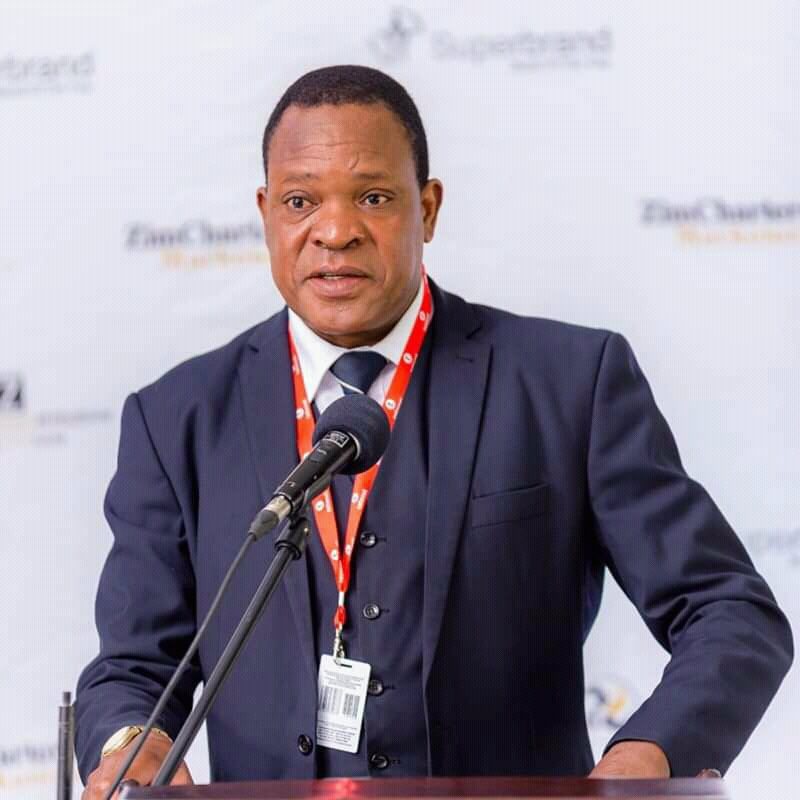
This was said by Speaker of Parliament, Advocate Jacob Mudenda, during a symposium held at the ongoing 57th SADC Plenary Assembly in Victoria Falls.
Advocate Mudenda said developed countries were committing resources to adoption of AI systems even in the absence of regulations governing their use.
“America hasn’t got any piece of legislation (on AI) but you heard it from the presenters that Donald Trump has put in place US$500 billion to improve application of AI, so we here in Africa must move with the times regardless of risks.
“We must be in reverse gear to be masters of our own economic liberation, we shouldn’t cry foul, time has come for Africa to move forward like any other continent in the world,” Advocate Mudenda said.
The Speaker said the EU only promulgated AI regulations in 2021, and this showed that adoption of AI will not be stopped by an absence of regulations.
“We are not going to stop the apple of AI, that is the reality of life now whether we like it or not,” he said.
Advocate Mudenda said SADC and Africa as a whole should be inspired by the realisation of past African leaders, who foresaw the importance of adopting latest ICT’s way back in 2013.
“The whole idea of having this symposium was to raise awareness of what is happening in the world and we have to respond as SADC, let alone as Africa.
“If you read properly, Agenda 2063, which is projecting a 50-year paradigm, you will notice that under the last section of this Agenda 2063, there’s a call to action and among issues that arise as summarised is the question of Africa developing its ICT’s. Our forebears saw this in 2013 and saw it being pushed forward for 50 years from 2063,” Advocate Mudenda said.
The Plenary Assembly is running under the theme: “Harnessing Artificial Intelligence for effective and efficient parliamentary processes in the SADC region: Experiences, challenges and opportunities.”