

 admin
admin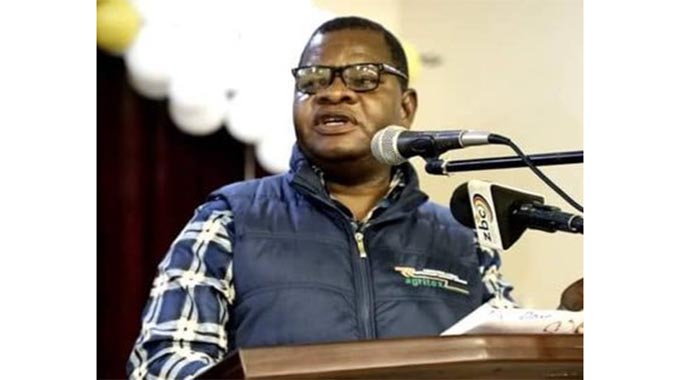
Elton Manguwo
GOVERNMENT is working to identify regions with livestock populations facing dire feed shortages to facilitate shipment of hay and other forage materials to such needy areas and cushion communities from the subsequent strain.
Lands, Agriculture, Fisheries, Water and Rural Development permanent secretary Professor Obert Jiri told The Herald that they were actively surveying and assessing different agricultural areas to determine where livestock needed supplementary feeding most.
“This assessment likely involves evaluating factors such as local weather conditions, pasture and forage availability, herd sizes and reports from farmers and ranchers,” said Professor Jiri.
Once zones with the greatest feed deficits are identified, the Government is mobilising resources to expedite the delivery of emergency hay and feed supplies to those regions.
“By taking proactive steps to identify feed-deficient areas and swiftly providing the required resources, we are working to safeguard the health and welfare of communities that are grappling with dire forage shortages,” said Professor Jiri.
Professor Jiri added that the preventative strategy sought to provide interventions before the situation further escalated.
“This emergency response aims to rapidly get necessary nutrition to the livestock populations at risk to avert poverty deaths,” he said.
Government has since introduced a raft of measure to address the various feed and water related challenges facing livestock communities in drought-stricken regions.
“The adoption of this emergency livestock feed distribution initiative of getting hay and other critical feeds to vulnerable livestock targets to stabilise the situation and avert even greater crisis. It is therefore a direct response to the panic-induced animal sales taking place across drought-stricken regions,” said Professor Jiri.
Government’s swift intervention to provide emergency livestock feed has been driven by the widespread and alarming sale of animals by farmers.
“Faced with severe drought that is decimating natural forage and fodder resources, many farmers have resorted to hastily selling portions of their livestock herds, as a strategy of reducing the number of animals they need to feed and care for during the drought crisis,” said Professor Jiri.
Additionally, Government has recognised that interventions are required to prevent further losses and ensure the survival of animals that have been retained by distressed farming communities.
Recently, the Ministry of Lands, Agriculture, Fisheries, Water and Rural Development transformed village business units to serve as ward drought mitigation centres offering comprehensive services covering livestock health and nutrition and ensuring that water and supplementary feeds are available for at-risk animals.
“The VBUs will complement hay deliveries by establishing facilities to formulate, process, and distribute specialised livestock feed blends tailored to the nutritional needs of animals during the drought,” said Professor Jiri.



 Online Reporter