Getrude Chigerwe-Features Correspondent
On October 11, Zimbabwe joined the rest of the world in celebrating International Day of the Girl Child under the theme, “End child marriage and invest in girls’ rights!”.
This year’s theme presents a clear challenge: protecting girls from early marriage must go hand in hand with ensuring that they complete their education, develop their capabilities and access meaningful economic opportunities.
Zimbabwe has made progress in getting girls into secondary school, but access does not always translate into completion, protection or economic opportunity.
In 2024, 81,1 percent of girls transitioned from Grade Seven to Form One, compared with 77.9 percent of boys. Yet overall retention from Form One to Form Four stood at 80.6 percent, with boys recording higher secondary school completion rates than girls, according to UNICEF Zimbabwe.
Child marriage is among barriers to girls’ rights and development. UNICEF reported a child marriage rate of 21.2 percent among girls aged 15–18 in its 2024 report. Globally, more than 12 million girls marry before adulthood every year, about one every three seconds.
Sub-Saharan Africa has the world’s highest prevalence of child marriage, at 31 percent, highlighting the urgent need to strengthen efforts to protect girls’ rights and end the practice.
These figures point to a challenge that extends beyond school enrolment. Zimbabwe should ensure that girls remain in education, grow up free from child marriage and violence, acquire relevant skills and access opportunities to participate fully in the economy.
Investing in girls’ rights is a strategic development priority. The country’s ability to strengthen human capital, reduce poverty and achieve inclusive economic growth depends on ensuring that girls complete their education, acquire relevant skills and participate fully in social and economic life.
Zimbabwe has made progress in expanding access to education, but the focus should increasingly shift to retention, completion and successful transitions into further learning, skills development and employment.
Girls require sustained support to overcome economic barriers, remain in school and acquire the knowledge and competencies needed to realise their full potential.
Enrolment is an important milestone, but it does not in itself determine whether girls exercise their rights and access opportunities.
Economic barriers remain a significant obstacle to girls’ education. For many households, the costs associated with school fees, uniforms, transport, learning materials and examinations still undermine girls’ ability to remain in school.
When girls leave school because of financial challenges, they face heightened risks of child marriage, adolescent pregnancy and exploitation.
Strengthening education assistance and social protection programmes is, therefore, critical to reducing these risks and ensuring that vulnerable girls continue with their education and safeguard their rights and future opportunities.
Girls’ ability to participate fully in education depends on whether their practical needs are met. Menstrual health is one such consideration.
Access to accurate information, menstrual products, safe sanitation facilities and supportive learning environments enable girls to manage menstruation with dignity and remain engaged in education.
Zimbabwe’s National Menstrual Health Educational Package reflects growing recognition that menstrual health is both an education and gender-equality issue.
Addressing menstrual poverty and stigma can help remove barriers to school attendance, participation and learning outcomes.
The 2026 theme places the elimination of child marriage at the centre of efforts to advance girls’ rights. Child marriage remains a significant barrier to educational attainment, gender equality and human capital development, undermining progress across multiple sectors.
Ending the practice is essential to protecting girls’ rights and supporting Zimbabwe’s broader development objectives.
Zimbabwe’s legal framework sets the minimum age for marriage at 18, but legislation alone cannot guarantee that girls are protected.
Effective implementation requires accessible child-protection services, timely responses to reported cases, greater community awareness of children’s rights and targeted support for girls at risk of early marriage.
Schools, social services, law-enforcement agencies and community leaders should have the necessary knowledge and resources to identify vulnerable girls, intervene early and ensure that those at risk access appropriate protection and support.
These priorities align with the wider international consensus that girls’ empowerment requires coordinated action across education, protection and economic development sectors. UN Secretary-General António Guterres has emphasised the interconnected action required.
“Keeping girls in school, improving economic opportunities for families, enhancing social and legal protections, and challenging discriminatory gender norms all help girls reclaim their agency,” he said.
His message speaks directly to Zimbabwe’s challenge: education, protection and economic opportunity must advance together if girls are to shape their own futures.
Advancing girls’ rights requires ensuring that education translates into meaningful economic opportunities.
This calls for strengthened linkages between education, technical and vocational training, digital-skills development and pathways to decent work and entrepreneurship, particularly in sectors that contribute to sustainable economic growth.
Girls and young women also need access to mentorship, career guidance, practical training, financial services and markets to support their transition into productive livelihoods.
Achieving these outcomes will require coordinated action across Government, development partners, civil society, communities and the private sector to strengthen education, social protection and child-protection systems, expand economic opportunities and address the social norms and structural barriers that continue to limit girls’ potential.
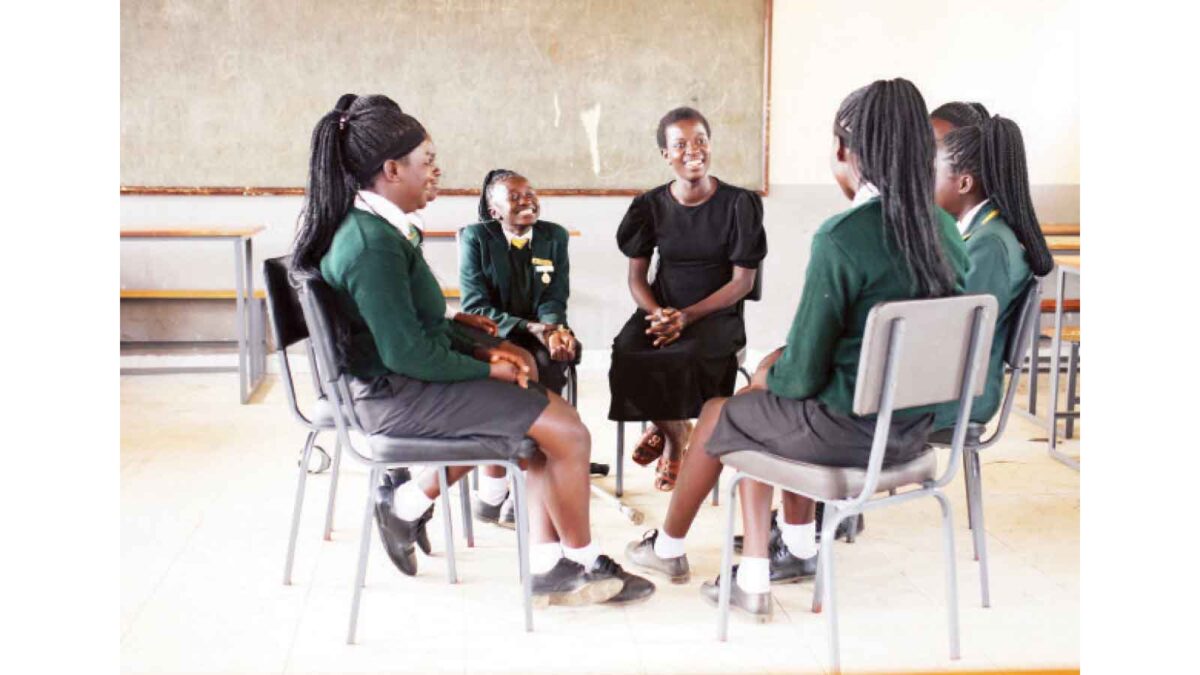
Girls should be recognised as active partners in development, with meaningful opportunities to contribute to decisions that affect their lives.
Ensuring that policies and programmes reflect their experiences, priorities and needs is essential to achieving equitable outcomes.
As Zimbabwe marks the International Day of the Girl Child, progress should be measured not only by school enrolment, but also by whether girls complete their education, remain protected from child marriage and violence, acquire relevant skills and access opportunities to participate fully in society.
Achieving these outcomes requires sustained investment, effective protection systems and a continued commitment to girls’ agency and empowerment.
Ending child marriage and investing in girls’ rights are, therefore essential to building a more inclusive, productive and resilient future.
Every girl should have the opportunity to learn, develop her talents and make decisions about her future.
Every girl deserves more than the chance to attend school. She deserves the opportunity to build a future of her own.