Online Reporter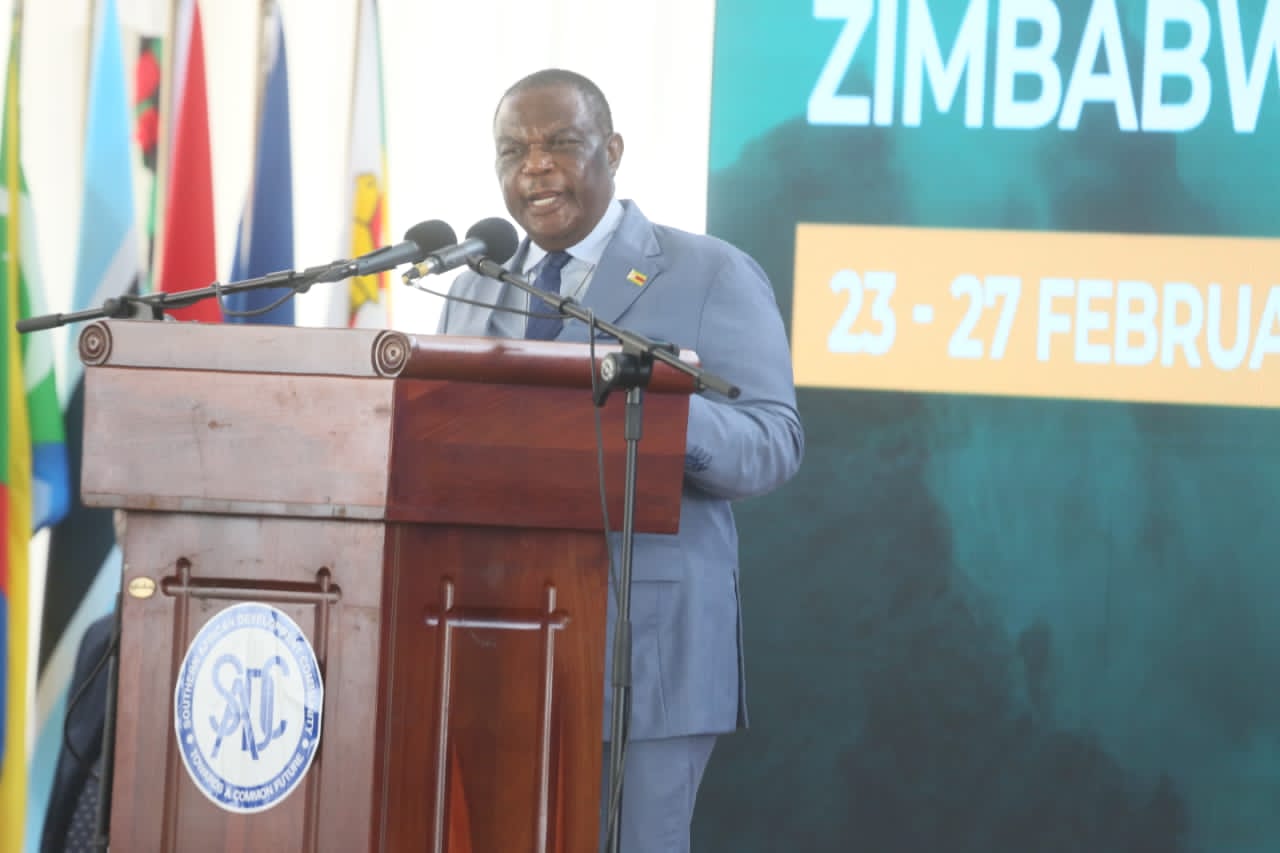
Rutendo Nyeve
VICE President Dr Constantino Chiwenga has reaffirmed the liberalisation of Zimbabwe’s energy sector which is aimed at fast-tracking universal electricity access by 2030, tackling energy deficits and driving industrialisation.
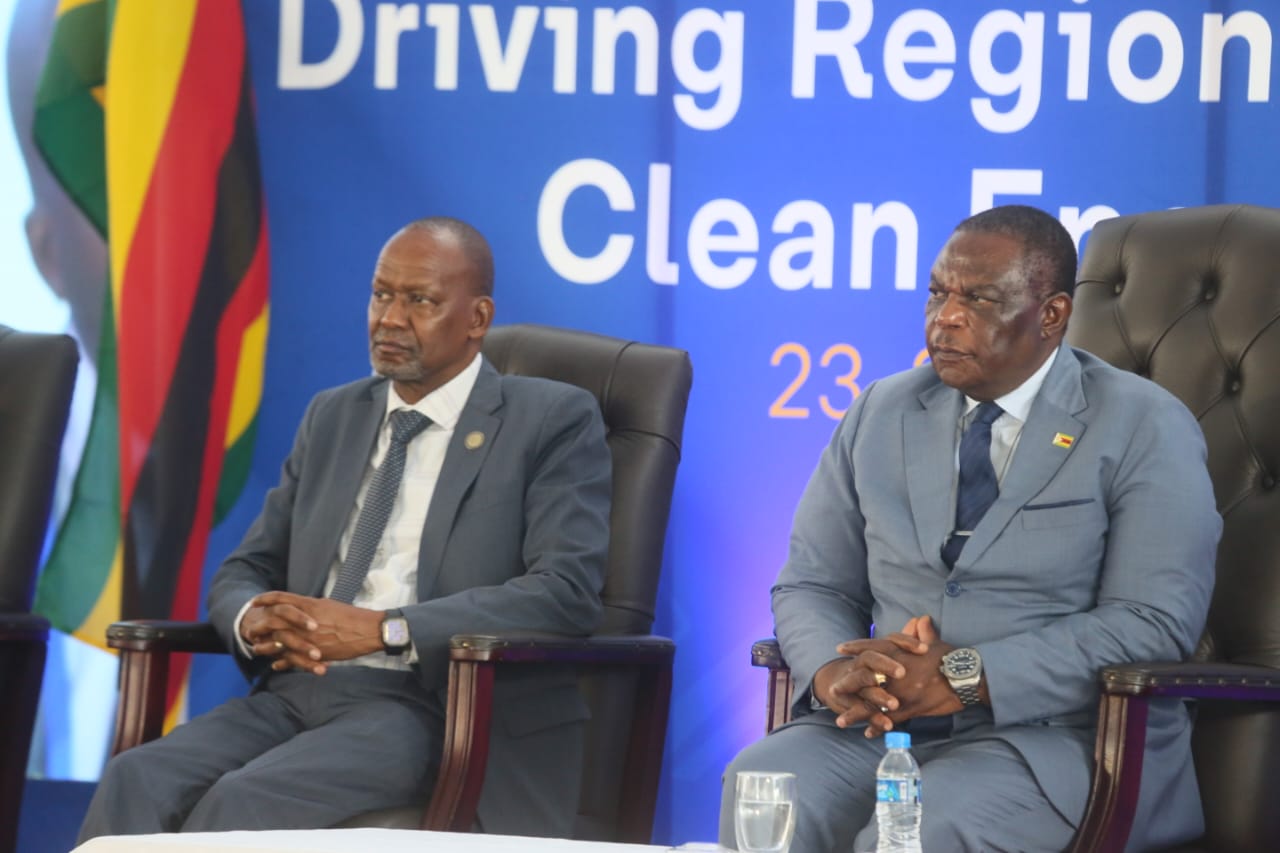
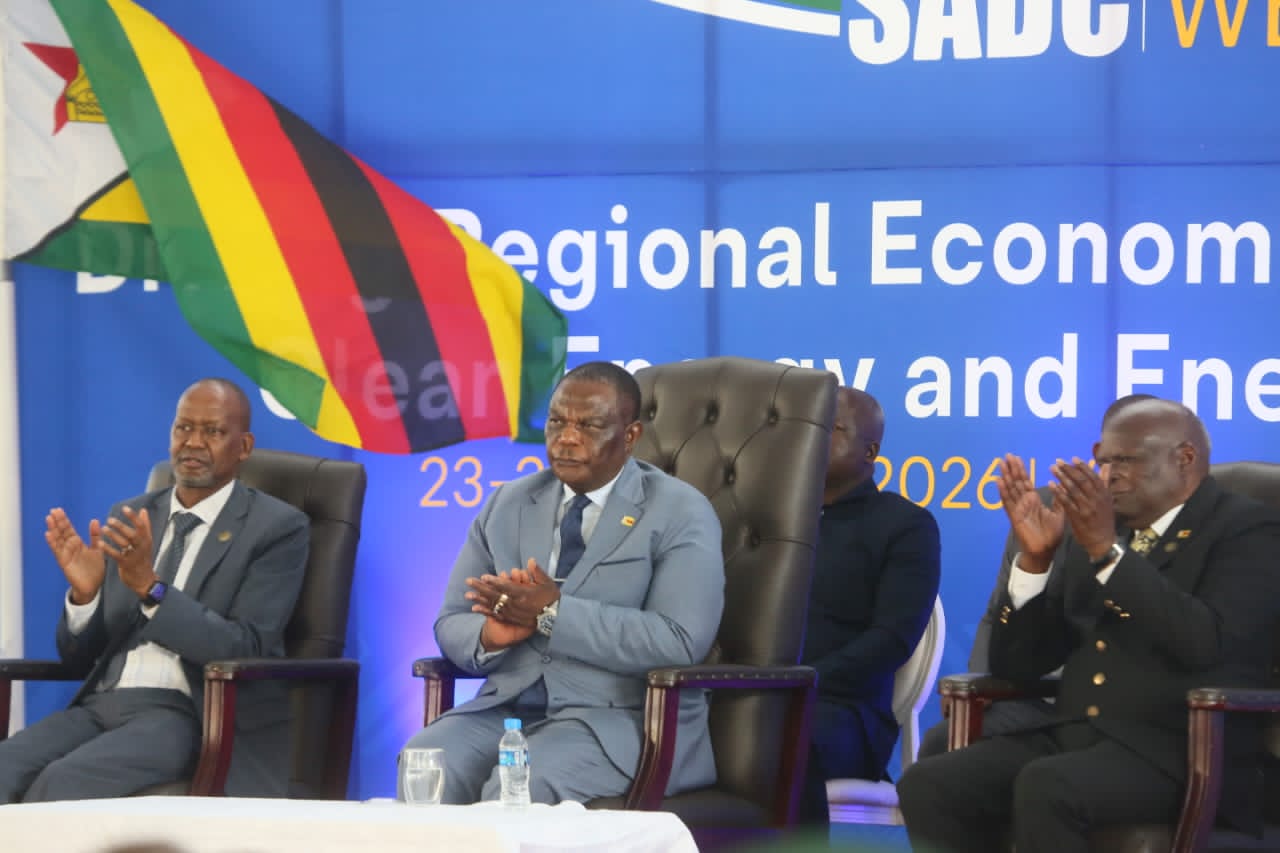
Officially opening the second edition of the Southern African Development Community (SADC) Sustainable Energy Week in Victoria Falls on Wednesday, Vice President Chiwenga said the Government is implementing a policy shift designed to attract private capital and expand the national grid.
Dr Chiwenga, who was representing President Mnangagwa, declared that the Government is moving from dialogue to delivery to address the country’s power challenges.
“Under National Development Strategy 2 and our Energy Compact, as we pursue universal access by 2030, we are liberalizing generation to attract Independent Power Producers; enabling direct power purchase agreements; expanding private sector participation in transmission and distribution; accelerating rural electrification targeting universal coverage of schools and clinics; and mobilising domestic capital through structured engagement with local financial institutions,” VP Chiwenga said.
This strategy aims to lift the country’s current electricity access rate, which stands at approximately 62 percent, with rural access just above 20 percent.
The reforms are expected to unlock investment in Zimbabwe’s abundant resources, including coal deposits, water bodies for hydro generation, and vast solar and wind potential.
However, the Vice President Chiwenga said energy security cannot be achieved in isolation.
He called on the SADC region to cease being mere exporters of raw materials and instead become a value-adding industrial hub.
“The question before us is whether Africa will remain an extraction zone, a raw material supplier, or become a value-adding industrial hub in the clean energy value chain
“Therefore, we cannot remain behind whilst our God-given resources develop other already industrialised nations,” he said.
He noted that despite Africa possessing nearly 60 percent of the world’s best renewable energy resources, the continent continues to face debilitating power deficits.
He urged regional collaboration on strategic projects like the Batoka Gorge and the Inga Dam to strengthen cross-border interconnections and unlock the region’s estimated US$83 billion annual infrastructure financing gap.
The SADC Sustainable Energy Week, running under the theme: Driving Regional Economic Growth through Clean Energy and Energy Efficiency, has brought together policymakers, financiers, and energy experts.
Vice President Chiwenga challenged financiers to back the region’s scalable projects and called on policymakers to harmonize regulations to unlock capital at scale.
“Let me emphasize that we stand at a crucial moment. Southern Africa possesses the resources. We possess the market and the strategic geography. What is required now is execution, discipline and investment acceleration
“If we act decisively, Southern Africa can transition from energy deficit to energy surplus; from commodity exporter to industrial hub,” he said.


 Bongani Ndlovu