

 admin
admin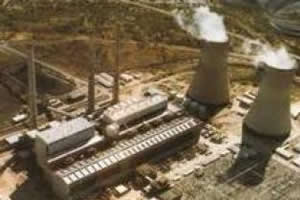
Domestic Product, to resuscitate its energy sector to achieve full economic recovery and service the rural population, the World Bank has said.
Country director, Ms Kundhavi Kadiresan, told journalists in Harare yesterday that Zimbabwe’s economic recovery was impressive but was still far from normalising its relations with financiers.
She said Government should continue to address key issues in the energy, transport and communication sectors and attracting investment both domestic and international.
“To recover fully, Zimbabwe seems to be still far away, it needs about US$13 billion in the energy sector to access rural sectors,” said Ms Kadiresan.
She commended Zimbabwe’s strong road network. However, she said maintenance of the existing infrastructure had been poor over the past 15 years.
“Institutions like the World Bank and others are really keen to work with the Government in terms of getting this country back on track. However, there is still a long way from normal relationship due to arrears and lack of policy clarity.”
Zimbabwe’s arrears to the bank are the major sticking point hindering the resumption of full financial support. The country’s external debt amounts to US$8,8 billion. US$6,6 billion is owed to the WB and the International Monetary Fund.
RELATED STORIES
The availability of adequate and reliable energy was critical for economic growth and transformation. Commercial energy is dominated by electricity, while wood fuel provides energy for domestic use mainly in rural areas.
Power supply is a key determinant for output across all sectors of the economy, in particular mining, manufacturing and agriculture. Persistent power cuts over the past years have contributed to continued economic decline.
Zimbabwe’s total installed capacity amounts to 1 960MW and national demand is approximately 2 200MW but this has not been realised in the past decade.
To improve the power situation in the country, Government is working on the rehabilitation of Hwange Power Station, expansion of Hwange Thermal Power and Kariba South Hydro Power stations.
Batoka Gorge and the development of Sengwa coal and Lupane gas projects are also in the pipeline.


 Peter Tanyanyiwa
 Online Reporter