Mthabisi Tshuma [email protected]
ZIMBABWEAN entrepreneur Ms Sithabile Gandi-Ndlovu is courting Chinese investors to establish strategic partnerships aimed at driving investment, industrialisation and sustainable business ventures in Zimbabwe.
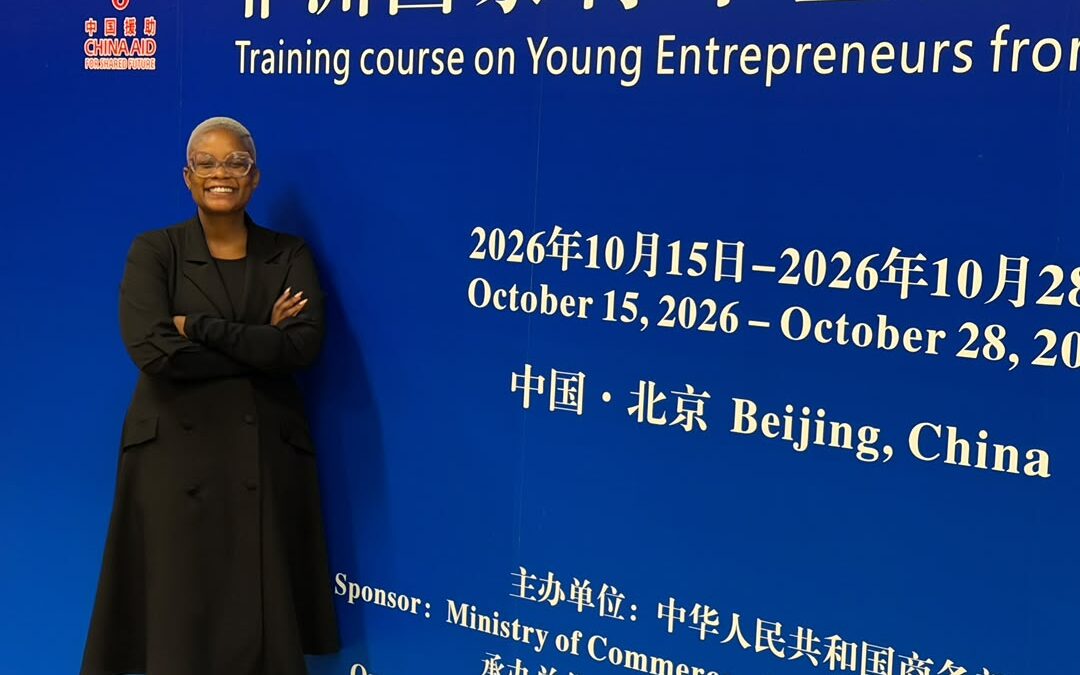
Ms Gandi-Ndlovu made the pitch on Tuesday during the Training Course on Young Entrepreneurs from African Countries, which is running in Beijing, China, from October 15 to 28.
Presenting a paper titled “Zimbabwe: Open for Business & Strategic Partnerships with China” at a business forum attended by Alibaba representatives, Chinese business leaders and investors, she highlighted Zimbabwe’s investment opportunities, natural resources and strategic position as a gateway to the Southern African Development Community (SADC) market.
Ms Gandi-Ndlovu said the longstanding economic ties between Zimbabwe and China provided a foundation for expanding cooperation between businesses in the two countries.
“Today, we invite Chinese enterprises to join us in building high-impact, sustainable ventures.
“Zimbabwe offers a highly advantageous landscape for foreign investors, anchored by three major pillars. These include the strategic location feature where it serves as the central gateway to the broader Southern African Development Community (SADC) market.
“There is abundant natural resources where it is home to world-class mineral reserves including lithium, gold, platinum, chrome and diamonds alongside exceptionally fertile agricultural land.
There is also favourable business climate backed by attractive investment incentives, Special Economic Zones (SEZs), and advantageous tariff benefits such as zero-tariff trade initiatives,” said Ms Gandi-Ndlovu.
She said eight Zimbabwean enterprises led by young entrepreneurs had been identified as seeking strategic partners, equipment and access to new markets.
Among them is ALAD (A Life A Day), a youth-led rural industrialisation initiative linked to National Foods, which is seeking partnerships with Chinese agricultural technology providers to improve production capacity.
The proposed areas of cooperation include modern poultry housing, incubators, cattle and pig production equipment, solar-powered cold-chain facilities and digital supply-chain systems.
Another enterprise is an ISO-certified haircare and beauty products manufacturer with a current production capacity of 500 units per day. It is seeking to increase output to more than 2 000 units daily through partnerships with packaging firms, machinery manufacturers, backup power suppliers and retail networks, including opportunities to introduce Zimbabwean beauty products and indigenous oils to the Chinese market.
Ms Gandi-Ndlovu said the other businesses included PuRed Agro Processors, which converts fresh tomatoes into tomato powder to reduce post-harvest losses and support local farmers, and Golden Harvest Honey (GHH), a youth-led apiculture enterprise in Chimanimani District.
GHH works with 125 rural beekeepers and has a reported production capacity of 8 500kg of honey and 1 000kg of beeswax.
The list also includes Loyalty Properties and Construction, a property development company seeking to expand its infrastructure projects, and Inches and Design, a Harare-based fashion brand focused on local value addition.
Hospitality and Hotel Development, an operator managing 97 rooms, is seeking investment to co-develop a 100-room hotel in Harare and establish a mattress manufacturing plant to meet local demand.
The eighth enterprise, Agrirocket Engineering PL, designs and manufactures agricultural structures and equipment, including greenhouses, water tanks, cattle spray races and agricultural drones.
Ms Gandi-Ndlovu said the partnerships could unlock opportunities across mining and mineral beneficiation, agriculture and agro-processing, renewable energy and infrastructure, as well as e-commerce and the digital economy.
In mining, she said Zimbabwe could attract investment to move beyond exporting raw minerals towards local processing, particularly in lithium, electric vehicle battery supply chains and steel manufacturing.
In agriculture, opportunities included expanding exports of citrus, macadamia nuts, sesame seeds, coffee, tea and tobacco to China.
She said renewable energy and infrastructure projects, including solar and hydroelectric power, electricity grid upgrades and modern transport logistics, also offered scope for cooperation.
The digital economy could benefit from platforms such as Alibaba to strengthen business-to-business connections and facilitate direct trade between Zimbabwean and Chinese enterprises.
Ms Gandi-Ndlovu said Zimbabwe’s natural resources, strategic location and youth-led innovation created opportunities for mutually beneficial partnerships.
“We look forward to connecting with you directly following this session to turn these partnerships into reality,” she said.
Follow on X: @mthabisi_mthire