admin
admin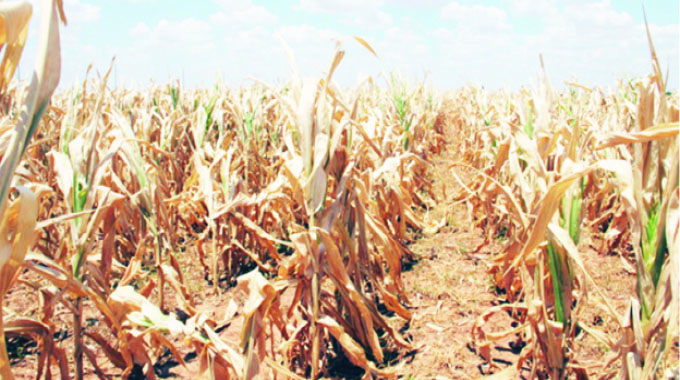
Wajir county, Kenya – As if in a macabre parade, cattle carcasses line the two sides of the dusty road leading into Biyamadow, a sleepy village in northern Kenya’s Wajir county.
The grisly spectacle of dismembered animals rotting beneath the scorching sun is the result of a prolonged drought that has been pushing pastoral communities here – and the livestock they exclusively rely on – to the brink of disaster.
“In 72 years of life, I have never seen something like this,” said Ibrahim Adow, a Biyamadow resident.
Since September, much of Kenya’s north has received less than 30 percent of normal rainfall – the worst short-rain season recorded in decades, according to the Famine Early Warning Systems Network. The lack of rainfall has wiped out pastures and exacerbated food and water shortages.
Adow himself has lost more than half his cattle. Those remaining are too weak to get milk from, too skinny to be sold.
“Nobody wants them,” said the village elder, scratching his orange-dyed beard with exasperation. In the past four months, Adow said, the price of one cow has dropped from about 40,000 Kenyan shillings (US$357) to 5,000 KSH (US$45).
It wasn’t always like this. While residents such as Adow are used to lean times when faced with the effects of droughts – when maize becomes their only meal, the distance to find water extends, their animals become so weak their bones poke from underneath their skin – they are also accustomed to the eventual return of rainfall and, along with it, greener pastures, healthier animals and fewer financial troubles.
But if no rainfall comes by the end of the year, as experts predict, it will be the third consecutive poor rain season since December 2020. That was when the current drought began, just three years after the previous one ended and much sooner than the more typical five to seven-year cycle – a period too short for pasture and water bodies to fully regenerate.
“More frequent and longer droughts are becoming the order of the day,” said James Oduor, director of Kenya’s National Drought Management Authority (NDMA).
Last month, the United Nations said it expected about 2,4 million people across Kenya’s arid and semi-arid counties, including Wajir, to struggle to find food from November – up from 1,4 million in February.
One of them is Zenab Kule, a 25-year-old who is six months into her pregnancy. For the past four of these months, she has been feeding herself and her two sons – aged one and two – just with maize.
Both toddlers are suffering from diarrhoea, one of the most frequent symptoms of malnourishment among children below five. They also get sick easily, with Kule fearing her youngest is becoming too weak to recover from a flu. As for herself, unusual fatigue and accelerated heartbeat due to dehydration has made her daily life a struggle.
More than 465 000 children and 93 000 pregnant and breastfeeding women, the two most vulnerable groups in times of droughts, are already acutely malnourished across northern Kenya.
Women are traditionally responsible for fetching water for the household, but the daily task can become an hours-long journey in the absence of rainfall, Wajir county health director Somow Dahir said. The NDMA estimates that the average distance to find water in October in the northern county was about 14km.
Breastfeeding mothers’ prolonged time outside the household severely affects young children who consume less milk, especially when the family has lost its cattle to the drought. Also, a maize-only diet reduces milk production and makes it less nutritious.
According to the World Meteorological Organization (WMO), 2020 ranked as the third-warmest year ever recorded in Africa. – Al Jazeera



 Online Reporter