admin
admin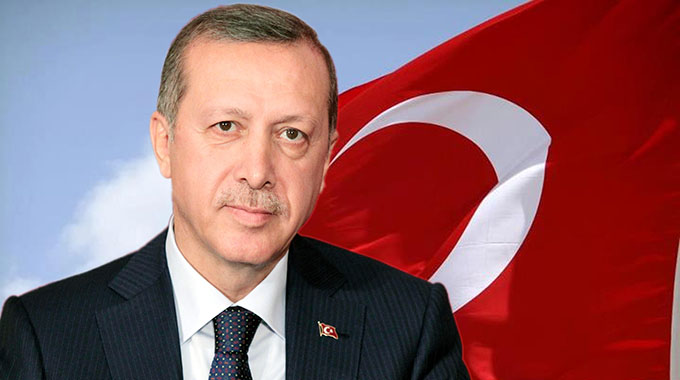
ANKARA. – After a frenetic campaign with multiple daily rallies across Turkey, President Recep Tayyip Erdogan’s AKP lost the major cities including Istanbul in Sunday’s local elections, leaving the ruling party damaged but not beyond repair, analysts said.
Some said the losses suffered by the long-ruling party were mostly a result of last year’s currency crisis and an economic recession, the first in a decade.
But others pointed to the lacklustre candidates fielded by the Justice and Development Party’s (AKP) as well as declining support from Kurdish voters.
The AKP or its predecessors held Istanbul and Ankara since 1994. Erdogan first rose to prominence as a successful mayor of Istanbul between 1994 and 1998.
Why has the AKP lost major cities?
The AKP came to power after the financial crisis in 2001 brought Turkey to its knees. In the years after, Erdogan was praised for the path he took to make the Turkish economy competitive.
Pundits took to saying that while the economy helped the AKP to win in 2002 it could as easily damage the party at the ballot box.
That is what happened on Sunday, losing not only Istanbul and Ankara but also Antalya, for a combined population of around 22 million out of 82 million nationwide.
“The economic crisis has really hurt voters, particularly the urban poor and lower middle classes that are AKP’s core support,” Berk Esen of Bilkent University said.
“Erdogan has drawn support from his base during the last few elections by promising that political stability would bring economic prosperity. Neither happened under his watch.”
Esen also said the candidates fielded by the AKP were “outshone” by opposition candidates including popular centrist mayors.
Emre Erdogan, a professor at Istanbul Bilgi University, said a key factor was the drop in support from Kurdish voters for the AKP.
“The aggregate numbers show that CHP (Republican People’s Party) candidates became successful in attracting the majority of voters” from the pro-Kurdish Peoples’ Democratic Party (HDP), not because of CHP policies but in reaction to the government’s “harsh policies” in Kurdish-majority cities.
After a two-year ceasefire collapsed, clashes between the PKK and Turkish security forces resumed, while Erdogan’s rhetoric against the HDP became harsher during the campaign, which experts say alienated many Kurdish voters.
How will President Erdogan react?
President Erdogan is “wounded because of Istanbul but he is very much alive,” said Ayse Ayata, a professor at Ankara’s Middle East Technical University. – AFP


 Online Reporter