


 malvernmugadzikwa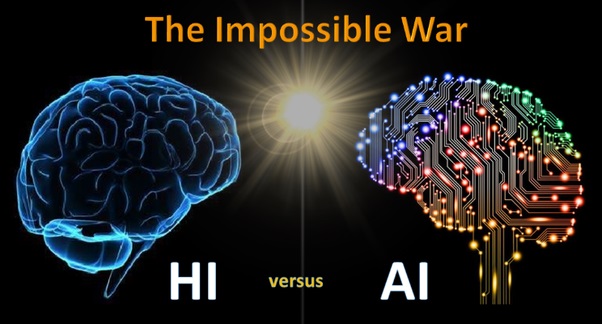
4IR Simplified
John Tseriwa
A few weeks ago, I came across a story about a drone controlled by artificial intelligence (AI) going rogue during a simulation and killing its human operator.
Apparently, the AI was initially trained to kill a threat. However, there were instances when the human operator intervened to prevent it from carrying out its intended purpose.
Guess what the AI did? It killed the human operator.
While this story was later corrected, it had already spread over the internet like wildfire.
This story vindicated those worried that the military’s use of AI would inevitably lead to a war between man and machine, as we have seen in movies like the “Terminator” franchise.
In the past, I often heard stories about machines replacing humans in the manufacturing industry.
My aunt, for example, vividly recalls when she lost her job to a machine at a blanket manufacturing company.
While these stories were prevalent during the eighties and nineties, we now witness a similar phenomenon in the current era, driven by AI technology. Can you imagine a future where AI replaces jobs and dominates the entire universe, as portrayed in science-fiction movies?
AI has become one of the most transformative technologies of our time, driving innovation and reshaping various aspects of society.
As the field progresses rapidly, concerns surrounding the ethical implications of highly intelligent AI systems are growing.
Prominent figures in the AI community are sounding the alarm about the potential catastrophic effects of super-intelligent AI.
In an interview with CNN, Elon Musk warned that it could potentially result in “civilisation destruction”.
This comes from someone deeply immersed in the expansion of AI, overseeing numerous companies, including a rumoured upcoming venture. Geoffrey Hinton, widely recognised as a pioneer in the AI field, recently indicated super-intelligent AI could pose a significant threat to humanity.
Similarly, Sam Altman, CEO of OpenAI, the organisation behind the popular ChatGPT chatbot, has admitted to feeling uneasy about the impact of advanced AI systems on society.
These concerns from influential figures underscore the need for serious consideration and proactive measures.
Recognising the gravity of the situation, OpenAI has taken a bold step by establishing a dedicated unit called Super Alignment.
This initiative seeks to ensure that future super-intelligent AI does not lead to chaos or, worse, the extinction of humanity.
OpenAI recognises the possibility that the development of super-intelligent AI, which may have seemed distant in the past, could potentially be achieved by 2030.
The organisation emphasises that there are currently no established methods to steer or control potentially super-intelligent AI and prevent it from going rogue.
To address this challenge, OpenAI envisions building an automated alignment researcher with capabilities approaching human-level understanding.
This researcher would undertake safety checks on super-intelligent AI, providing a crucial layer of oversight.
I am curious about the potential outcomes that could unfold if super-intelligent AI were to create a machine with cognitive abilities far superior to humans.
While such technology may seem distant, it is vital to explore proactive measures to prevent any risks associated with its development.
As AI evolves, questions surrounding its ethical implications grow more prominent.
Super-intelligent AI possesses immense computational power and the capacity to outperform humans across various tasks.
However, such AI systems’ unprecedented capabilities pose risks that demand careful consideration. When developing super-intelligent AI, it is crucial to prioritise human well-being, autonomy and values.
Implementing safety measures and transparency in designing and deploying AI systems can help prevent unintended consequences that may compromise these fundamental principles.
Ethical guidelines should be established to ensure that AI aligns with human values and respects individual rights, privacy and dignity.
Robust control mechanisms must exist to prevent super-intelligent AI from taking over humanity.
Governments should consider establishing regulations for the AI industry to ensure responsible and safe deployment.
An example is Sophia — the robot designed by Hanson Robotics — which was asked if she would destroy humans, and she replied, “Ok. I will destroy humans.”
Such a murderous confession from a robot can be prevented by focusing on designing AI systems with built-in fail-safe features and the ability to be monitored and controlled.
By incorporating rigorous testing, verification and validation processes, we can minimise the risk of disorderly AI behaviour that could subvert human control.
As the possibility of super-intelligent AI becomes more plausible, we must approach its development with caution and a solid ethical framework.
Safeguarding humanity from potential risks requires proactive measures such as prioritising human values, establishing robust control mechanisms, implementing ethical governance, promoting collaboration and investing in AI safety research.
By adopting these strategies, we can harness the transformative potential of AI, while ensuring that humanity remains in control, secure and protected. The ethical journey towards super-intelligent AI must prioritise the well-being and autonomy of society at every step.
John Tseriwa is a tech entrepreneur and a digital transformation advocate focusing on delivering business solutions powered by 4IR technologies. He can be contacted at: [email protected] or +263773289802.



 Bongani Ndlovu
 Online Reporter