Online Reporter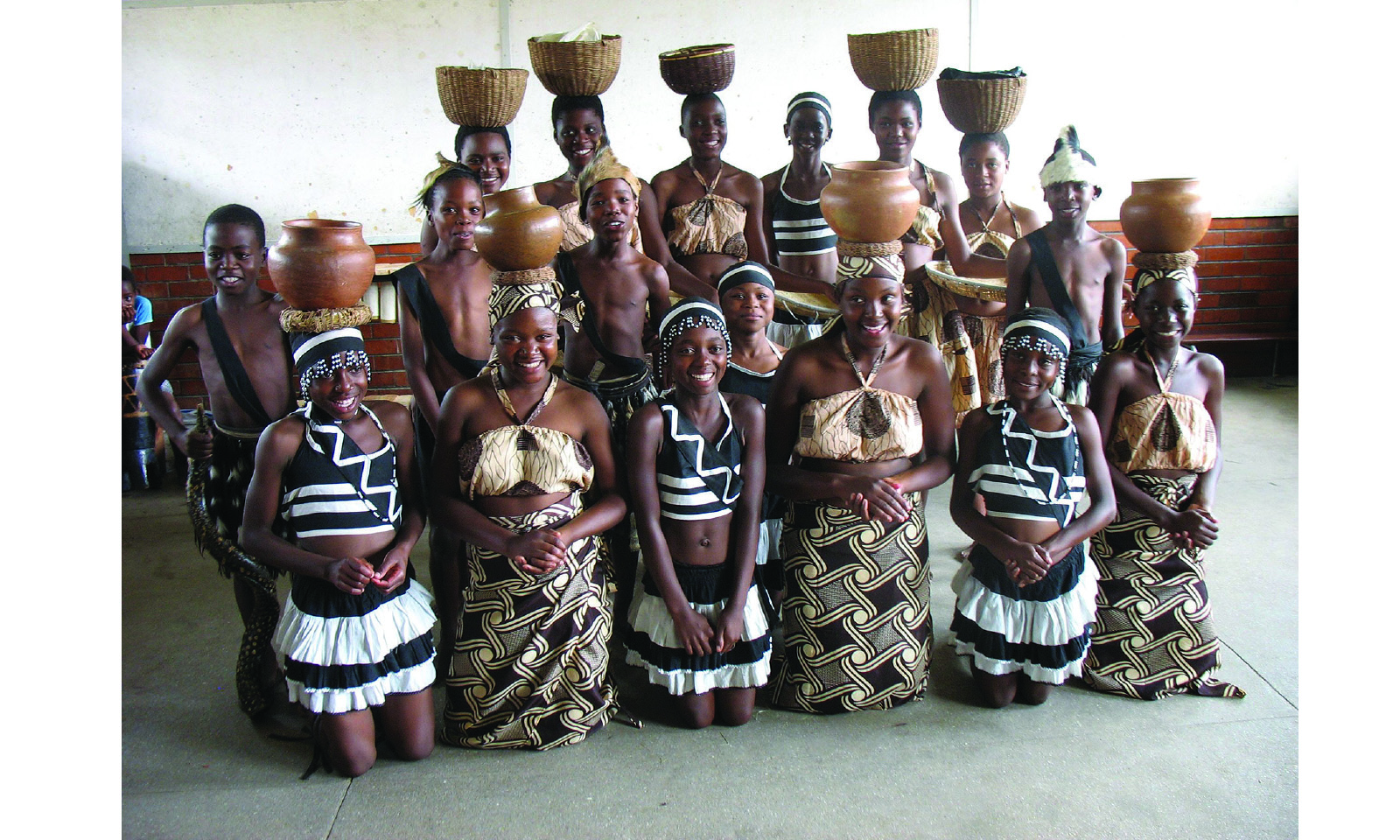
Coach Molly Chuma
Grooming Matters
IN Zimbabwe, faith and culture are woven into the fabric of everyday life.
From Sunday church services and traditional ceremonies to weddings, funerals and national holidays, our gatherings are rich with meaning and layered with unspoken rules of conduct. Understanding and practicing etiquette at these occasions is not about formality. It is about respect, unity, and preserving the values that define who we are as a people.
- The spirit of respect
At the heart of all religious and cultural gatherings in Zimbabwe lies respect for elders, for tradition, for space, and for others’ beliefs. Whether attending a church service, a traditional ceremony, or a family event, a respectful attitude speaks louder than any gesture.
Simple acts such as greeting elders properly, removing your hat in sacred places, and dressing modestly show consideration. In Shona culture, greeting is an acknowledgment of another’s humanity. “Makadii?” (How are you?) or “Maswera sei?” (How has your day been?) are not just words but connections. Similarly, in Ndebele culture, greetings like “Unjani?” carry warmth and sincerity.
- Dress with dignity
Clothing choices should align with the setting. At church, neat and modest attire is expected, reflecting reverence. For traditional ceremonies such as bira (ancestral rituals) or lobola (bride price), cultural dress like the zambia, wrap skirt, or headscarf demonstrates belonging and respect.
Even when modern styles are acceptable, simplicity and cleanliness remain the golden rule. Dressing inappropriately at sacred or family gatherings can easily be interpreted as arrogance or lack of upbringing. Remember, elegance does not depend on expense but on appropriateness.
- Timing is a sign of honour
Punctuality in Zimbabwean culture is not always rigid, but for religious or formal events, arriving on time reflects honour for hosts and the occasion. At church, being seated before the service begins avoids disrupting worship. At funerals or weddings, late arrivals can be seen as disrespectful.
If unavoidable circumstances delay you, enter quietly and with humility. Courtesy transcends timing. It is about the manner in which you conduct yourself when you arrive.
- Participate with grace
Every gathering has its rhythm. Observe before acting. At church, stand, kneel, or clap when others do. During traditional ceremonies, wait to be guided before greeting elders or participating in rituals.
Avoid drawing unnecessary attention to yourself through loud behaviour, constant phone use, or inappropriate laughter. Even if you are familiar with the customs, silent observation and a willing heart will always be appreciated.
- Words matter
Our words carry power, especially in religious and cultural spaces. Speak with humility. Avoid gossip or arguments, particularly about beliefs or practices you do not share.
When giving a speech, testimony, or prayer, be sincere and brief. Those moments are not about showcasing eloquence but expressing gratitude, reverence, or love. Remember, tone and timing matter just as much as what is said.
- Handling differences with tact
Zimbabwe’s beauty lies in its diversity. You may find yourself attending a Catholic mass one weekend and a traditional nhimbe (community work gathering) the next. Even if you do not share the same faith or traditions, show respect by observing quietly and refraining from criticism.
When unsure of what is expected, quietly ask someone knowledgeable, perhaps an elder or the host, before the event begins. It is better to inquire than to offend through assumption.
- Children and younger guests
Children reflect their upbringing. When bringing them to a ceremony or service, teach them how to behave respectfully, to greet elders, remain seated quietly, and not interrupt proceedings. If they become restless, step outside momentarily rather than allowing disruption.
As adults, we set the example. The next generation learns etiquette not through lectures, but through observation.
- Technology and modern manners
In today’s digital world, phones can easily disturb solemn or sacred moments. Switch your phone to silent or off during services, weddings, funerals, and cultural events. Avoid taking photos without permission, especially in ceremonies involving elders, traditional leaders, or rituals.
Even well-meaning social media posts can unintentionally reveal private or sacred details. Share respectfully, or better yet, simply experience the moment fully.
- Gratitude and follow-up
After any gathering, whether a church function, funeral, or celebration, expressing gratitude leaves a lasting impression. A simple message, call, or visit to thank your host shows good breeding. Gratitude completes the circle of etiquette.
- What it all means
Etiquette at religious and cultural gatherings is not about being perfect. It is about being aware, sensitive to people, space, and spirit. When we honour these values, we strengthen our sense of community and continuity.
In a world rushing toward modernity, our politeness, respect, and calm presence become timeless virtues.
As I often say in my sessions, true refinement is not shown in grand gestures but in quiet respect, how you greet, how you listen, and how you treat sacred moments. Grace never goes out of style, especially when rooted in our Zimbabwean identity.
Coach Molly Chuma is a grooming and etiquette coach who writes about confidence, culture, and character./ Call or WhatsApp: +263 772 956 884/ www.theluminaryinstitute.co.zw/ coachmolly.chuma@ gmail.com