Herald Reporter
WARD 18 Councillor Rufaro Matsika has called for strengthened community participation in the fight against drug and substance abuse, commending President Mnangagwa and First Lady Dr Auxillia Mnangagwa for their efforts to address the scourge and protect vulnerable members of society.
Speaking at a multi-stakeholder anti-drug and substance abuse awareness campaign at Sam Levy’s Village Shopping Mall in Borrowdale on Saturday, Councillor Matsika said the national response needed to be complemented by sustained action from law enforcement agencies, local authorities, churches, schools, businesses and communities.
She said combating substance abuse was critical to safeguarding families, protecting the country’s human capital and advancing Zimbabwe’s development aspirations, adding that both young people and older citizens were suffering the consequences of the scourge.
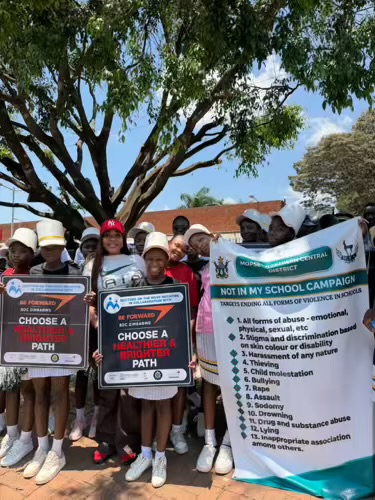
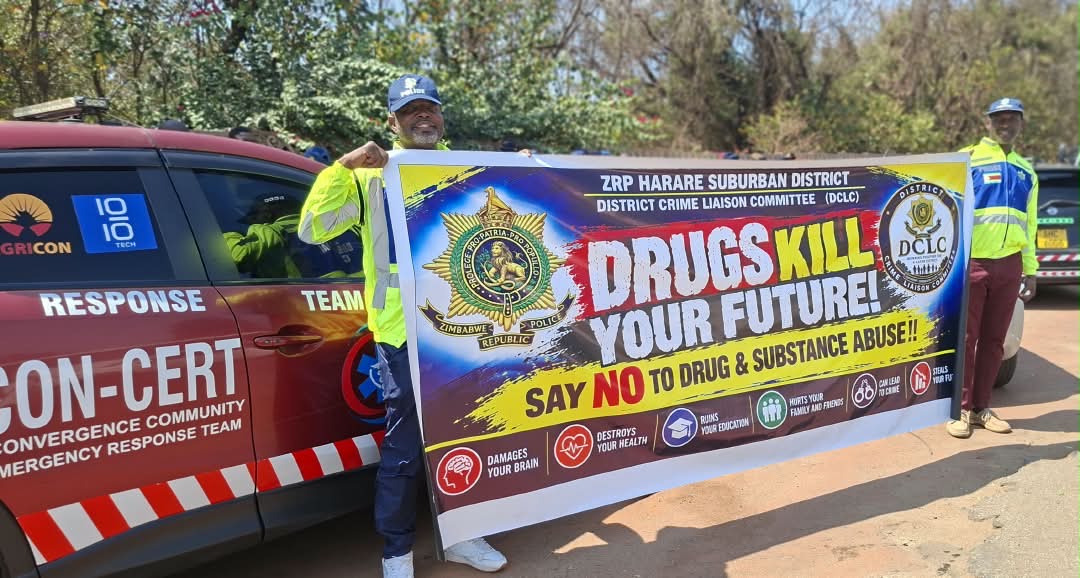
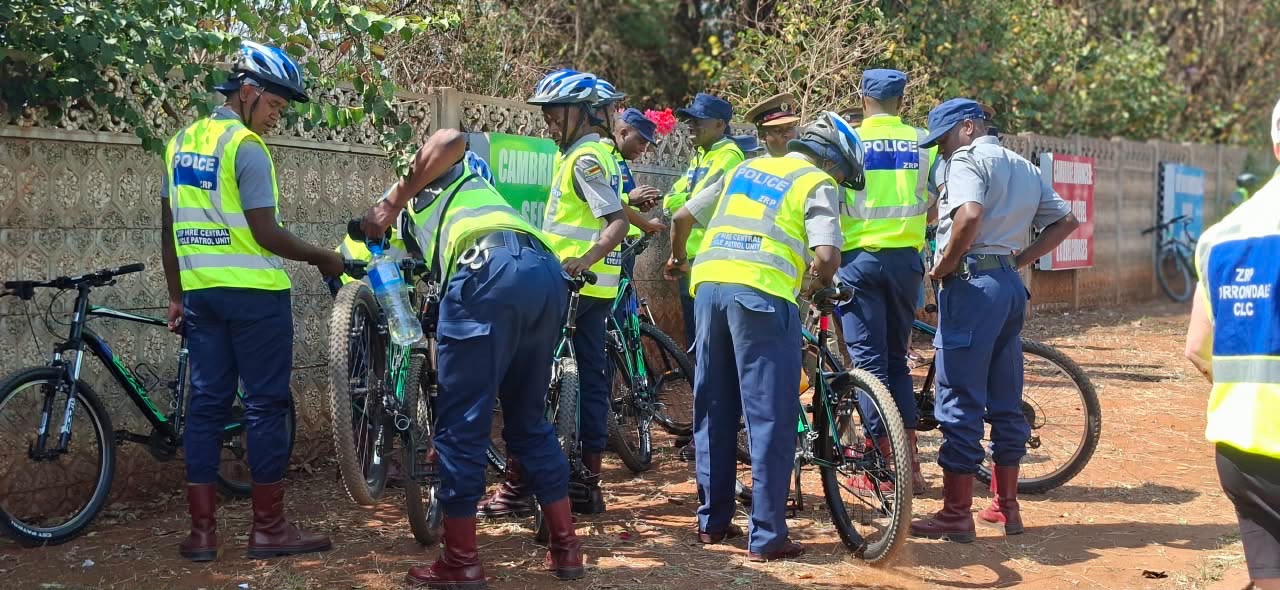
The campaign, held under the theme “United Against Drugs, Building Safer Communities, Protecting Our Future”, was organised through collaboration involving the Zimbabwe Republic Police (ZRP), Christian Community Police Network, Business Against Drugs and Substance Abuse Forum (BADSAF) and Sam Levy’s Village.
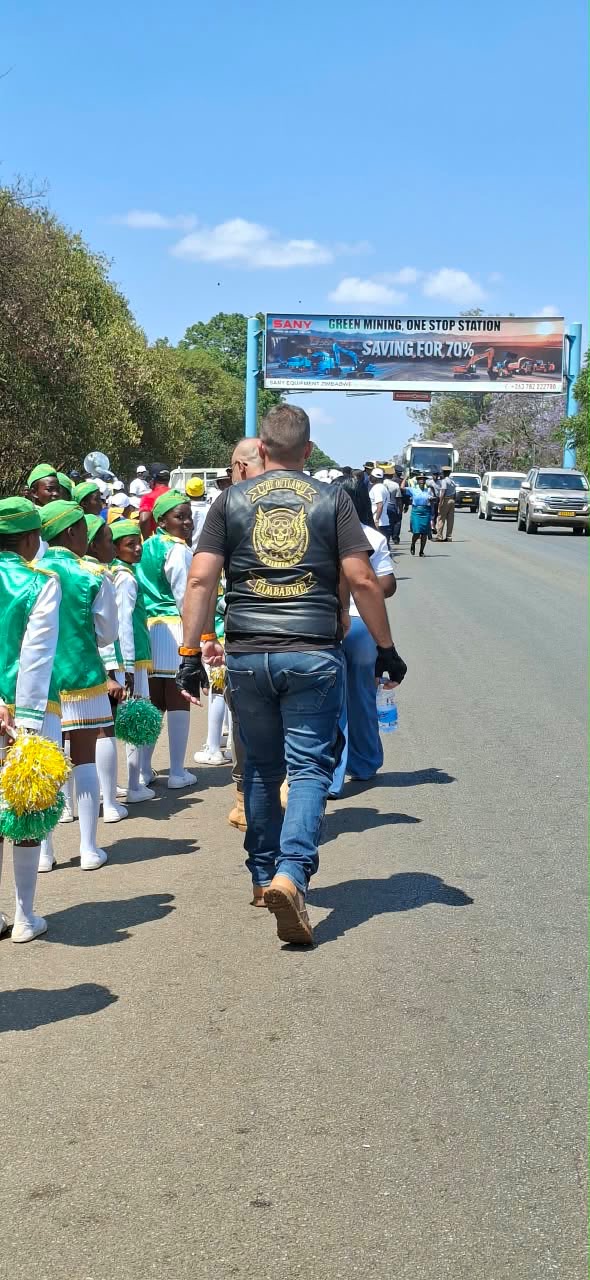
The programme began with a march from Helensvale Shopping Centre to Sam Levy’s Village Shopping Mall before participants gathered for awareness activities and messages against drug and substance abuse.
The event brought together stakeholders from the public and private sectors, civic organisations, educational institutions, churches and the business community, demonstrating the importance of a coordinated response to the challenge of substance abuse.
Councillor Matsika, who is also chairperson of the City of Harare Business Committee, said the efforts being made by President Mnangagwa and the First Lady to address drug and substance abuse needed to be reinforced through practical interventions at community level.
She said the First Lady’s advocacy for the welfare of vulnerable groups and young people had helped draw attention to challenges affecting families and communities.
“President Mnangagwa has consistently emphasised the importance of safeguarding the country’s future, and the fight against drug and substance abuse is an important part of that responsibility. We also recognise the efforts of the First Lady, Dr Auxillia Mnangagwa, in championing the welfare of our people and drawing attention to challenges affecting young people and vulnerable members of society.
“As communities, we must complement these efforts by translating awareness into practical action. Government cannot fight this scourge alone; we need the police, local authorities, churches, schools, businesses, parents and residents to work together to protect our children and young people,” she said.
Councillor Matsika said drug and substance abuse was not merely a law enforcement concern but a public health and social development challenge requiring prevention, early intervention, rehabilitation and reintegration.
“As a community leader, a mother, an ambassador for the girl child under Young Women for Economic Development and a resident of Ward 18, I am encouraged by the coming together of stakeholders who recognise the urgency of this challenge.
“Drug and substance abuse is destroying lives, contributing to accidents and deaths, undermining family stability and exposing our children and young people to serious risks. We must therefore move beyond expressing concern and work together to prevent substance abuse and protect those who are vulnerable,” she said.
She called for a comprehensive approach that protects both young people, who represent the country’s future generation, and older members of society who often bear the consequences of substance abuse within their families.
“We must protect both the young, who represent our future generation, and the elderly, who are also suffering the consequences of broken families, premature deaths, destruction, ill health and mental illness associated with drug and substance abuse.
“Our response must recognise the suffering of all those affected, strengthen family support systems and ensure that vulnerable members of society are not left to bear these challenges alone,” she said.
Councillor Matsika said the effects of substance abuse extended beyond the individuals consuming drugs, often leaving parents, grandparents, spouses and children to cope with emotional distress, family breakdown and the loss of loved ones.
She said communities needed to strengthen support systems for affected families while ensuring that people experiencing substance-related problems could access appropriate treatment and rehabilitation.
The councillor urged residents to cooperate with law enforcement agencies by reporting suspected drug-related activities through appropriate channels and supporting initiatives aimed at creating safer neighbourhoods.
She said the involvement of Government agencies, the City of Harare, churches, schools and the business community was essential in addressing both the supply of illicit substances and the circumstances that could expose young people to substance abuse.
Councillor Matsika also called for sustained public awareness programmes and accessible recreational facilities to encourage young people to participate in constructive activities.
“As council, we have a responsibility to work with our communities and partners to make social amenities available, including sports grounds, swimming pools, libraries, safe green parks and community halls.
“These facilities can help create positive spaces where young people develop their talents, build relationships and participate in activities that contribute to their personal growth. We must embrace partnerships and ensure that our efforts are continuous and sustainable,” she said.
She said communities needed to provide young people with opportunities to develop their talents, acquire skills and participate in activities that promoted responsible lifestyles and personal development.
The campaign also highlighted the importance of rehabilitation and reintegration, with information provided on facilities where people affected by substance abuse could seek assistance.
Facilities listed on the campaign material included Sally Mugabe Psychiatric Hospital, Parirenyatwa Hospital, Wilkins Rehabilitation Centre, Angel of Hope Rehabilitation Centre and Ruwa Rehabilitation Centre.
Members of the public were also encouraged to report suspected drug-related activities through the designated police reporting channels displayed on the campaign material.
Bikers pledge support
Motorcycle riders pledged to support anti-drug and substance abuse initiatives, with Zim Free Riders chairman Mr Ngoni Chimbalu calling for continued cooperation between community groups and law enforcement agencies.
Mr Chimbalu said the bikers appreciated the ZRP’s efforts and were prepared to use their networks to raise awareness about the dangers of substance abuse.
“We really appreciate the efforts being made by the Zimbabwe Republic Police in this campaign against drug and substance abuse. We understand how drugs are affecting our communities and society, and we are ready to assist in raising awareness,” he said.
He said Zim Free Riders had previously partnered with organisers on similar campaigns in Chitungwiza and other areas, adding that sustained community engagement was necessary to reach more people.
Mr Chimbalu said substance abuse was undermining not only family and community stability but also national economic development by affecting the health, productivity and potential of young people.
“When young people are suffering from drug and substance abuse, it becomes difficult to implement economic development initiatives effectively. The problem affects families, the health of our nation and the development of the country.
“We therefore applaud these initiatives and encourage the organisers to continue holding such events. As bikers, we are ready to support these efforts,” he said.
His participation highlighted the role that organised motorcycle groups and other community-based networks can play in extending public awareness messages beyond formal campaign venues.
ConCERT calls for community responsibility
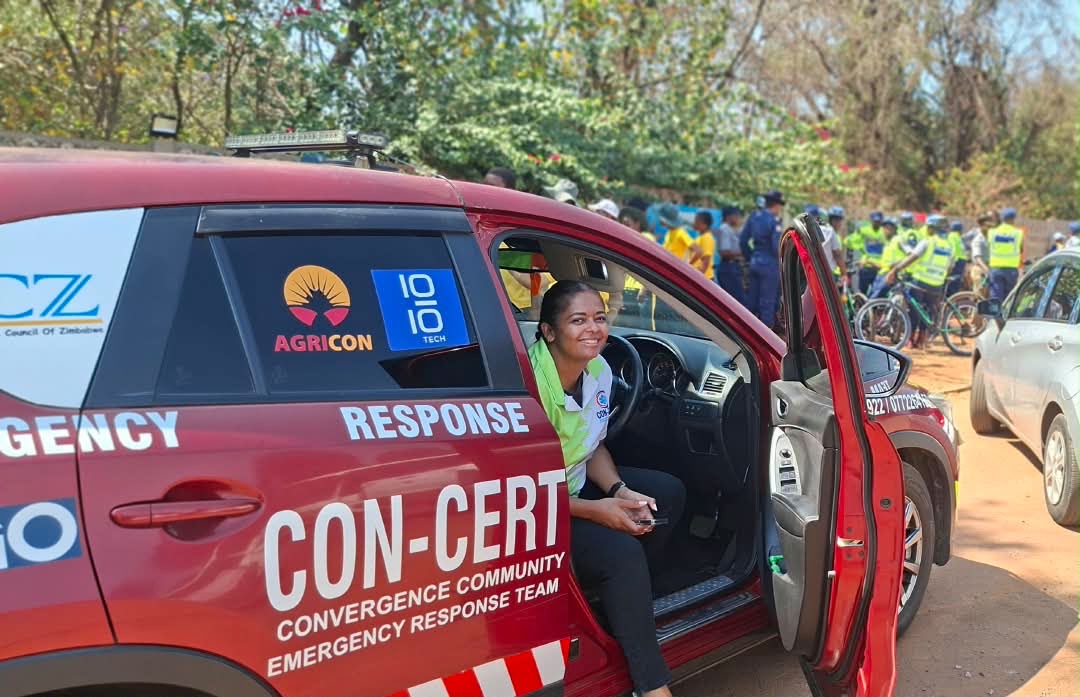
Convergence Community Emergency Response Team (ConCERT) administrative director Mrs Patricia Townsend also attended the campaign, bringing a community safety and emergency-response perspective to the initiative.
Mrs Townsend said drug and substance abuse affected entire communities, placing pressure on families and essential services while increasing the risks faced by vulnerable people.
“Prevention must begin within our homes, schools, churches and neighbourhoods. When communities work together, raise awareness and encourage people to seek appropriate assistance, we strengthen our ability to protect lives and create safer environments for everyone,” she said.
She urged residents to promote early intervention, report suspected drug-related activities responsibly and encourage people experiencing substance-related problems to seek appropriate support.
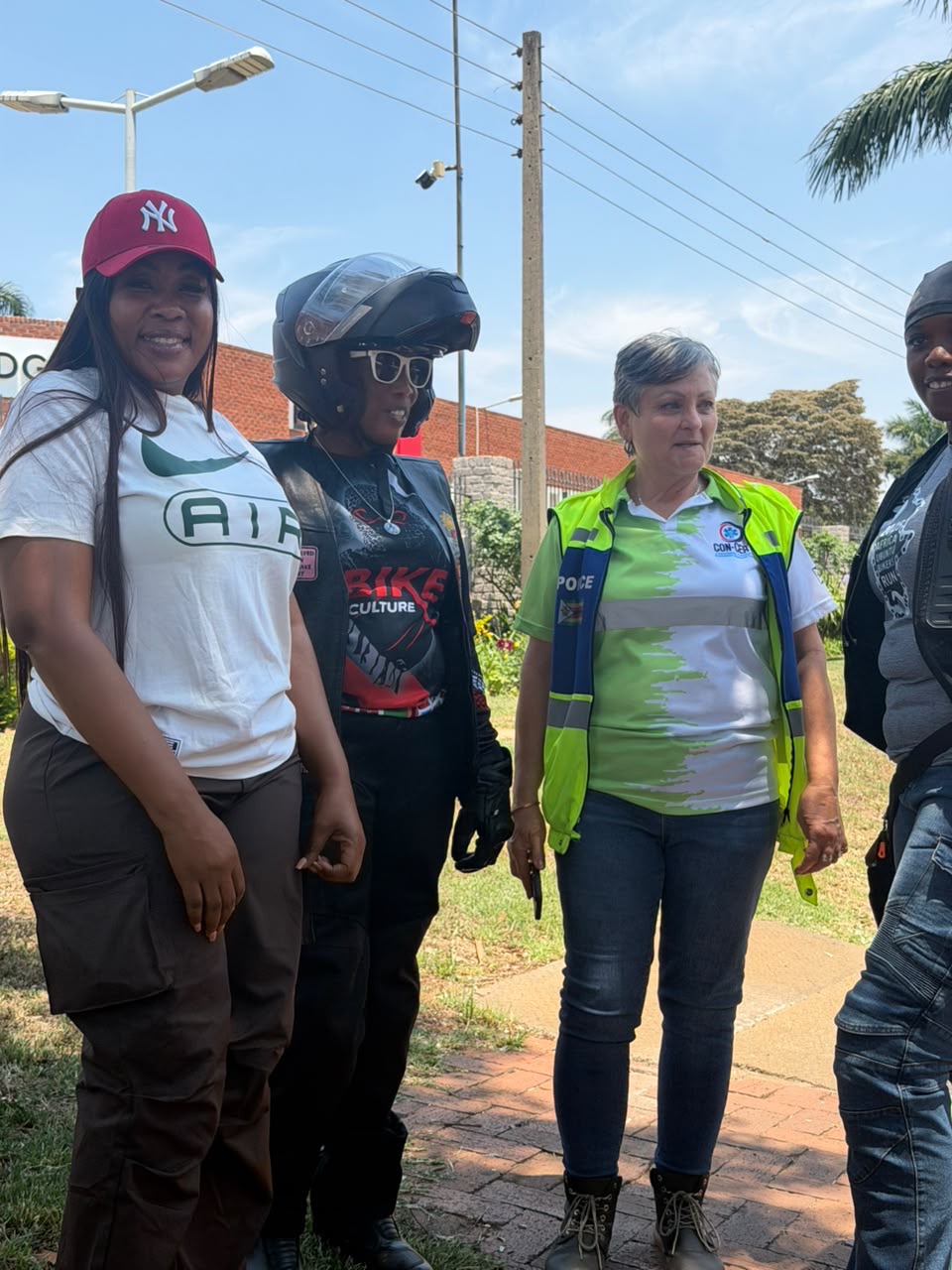
ConCERT’s participation highlighted the importance of community-based organisations working alongside law enforcement agencies and other stakeholders to strengthen public safety and prevent harm.
Other organisations listed on the campaign material as supporting or participating in the initiative included the National Anti-Corruption Association of Zimbabwe, Booties Pharmacy, Vita Pharmacy, B Forward, Pozza Beverages, the Environmental Management Agency, Focus Security Company, National AIDS Council and Zimparks.
Educational institutions identified on the material included the University of Zimbabwe, Midlands State University, Seke, Hatcliff 1 and Vainona, alongside churches and other community stakeholders.
The programme also featured entertainment, including performances by police bands, to engage residents and reinforce the campaign’s message.
Councillor Matsika said the success of the initiative would ultimately depend on stakeholders sustaining their commitment beyond the event and ensuring that awareness was translated into practical interventions.
She said communities had a shared responsibility to support national efforts against drug and substance abuse by protecting young people, assisting affected families and ensuring that older citizens and other vulnerable members of society received the support they needed.
The campaign reaffirmed the need for a united approach involving Government, law enforcement agencies, local authorities, businesses and communities to prevent substance abuse, strengthen families and build safer, healthier and more productive communities.