Online Reporter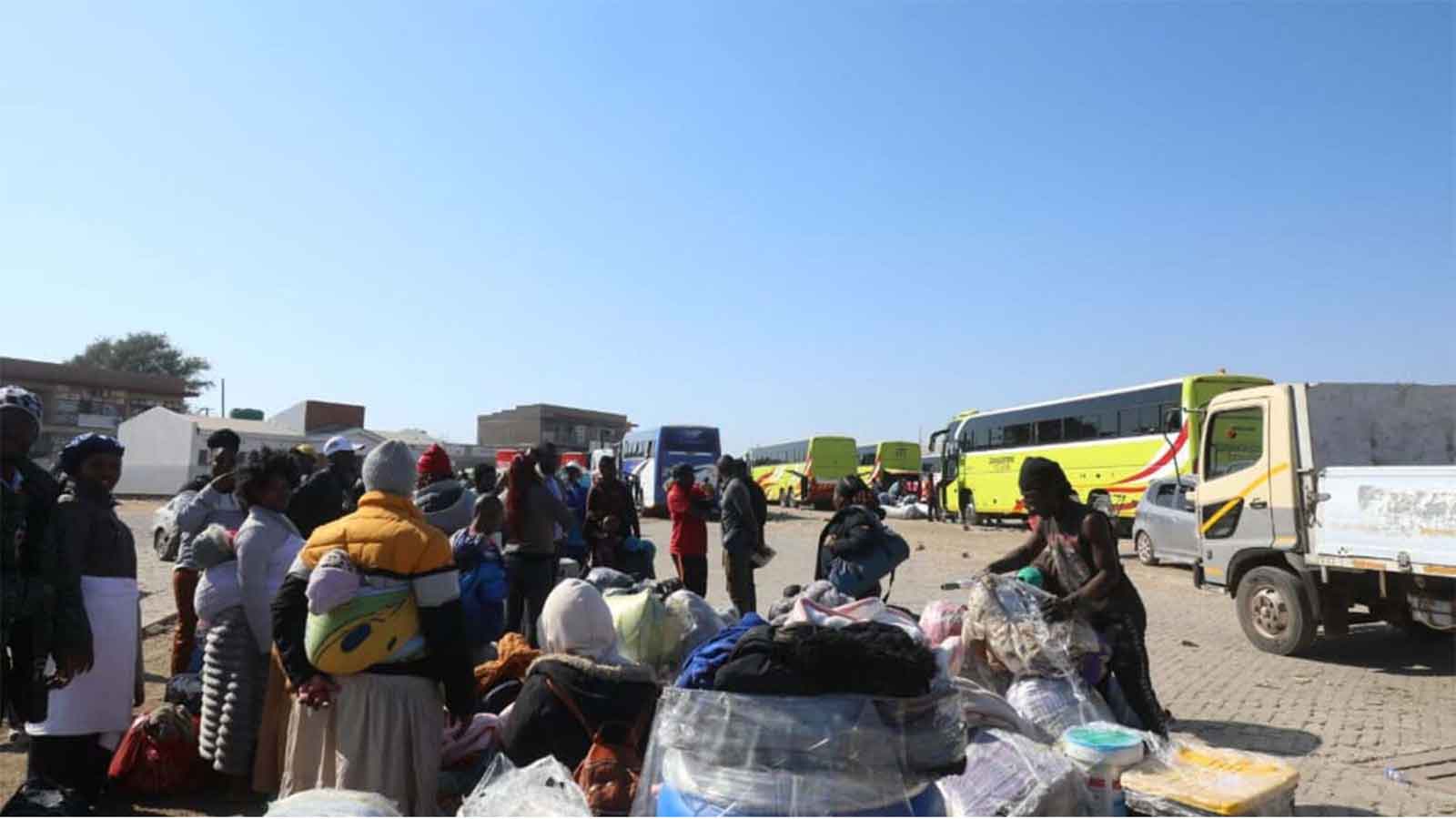
Precious Manomano
Herald Reporter
THE European union (EU) has availed US$345 000 in humanitarian assistance to support Zimbabwe’s response to the growing influx of returnees from South Africa and the ongoing cholera outbreak.
The funding will help provide life-saving assistance to thousands of vulnerable people, complementing Government-led interventions and efforts by humanitarian partners.
In a statement yesterday, the EU said the funding would support the Zimbabwe Red Cross Society in assisting more than 5 000 vulnerable Zimbabweans returning from South Africa following recent violence targeting foreign nationals.
Between April and July 28, nearly 110 000 Zimbabweans crossed back into the country through Beitbridge Border Post, placing immense pressure on reception facilities.
Many of the returnees have been spending nights at the Beitbridge reception centre while waiting for transport to their home areas, exposing them to cold winter conditions and inadequate shelter.
“The EU is reinforcing its support with US$345 000 in humanitarian aid to contribute to the support to the increased number of Zimbabwean returnees fleeing violence in South Africa and to strengthen Zimbabwe’s response to a surging cholera outbreak,” the bloc said.
The funding will enable the Zimbabwe Red Cross Society to provide emergency shelter, food, blankets, clean water, healthcare services, hygiene assistance and other essential relief supplies.
The programme will also offer psychosocial support, protection services and Restoring Family Links (RFL), which helps reunite separated families.
Special attention will be given to women and children, older persons, people living with disabilities and other vulnerable groups.
The EU noted that women and girls account for an estimated 65 percent of the returning population and would receive targeted assistance to address their health, protection and dignity needs.
Part of the funding has also been earmarked for Zimbabwe’s cholera response following the outbreak that was first detected in Rushinga District in January this year.
The disease has since spread to Nyanga, Mutasa, Mutare City, Chipinge, Chimanimani and Zvishavane, with mining communities and border areas emerging as major transmission hotspots.
According to the EU, inadequate access to safe water, sanitation and hygiene services continues to fuel the spread of the disease in affected communities.
Through the new support, about 88 200 people will benefit from cholera prevention and response activities.
These include training and deploying community volunteers to strengthen disease surveillance, early case detection and referral, hygiene promotion, household water treatment, rapid response interventions and community engagement in affected districts.
The two humanitarian operations will run for six months and will be implemented in collaboration with the Government of Zimbabwe, the International Federation of Red Cross and Red Crescent Societies (IFRC), United Nations agencies, non-governmental organisations and other partners.
The EU said the assistance forms part of its broader humanitarian commitment to saving lives, alleviating suffering and protecting vulnerable communities affected by crises worldwide.