Online Reporter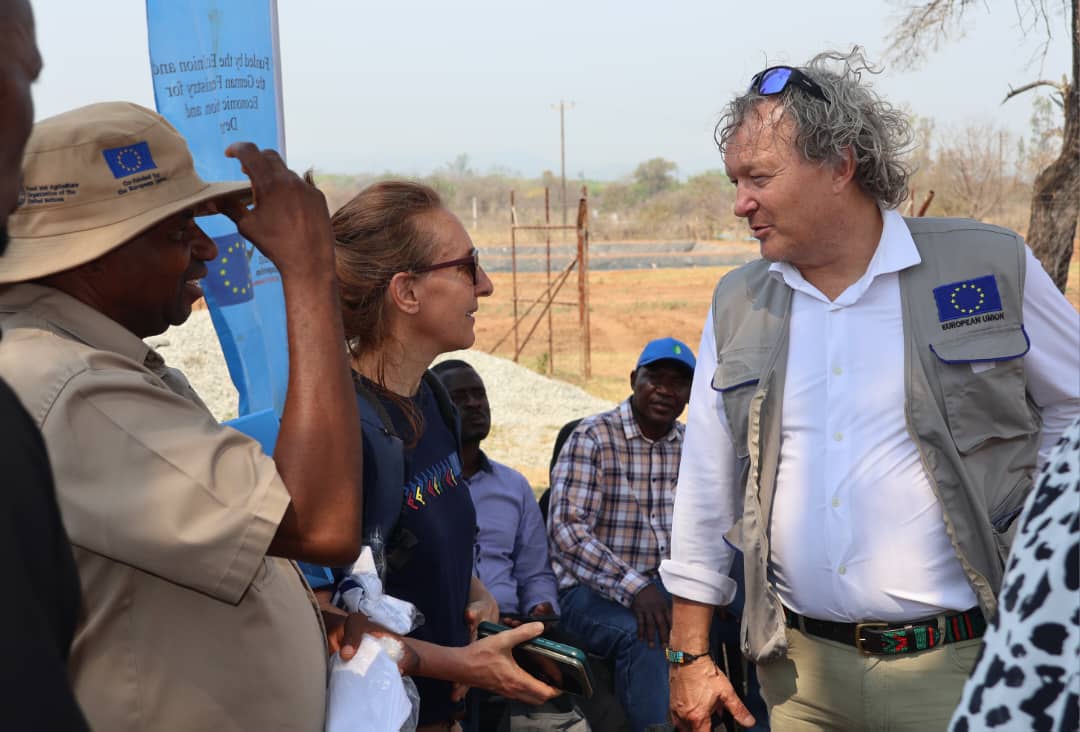
Theseus Mauruki Shambare in MASVINGO
THE European Union has hailed Zimbabwe’s transformation of aquaculture under a €48 million regional development initiative, with US$3.5 million invested locally to strengthen tilapia production infrastructure, distribution hubs and hatchery management.
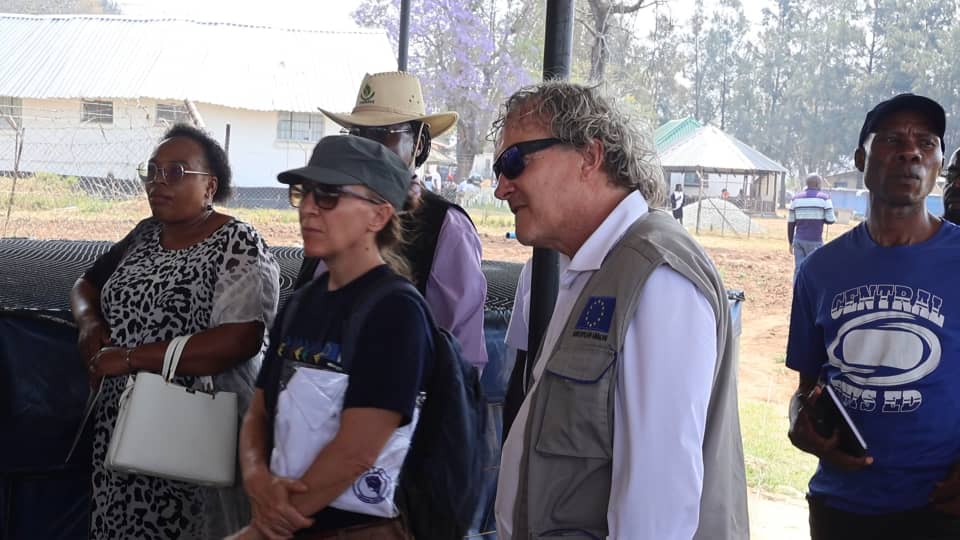
The investment is part of the Fisheries for African, Caribbean and Pacific countries (FISH4ACP) programme, implemented across 12 countries with support from the EU and German Federal Ministry for Economic Cooperation and Development (BMZ).
An EU delegation is currently assessing infrastructure and other interventions supported through the programme, including the Maponga Fingerling Hub at Maponga Farm in Masvingo Province.
Launched in December 2024, the hub was established to address shortages of quality fish seed after an assessment found that about 80 percent of local tilapia fingerlings were either inbred or sourced from unreliable water bodies.
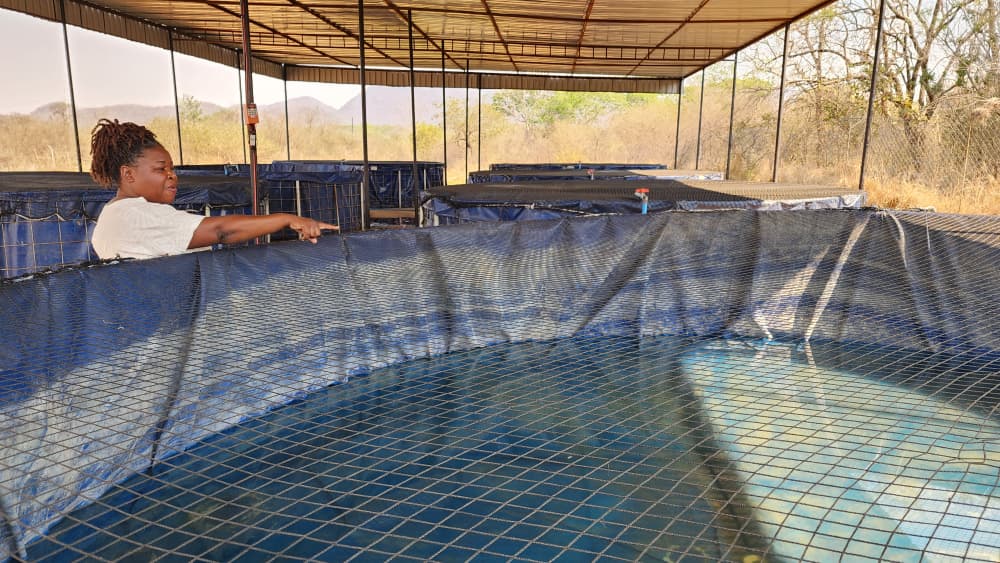
The facility is already supplying about 450 farmers with quality fingerlings closer to their production areas, with production expected to reach one million fingerlings this season.
Representing EU Head of Delegation to Zimbabwe Ms Anna Cichocka, Agriculture, Environment, Private Sector and Trade Engineer Martin Andersen said the hub demonstrated how development funding could translate into practical benefits for rural communities.
“We are happy with how the Government and our implementing partners are ensuring rural areas, especially those that are drought-prone, have sources of livelihoods through inclusive projects.
“It is quite impressive to see how some of the investment coming from FISH4ACP has actually transformed, in the last couple of years, into this kind of hub we are standing in here,” Andersen said in Mashava.
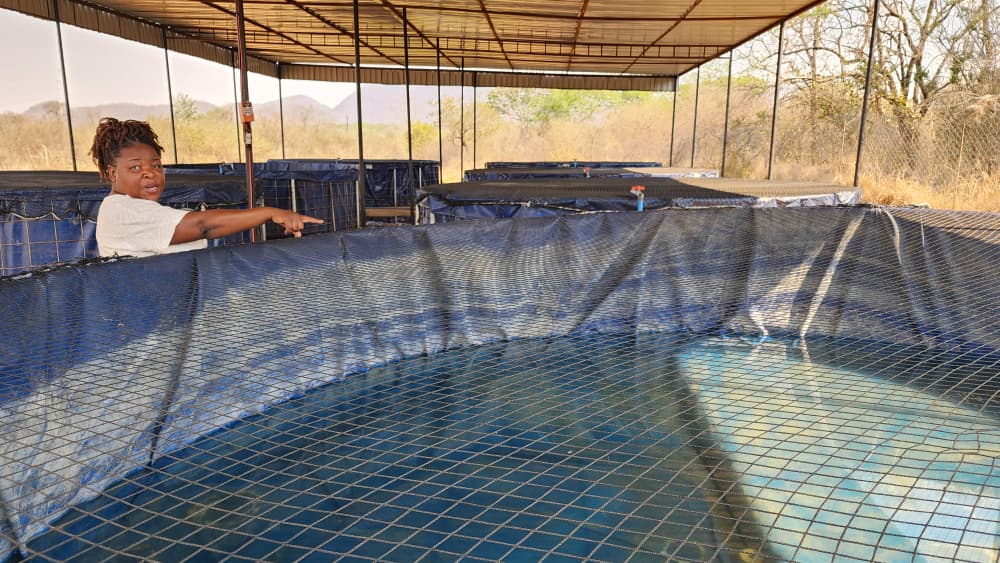
Over a production season, the facility has the capacity to distribute between two million and 2.5 million fingerlings to small-scale farmers.
Currently, it is distributing more than 700 000 fingerlings, with a target of reaching one million this season as it works towards full production capacity.
Fingerlings are nurtured from their early stages to between five and 20 grammes before distribution, improving survival rates among farmers to between 80 and 90 percent.
Andersen said bringing inputs and services closer to farmers was among the key benefits of the intervention.
“What is particularly encouraging about Maponga Fish Hub is that it is bringing critical inputs and services closer to farmers,” he said.
FAO Assistant Representative (Programmes) Ms Tendai Munyokoveri said aquaculture was becoming increasingly important as communities faced climate shocks, while training beneficiaries was critical to ensuring the project remains sustainable beyond FAO’s direct involvement.
“With communities across Zimbabwe increasingly exposed to droughts, erratic rainfall patterns, and extreme weather events, aquaculture provides communities with an alternative source of income when crop production is affected by drought and changing climatic conditions,” she said.
Munyokoveri said the training provided under the programme was designed to equip communities with the skills needed to continue running and developing the facilities as FAO gradually hands over the project to local beneficiaries.
She said the approach was consistent with FAO’s preference for community-led interventions, where beneficiaries are equipped to take ownership of projects and sustain the gains made through development support.
Director for Livestock and Fisheries Production Department Mr Milton Makumbe said Masvingo now had 5 075 fishponds, up from 4 647 during the 2023/24 season.
Under the Presidential Community Fisheries Scheme, 141 community fishponds in Masvingo have been stocked with more than seven million fingerlings, while 120 500 fingerlings have also been introduced into dams.
Makumbe said the EU delegation had been impressed by the implementation of the initiative, which he said was complementing Government’s own Presidential Community Fisheries Scheme.
“The delegation was really impressed with how we have successfully rolled out the initiative in accordance with the expectations.
“Remember, this initiative syncs well with our own Presidential Community Fisheries Scheme, so indeed this has gone a long way in complementing Government efforts,” he said.
Makumbe said Government was targeting at least two fishponds in every village business unit as it seeks to strengthen household nutrition security.
“We are expecting to see each village having at least two fishponds at a village business unit as we seek to achieve nutrition security,” he said.
He said decentralised fingerling production was critical because farmers had traditionally faced high costs and losses transporting fish seed over long distances.
“By bringing fingerlings closer to farming communities, these hubs have improved accessibility, reduced costs and enhanced stocking success rates,” he said.
Beyond fingerling production, Maponga has developed into a demonstration and farmer training centre, while the Mashava Fisheries Cluster helps farmers access inputs, technical support and markets.
Makumbe said Government was targeting a US$1 billion fisheries and aquaculture industry, with Zimbabwe seeking to increase fish production and establish itself as a regional producer of tilapia.