

 admin
admin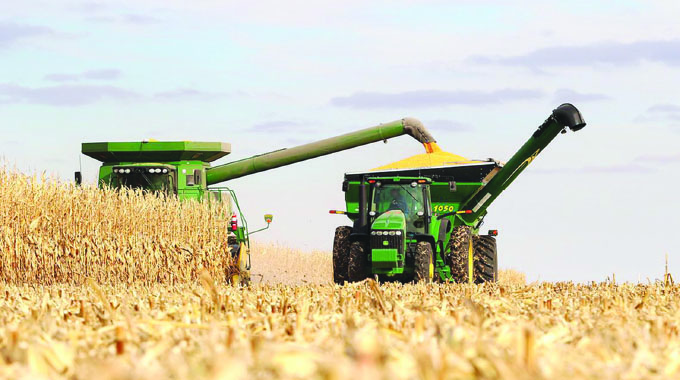
Tracy Gumi Correspondent
It has been 20 years since the illegal sanctions were imposed on Zimbabwe by the West in retaliation to the noble land reform undertaken to correct colonial imbalances in land ownership.
Since then, the country’s developmental plans have been frustrated and eventually Zimbabwe failed to catch pace with its regional peers as far as development is concerned.
It is saddening to think of how far the Zimbabwean economy would have achieved by today had it not been for the draconian sanctions imposed on the country by the West.
The stark reality is that the illegal sanctions placed on Zimbabwe by the West have been a major setback to development.
Sanctions ruined the once thriving economic sectors in Zimbabwe, especially the agricultural sector.
Before the imposition of sanctions, the agricultural sector was the backbone of the Zimbabwe’s economy and was the fastest growing sector as it was generating significant amounts of foreign currency, providing employment and income to over 60 percent of the population.
Zimbabwe carried proudly “the breadbasket of Africa” status, exporting wheat, tobacco, and corn to the wider world, especially to other African nations.
The horticulture industry was also blossoming as farmers were exporting horticultural produce to countries like the Netherlands and United Kingdom.
However, the markets were closed due to the sanctions, resulting in a decline in the horticulture industry’s output.
The country lost most of its niche and lucrative markets for horticulture productions because of the restrictions that accompanied the illegal sanctions.
One of the most affected sectors were the manufacturing and processing industries which were also forced to close due to lack of investment and lines of credit.
This made it difficult for these industries to restore and invest in better plant and machinery, resulting in the retrenchment of many Zimbabweans.
Also, shortages in supply of vaccines and other drugs affected animal health in the country.
This resulted in failure by the relevant departments to control diseases like foot and mouth, which in turn affected the country’s beef export.
Zimbabwe was literally cut off from the rest of the world as access to international credit markets was blocked after the enactment of the sanctions law, the Zimbabwe Democracy and Economic Recovery Act (ZIDERA) by the United States.
The country was barred from getting the much needed loans from international financiers such as the International Monetary Fund (IMF) and to date, the country received no support from the World Bank since 2001.
The worst part of it all is that Zimbabwe’s image was tainted and to date, potential investors have shied away from investing in the country despite the many opportunities offered and President Mnangagwa’s “Zimbabwe is Open for Business” mantra, as they fear to be blacklisted by the West.
The actual truth is that Zimbabwe would be so much better without sanctions, better than any of the developing countries.
The illegal sanctions drove Zimbabwe 10 steps backwards and its development trajectory was disturbed.
However, amid the effects of the illegal sanctions, Government has not been resting on its laurels as it has been working hard and doing its best to revive the agricultural sector.
Government came up with programmes such as the Command Agriculture and the Presidential Input Scheme Pfumvudza/Intwasa meant to ensure food security in the country.
Despite the illegal sanctions, tobacco production has been on the increase as sales have this season surpassed last year’s deliveries with 208 million kilogrammes of tobacco valued at US$637 million having passed under the hammer.
Zimbabwe’s lucrative horticulture sector is also undergoing a major facelift as the Government last month launched a US$30 million Horticulture Export Revolving Fund (HERF) in its efforts to explore new markets while reclaiming traditional ones.
Under its thrust of leaving no one and no place behind, Government also launched the nationwide Presidential Rural Goat Scheme which will benefit over three million households.
This is expected to boost the goat population countrywide as there is a ready market for goat meat and mutton on the international market.
The global import value of live goats and sheep stood at US$1,4 billion in 2021, of which the major importers were Saudi Arabia (US$494 million), Jordan (US$167 million), Kuwait (US$89,5 million) and Italy (US$63 million).
Despite the evident strides being made to try and re-patch the damage left behind by sanctions, Zimbabwe is still open for business and the Government is still calling for the removal of sanctions as they are a hindrance to economic growth.
It is evident that without sanctions, Zimbabwe could have been far ahead because it was developing rapidly before the West imposed the embargoes.



 Online Reporter