Online Reporter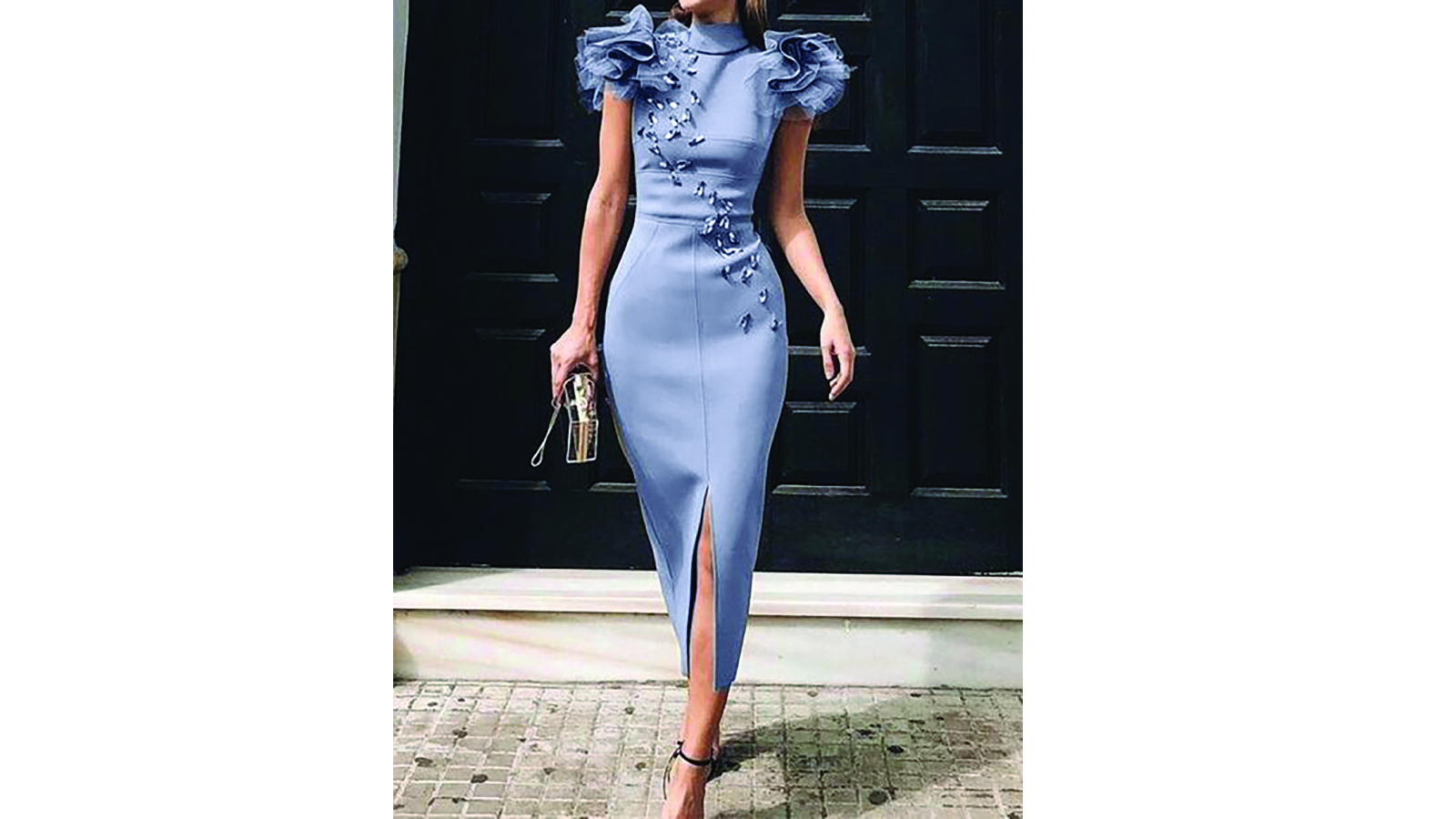
Coach Molly Chuma
Grooming Correspondent
Etiquette is more than a set of rules. It is the invisible thread that holds the fabric of society together.
It helps us express respect, kindness, and consideration for others in ways that transcend words.
Nowhere is etiquette more visible than at events, whether personal celebrations like weddings or formal gatherings such as State receptions.
These moments are milestones that reflect culture, values, and respect for tradition, and how we conduct ourselves can either uplift or disrupt the entire experience.
Weddings: Respecting love and tradition
A wedding is not only a celebration of two people but also a merging of families, cultures, and communities. This is why observing etiquette matters.
Arriving on time shows respect for the couple and the occasion. Dressing appropriately is another sign of courtesy.
Avoiding white or overly attention-seeking outfits (unless requested) ensures the spotlight remains on the bride and groom.
At the reception, table manners are essential. Knowing how to use cutlery, waiting for elders to be served first, and avoiding wasteful behaviour all reflect cultural respect.
In Zimbabwean culture, weddings often involve traditional rituals. Participating in these respectfully, even if one is unfamiliar, demonstrates openness and humility.
Corporate and gala events: Poise in professional spaces
Corporate galas and awards ceremonies require a balance of formality and warmth. Here, etiquette is less about tradition and more about professionalism.
Business attire or evening wear is often expected, and showing up polished communicates that you value the invitation.
Networking at these events also calls for tact. Introducing yourself clearly, offering a firm handshake, and engaging in meaningful conversation rather than dominating it are all marks of good etiquette.
Alcohol, if served, should be taken in moderation. The way you conduct yourself in such spaces can leave lasting impressions on potential partners, clients, or employers.
State receptions: Etiquette meets diplomacy
At the highest level of formality, such as state banquets or diplomatic receptions, etiquette is both cultural and political.
Seating arrangements are carefully considered, meals are often served in multiple courses and every detail is designed to reflect respect between nations.
Guests are expected to follow protocols such as standing when dignitaries arrive, addressing officials with proper titles, and refraining from controversial topics in conversation.
For Zimbabweans, where tradition meets modern diplomacy, respect for elders and leaders remains central. Even subtle gestures, like standing up when a senior enters, using both hands when receiving a gift, or greeting in the local language, reflect deep cultural respect and polish.
Why it matters
Some may dismiss etiquette as outdated, but in truth, it remains timeless because it is about human connection.
Whether at a wedding, a business gala, or a state reception, etiquette ensures that everyone feels honoured, respected, and valued.
It is not about rigid rules but about creating an atmosphere where relationships thrive.
As one elder once said: “Etiquette is not for you, it is for the comfort of those around you.”
When we practice it, we elevate not just ourselves but the entire event.
Coach Molly Chuma is the founder of the Luminary Institute of Leadership and Etiquette, a grooming and etiquette coach, beauty expert, and leadership mentor. She writes regularly in The Herald on grooming, confidence, and etiquette for modern professionals.