

 admin
admin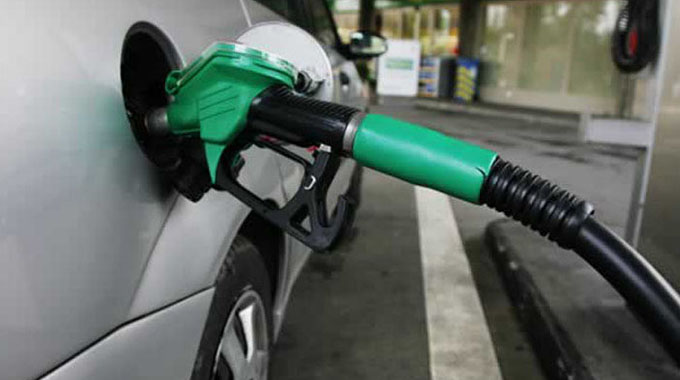
Business Writer
THE persistent exchange rate volatility facing the economy is creating arbitrage opportunities that make it difficult to restore efficient fuel supplies in the country, an official has said.
While the interbank rate remains fixed at US$1:$25 the parallel market rate was trading at an average of US$1:$67 as of yesterday.
This development has seen fuel importers and fuel stations allegedly taking the product to the black market where it is being sold at US$1,25 to US$1.50 per litre as compared to the normal service stations, which are selling at the Zimbabwe Energy Regulatory Authority (ZERA) regulated prices.
Analysts say this trend is contributing to fuel shortages being faced across the country, leaving the motoring public stranded.
Long winding queues have become a normal reality across cities and those service station trading in forex have not made things better. In some instances, some garages demand cash while others toss motorists to and from over mobile money and swipe payments.
There have also been accusations of bribes and chaos in some service stations, which are reportedly linked to supplying the black market.
Although the Zimbabwe Energy Regulatory Authority has increased pump price of diesel to $24,93 per litre and petrol to $28,96 per litre, at the weekend, demand has remained high. This is despite last month slashing of prices for both petrol and diesel.
In an interview National Oil Infrastructure Company of Zimbabwe (NOIC) chairperson, Engineer Daniel Mackenzie Ncube, said the exchange rate disparity between the interbank and black market was affecting fuel available on the market.
“Firstly, we are having issues regarding letters of credit, they are coming out in drips and drabs from the RBZ and hopefully they will increase allocations. If they do that maybe there will be more fuel on the market,” said Engineer McKenzie Ncube.
“But as you are aware there are other extraneous reasons why we are having these problems. The difference between the parallel market and interbank rate is bringing in a curved ball to the whole argument in that most of the retailers are actually moving the product into the black market and that makes queues longer and longer and totally unsustainable.”
Engineer McKenzie Ncube, however, said Government was working on addressing the fuel challenges and hoped measures being put on place would ease the challenges.
“It’s something that we are working on which all others are aware of. We have a meeting with some industry players so that we can solve these problems” he said.
Previously, Engineer McKenzie Ncube said fuel in Zimbabwe was very expensive but now he says on the basis of the interbank rate, it very cheap at an average US$0.40c per litre.
“That alone means arbitrage is actually quiet rife. So, these are the issues in the basket, which we are working on. As I have indicated before we are aware of the situation and we sympathise with the motorists and we are working on addressing the problem,” he said.
NOIC is a Government entity that transports petroleum products into the country.


 Online Reporter