Online Reporter
Amos Mpofu and Sikhulekelani Moyo, Zimpapers Reporters
ZIMBABWE has joined more than 170 countries in commemorating World Breastfeeding Week, which began on Saturday and runs until August 7, with health experts calling for stronger family, workplace and community support systems to enable mothers to breastfeed successfully and improve child survival and development.
This year’s global theme, “Breastfeeding for a Sustainable Start in Life: Strengthen What Works,” highlights the need to protect, promote and support breastfeeding as one of the most effective interventions for improving maternal and child health.
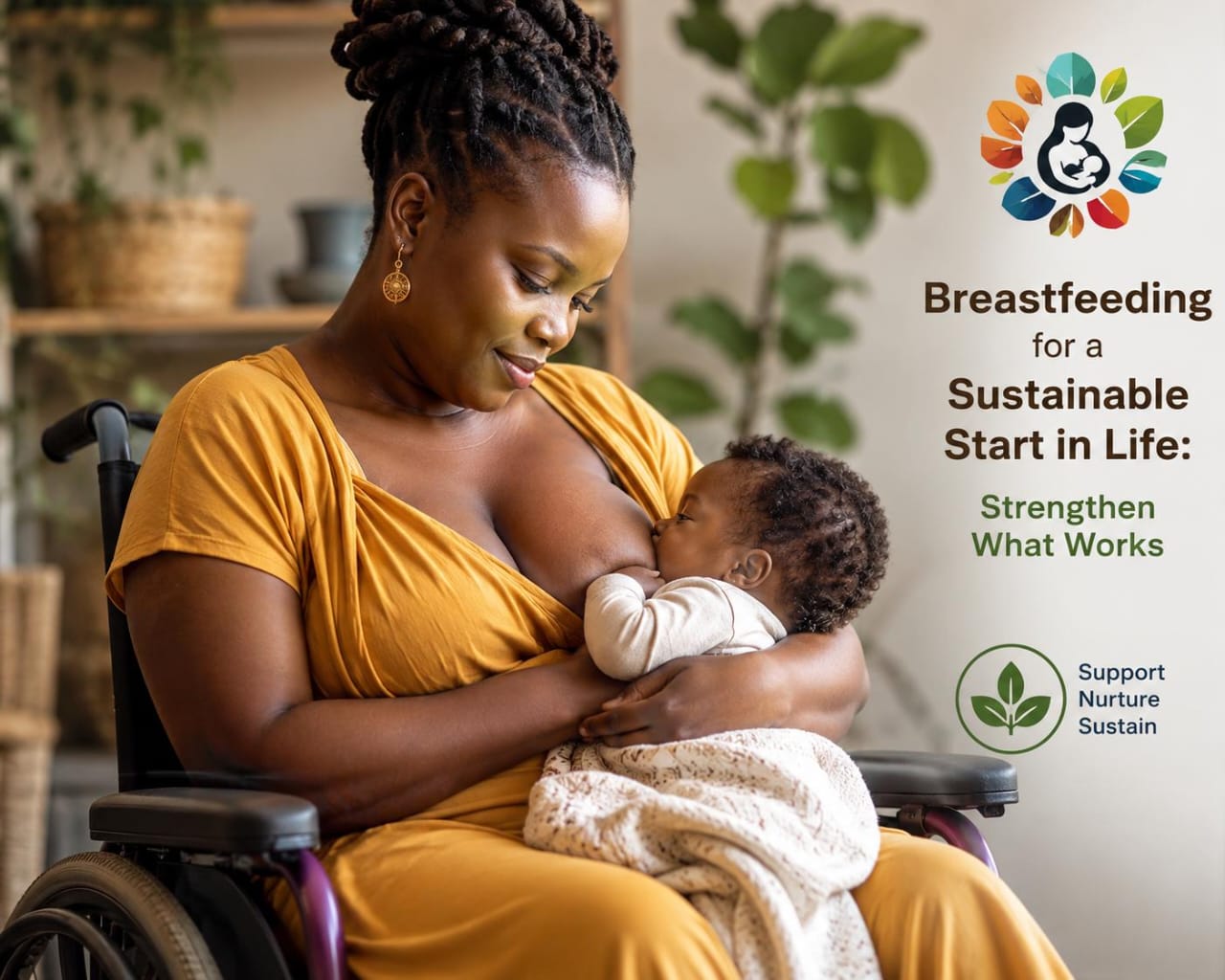
Observed annually from August 1 to 7, World Breastfeeding Week is led by the World Alliance for Breastfeeding Action (WABA) in collaboration with the World Health Organisation (WHO), UNICEF and other partners. The campaign seeks to raise awareness of the lifelong health benefits of breastfeeding while encouraging governments, employers, healthcare providers and communities to create environments that enable mothers to breastfeed.
President of the Paediatric Association of Zimbabwe, Dr Nyashadzashe Chasauka, said breastfeeding is one of the most powerful public health interventions available to reduce child mortality and promote healthy growth and development.
“Breastfeeding is the most important foundation in a child’s life, which is why Breastfeeding Week is an important week in our health calendar as it raises awareness on the importance of breastfeeding and advocates for support for breastfeeding mothers,” he said.
“Breastfeeding is a strong start for a healthy and sustainable future for the baby and a mother’s milk is the first best gift of life. Breast milk is nutritious and protects babies from diarrhoeal diseases, chest infections and ear infections.”
Dr Chasauka said breastfeeding not only improves a child’s chances of survival during infancy but also contributes to healthier growth, stronger immunity and better development throughout life.
According to the World Health Organisation, babies should be exclusively breastfed for the first six months, after which nutritious complementary foods should be introduced while breastfeeding continues until at least two years of age or beyond.
Exclusive breastfeeding means infants receive only breast milk, without water, other liquids or foods, except prescribed medicines or vitamin supplements where necessary.
Dr Chasauka also encouraged mothers living with HIV to breastfeed, saying modern treatment has significantly reduced the risk of mother-to-child transmission.
“All mothers can breastfeed, including mothers who are living with HIV. Mothers living with HIV need to adhere to their ARV treatment and babies given prophylactic medication during breastfeeding to prevent mother-to-child transmission,” he said.
Paediatrician and child health specialist Dr Wedu Ndebele said breastfeeding offers long-term health benefits that extend well beyond infancy.
He said breastfed children are less likely to suffer from allergies, asthma and certain skin conditions while studies have also linked breastfeeding to improved brain development and cognitive performance.
“I hope everyone will talk about breastfeeding this week and encourage whether it’s your sister, your mother or your wife to breastfeed for the first six months without giving anything. We also encourage them to breastfeed up to two years of age if there’s no contraindication because those babies will grow very well,” said Dr Ndebele.
Registered nutritionist Ms Katinka Musavaya urged mothers experiencing breastfeeding difficulties to seek professional support instead of abandoning breastfeeding prematurely.
“Nourishing your baby from your breast is a powerful way to give them a strong start in life. No medicine, food or supplement is so perfectly crafted to suit your individual baby in your unique environment, and it’s free too,” she said.
“Breastfeeding is natural, but it can also be exhausting and challenging. With the right support, you can overcome the hard days and feel confident in your breastfeeding journey.”
Ms Musavaya also expressed concern over increasing marketing of infant formula products, warning that aggressive advertising often undermines exclusive breastfeeding.
She called for stricter enforcement of the International Code of Marketing of Breast-milk Substitutes, which seeks to regulate the promotion of infant formula and protect breastfeeding.
“We urge strict enforcement of the International Code of Marketing of Breast-milk Substitutes, and caution families that formula marketing is designed to sell a product, not to reflect medical necessity,” she said.
Nutritionist Mrs Annie Msauki Busumani said frequent breastfeeding, both day and night, is essential for establishing and maintaining an adequate milk supply.
“Breastfeeding day and night, on demand and without restricting frequency, is one of the most effective ways to build and sustain a mother’s milk supply. In our work with mothers across Zimbabwe, we have seen this simple, evidence-based practice work again and again, especially in those critical early weeks when supply is being established,” she said.
She said adolescent and teenage mothers often face unique challenges, including fear of disclosing their pregnancies, pressure from families and the need to return to school, factors that sometimes lead to mixed feeding instead of seeking professional guidance.
Dietitian Ms Portia Chisvo said breastfeeding remains the gold standard for infant nutrition while also benefiting mothers.
“Breastfeeding gives babies the best nutrition and protection, and helps mothers recover too. Feed exclusively for the first six months, on demand with a good latch. Then continue with complementary foods up to two years and beyond. It’s nutrition, immunity and bonding all in one,” she said.
Zimbabwe has made significant progress in promoting exclusive breastfeeding through the Ministry of Health and Child Care, Baby-Friendly Hospital Initiative and community-based nutrition programmes. Health authorities continue to encourage early initiation of breastfeeding within the first hour after birth and exclusive breastfeeding for six months as part of efforts to reduce child mortality, malnutrition and stunting.