

 Online Reporter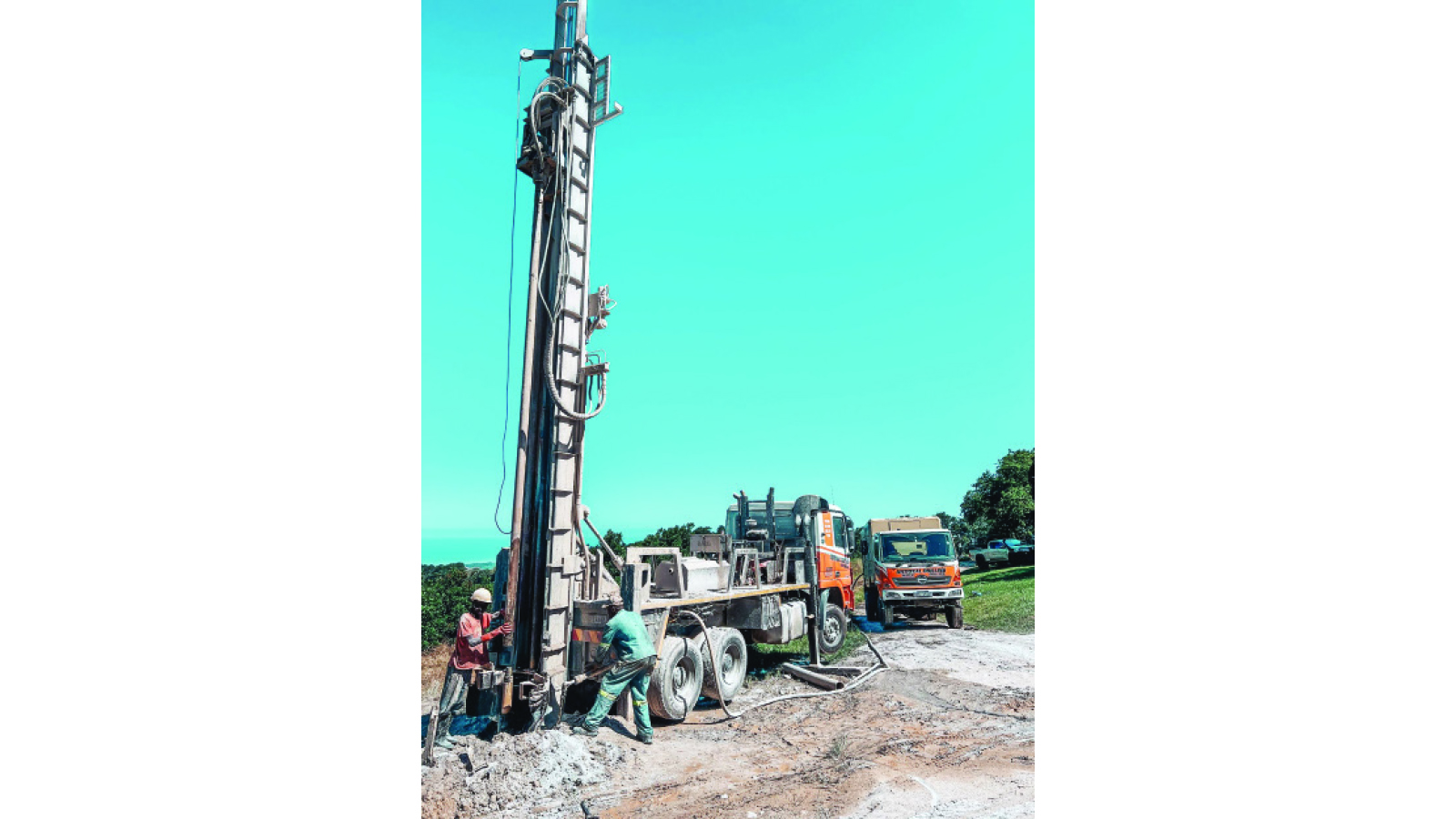
Precious Manomano-Herald Correspondent
DRILLING a borehole can provide a reliable source of water for domestic use, but it’s essential to follow legal procedures to ensure compliance with local regulations.
Here’s a comprehensive guide on how to legally drill a borehole.
Step 1: Obtain a Siting Report
Before you begin the drilling process, it’s crucial to identify potential water sources.
This is done by obtaining a siting report from a qualified borehole sitter.
They will assess the area and pinpoint where the water is most likely to be found.
Step 2: Apply for Drilling Authority
Once you have your citing report, the next step is to apply for the authority to drill. This involves preparing and submitting several important documents to the Subcatchment Council:
Citing Report: This document verifies where water can be expected.
Proof of Residence: This shows that you are a resident of the area where you intend to drill.
Application Fee: A fee of US$50 is required for processing your application.
Submitting these documents correctly is vital to move forward in the process.
Step 3: Drill Your Borehole
After receiving the necessary permissions from the Subcatchment Council, you can proceed with drilling your borehole.
Hiring a reputable drilling company is advisable to ensure that the drilling is done professionally and safely.
Step 4: Registration After Drilling
Once the drilling is successfully completed, you must register the borehole. For this, you’ll need to gather additional documents:
Proof of Residence: Again, you will need to provide this.
Borehole Completion Report: This report details the drilling process and confirms its success.
Water Quality Results: Testing the water quality is essential to ensure it is safe for domestic use.
Registration Fees: Pay the required registration fees.
Submit these documents to complete the registration process.
Step 5: Pay Quarterly Levies
After your borehole is registered, it’s important to stay compliant by paying the required quarterly levies (US$10 for domestic and US$160 for commercial). This ensures that you maintain your rights to use the water source.
Step 6: Receive Borehole Permit
Upon successful registration and payment of all fees, you will receive your borehole permit. This process typically takes up to 90 working days, so it’s important to be patient and follow up if necessary.
Step 7: Maintain Account Status
To avoid any legal issues in the future, ensure that your account remains up to date. Timely payment of fees and keeping all documents in order will help you maintain compliance with local regulations.



 Bongani Ndlovu
This is absolute RUBBISH! Water doesn’t belong to anybody. It’s a God given blessing not meant for profit making by anybody. Other issues like prospecting and drilling services can be paid for but one cannot pay for the water. If I drill a borehole the water belong to me and everyone who needs it. Why must government demand fees for that?