admin
admin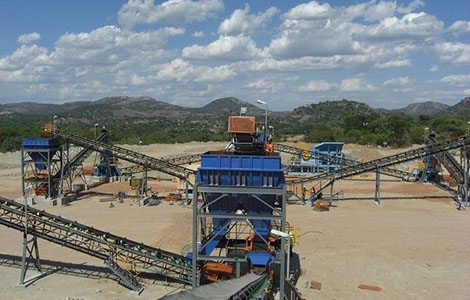
 Opinion Garikai Chengu
Zimbabwe is the richest nation on earth with respect to untapped natural resources per person.
Zimbabwe has the world’s largest diamond reserves, second largest platinum reserves and over 40 exploitable minerals. Mineral exploration of these resources has the potential to turn Zimbabwe into the jewel of Africa.
Mineral exploration is the process by which companies or organisations seek to discover commercially feasible concentrations of mineral resources. Exploration can be as simple as analysing rock types and soil characteristics or as complex as various forms of drilling and excavation.
Mineral exploration can uncover information that will attract foreign investment and also strengthen the value of mines and claims already in indigenous hands. This exploration can set the necessary preconditions for a boom in Zimbabwe’s mining industry.
As Zimbabwe slowly depletes its major existing mines, discovery of new mines becomes increasingly important to meet ever growing global demand for natural resources.
For a local community or a nation, successful mineral exploration and development can lead to numerous opportunities. Some of these opportunities include new well paying jobs; new infrastructure, such as roads and electric power supplies, which are catalysts for broader, regional economic development; and increased government revenues that, in turn, can be invested in social priorities such as health care, education and poverty alleviation.
Exploration is not only important on a national level, but also is crucial for Zimbabwe’s international economic and geopolitical strength. Put simply, knowing the value of what lies beneath the nation’s feet increases the nation’s worth; increasing its worth subsequently increases its wealth and power.
The impending creation of a State Exploration Company is an appreciation of this realpolitik and is certainly a step in the right direction.
Internationally, mining companies are finding it increasingly difficult to extract precious metals from the earth. The discoveries of large, multi-million ounce deposits are also decreasing, and foreign miners must look to regions that tend to be geographically challenging and geopolitically hostile.
Given these factors that are pushing foreign investors from their homelands and given the buoyant prevailing mineral prices that are inducing these investors to increase spending on mining, Zimbabwe should ensure that it rolls out the red carpet and creates a conducive investment climate for this potential capital.
However, Zimbabwe’s sluggishness on the exploration front does not allow it to play a particularly welcoming host to this capital. In fact, the nation has not carried out comprehensive exploration to determine the extent of its mineral wealth over the past three decades. Most mining companies and nations invest 10 percent of their mining budgets into exploration, whereas in Zimbabwe that figure is a dismal one percent.
Zimbabwe is set to increase its mining output by a staggering 30 percent in 2014; consequently, it will need to explore the equivalent of its mineral output just to keep reserves even and a one percent exploration rate simply will not cut it.
Zimbabwe has the potential to become the world’s top diamond producer should its gems be sold freely on an open market. Experts say that as it stands Zimbabwe’s gems are being sold at below 25 percent of the normal price due to sanctions imposed by the United States and the European Union.
For Zimbabweans to fully benefit from their gems, they must know the value, nature, extent and location of diamonds across the country. Accordingly, the recently mulled Zimbabwe Exploration Corporation Bill must be enacted. The Zimbabwe Exploration Corporation’s mandate will be to undertake exploration work on all mineral deposits. The company is expected to provide detailed reports on the types of mineral and quantum of each mineral found in Zimbabwe.
Extensive mineral exploration would provide the State with sound information to attract and incentivise, both local and foreign investors primarily because the State would have details on the mineral type, geological nature, quantum and life span of discovered mineral ore bodies. This comprehensive information is of utmost importance because Zimbabwe could use its resources to secure offshore credit lines or sell outright to investors.
An Exploration Fund must also be established and can be capitalised by large foreign mining companies as an empowerment credit, permitting companies not to cede a portion of the 51 percent local shareholding requirement. The Exploration Fund would explore the millions of hectares held by small and medium scale miners in order to boost the value of the claims and in turn increase small miners’ wealth.
Exploration is the key to attracting the estimated $5 billion within the next five years in foreign investment required to restore Zimbabwe’s mining industry to its former glory.
All Zimbabweans are privileged to have been born into the country with the greatest riches on earth. The International Monetary Fund’s Natural Resources Per Capita index attests to this fact. Therefore, it is up to each and every Zimbabwean to insist that their government and mining sector unlock the unrivalled wealth beneath their feet, for the benefit of all, by conducting levels of exploration that are befitting of such a resource rich nation.
Garikai Chengu can be contacted at [email protected].


 Online Reporter