Chronicle Editor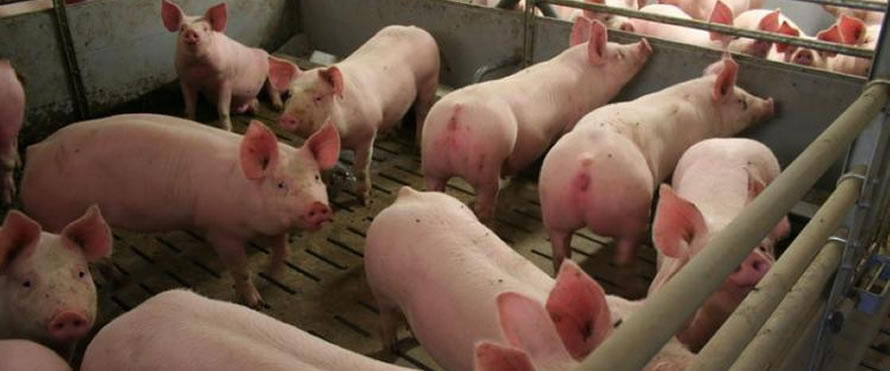
PIG production is a very significant enterprise among many smallholder communal farmers although the husbandry component still needs a lot of improvement so that the quality of pork produced meets the market expectations.
Important in pig production among other factors, is the number of piglets born by each female pig and raised to maturity.
The number of piglets born is called litter size while the process of giving birth in pigs is called farrowing.
A mature female pig is called a sow while a male one is called a boar. The most common measure of productivity for the sow herd is pigs weaned/sow/year. The number of litters farrowed/sow/year and number of pigs weaned/litter contribute to the productivity of the sow herd.
Many factors affect the litter size in a pig production enterprise and these are discussed below. The first factor is parity and this refers to the number of times a sow has farrowed. The litter size is usually the smallest during the first litter and rises to a maximum between fourth and fifth litter.
It remains constant from there and only begins to decline with older parities. Another factor is genetics and there is an established relationship between genetics and litter size. Some pigs of particular breeds tend to have higher litter size although the heritability of this trait is low. Therefore, when establishing a sow unit, you need to have history of the general litter sizes of the type of breed you are buying. Anything from ten to fourteen is good litter size.
Nutrition is also important in contributing to litter size, with studies showing that feeding gilts (young female pigs) a good quality diet ad libitum for at least ten days prior to breeding will maximise ovulation rate and subsequently litter size.
However, overfeeding the same gilts during the first three days after breeding may reduce embryo survival and affect the litter size. Another contributory factor to the litter size is the boar itself. A prolific boar will produce more litter size in sows.
Usage of boars will also depend on age. Mature boars can be used up to six services per week.
High temperatures will reduce boar fertility and subsequent litter size. A boar as a sire contributes to litter size both directly and indirectly.
The direct contribution is through the quantity and quality of semen produced by the boar. This has a bearing on the fertilisation and subsequent litter farrowed by the sow.
The boar also transmits its fertility traits to its offspring and the gilts produced may have higher litter outputs as genetic trait transmitted from the boar. Reproductive diseases can also affect litter sizes. One such disease is parvovirus which has been known to cause embryo or foetal death and affect litter size.
General management is also another important contributor to litter size. Good husbandry practices will usually result in good litter sizes being produced but if your pigs are subjected to poor management, chances of small litters are high. Again, as a management practice, it is important to maintain a smaller number of groups of gilts or sows to be serviced as there tends to be a reduction in litter size as the group gets larger.
Weight of gilts at first mating strongly influences the first litter size and the follow on litters. Lastly, lactation length is another important factor in litter size. Lactation length influences litter size of the subsequent parity.
Shorter lactation is associated with smaller litter size at the subsequent farrowing. Lactation lengths shorter than 21 days influences incomplete involution of the uterine endometrium and higher embryo mortality, which leads to smaller litter sizes.
It goes without emphasis that productivity of any pig production enterprise hinges on the number of piglets produced, which is the litter size and the number of piglets raised to maturity, which is a function of management. The higher the litter size and the number of piglets weaned and raised to maturity the more productive and profitable is that enterprise.
Uyabonga umntaka MaKhumalo. Mhlupheki Dube is a livestock specialist and farmer. He writes in his own capacity. Feedback [email protected]/ cell 0772851275


 Online Reporter